

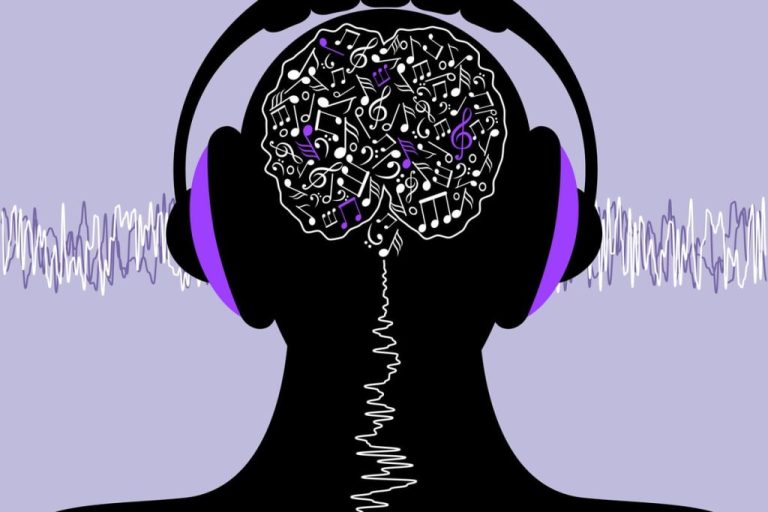
Healing Through Sound: Music Therapy for Addiction Recovery
10 April, 2026Recovery from addiction is complex and it’s a deeply personal journey for every individual. It often requires a combination of medical treatment, psychological support and lifestyle changes.
In more recent years, rehabilitation centres, who specialise in alcohol or a medical detox, have started to integrate newer forms of therapy, including music therapy, which has emerged as a powerful complementary approach to traditional addiction treatments.
It engages both body and mind and has helped process emotions, reduce stress and build healthier coping mechanisms.
What Is Music Therapy?
Music therapy is a structured, evidence-based practice led by trained professionals. It involves the use of music, whether listening, playing instruments, singing, or composing, to achieve therapeutic goals. Unlike casual music listening, music therapy is tailored to the individual’s needs and is often integrated into broader treatment programmes.
For individuals in addiction recovery, this approach can provide a safe space to explore feelings that may be difficult to articulate. Music becomes a tool for expression, allowing participants to communicate experiences that words alone may not capture.
Emotional Expression and Release
One of the most significant benefits of music therapy is its ability to facilitate emotional expression. Many people struggling with addiction have underlying emotional pain, trauma, or unresolved issues that contribute to substance use.
Through music, individuals can access and release these emotions in a controlled and supportive environment. Writing lyrics, improvising on an instrument, or even selecting songs that resonate can help bring hidden feelings to the surface. This process can be both cathartic and empowering, enabling individuals to confront and understand their emotional landscape.
Reducing Stress and Anxiety
Stress and anxiety are common triggers for relapse, making their management a crucial part of recovery. Music therapy has been shown to promote relaxation and reduce physiological stress responses.
Listening to calming music can slow heart rate and breathing, while active participation, such as drumming or singing, can provide an outlet for tension. These experiences help regulate the nervous system, making it easier for individuals to cope with challenging situations without turning to substances.
Over time, participants can learn to use music independently as a tool for managing stress in their daily lives.
Strengthening Cognitive Function
Addiction can impact cognitive abilities, including memory, attention, and decision-making. Engaging with music stimulates multiple areas of the brain, supporting cognitive recovery.
Activities such as learning rhythms, remembering lyrics, or coordinating movements while playing an instrument require focus and mental engagement. These exercises can help improve concentration and enhance overall brain function.
Additionally, the structured nature of music therapy sessions can support goal-setting and problem-solving skills, both of which are important for maintaining long-term recovery.
Building Connection and Community
Isolation is a common challenge in addiction, and rebuilding social connections is essential for sustained recovery. Music therapy often takes place in group settings, providing opportunities for shared experiences and collaboration.
Group activities, such as ensemble playing or songwriting, encourage teamwork and mutual support. Participants may find comfort in knowing that others share similar struggles, fostering a sense of belonging.
These connections can extend beyond therapy sessions, helping individuals to build supportive networks that reinforce their recovery journey.
Rediscovering Identity and Joy
Addiction can overshadow a person’s sense of self, making it difficult to reconnect with personal interests and passions. Music therapy offers a way to rediscover joy and creativity.
Engaging with music can reignite a sense of curiosity and playfulness, reminding individuals of who they are beyond their addiction. Whether it is revisiting a favourite genre or discovering a new talent, these experiences can contribute to a more positive self-image.
Importantly, music provides a source of pleasure that is healthy and sustainable, helping to replace the role substances once played.
Supporting Long-Term Recovery
Music therapy is not a quick fix, but it can be a valuable long-term resource. The skills and coping strategies developed through therapy, such as emotional regulation, stress management, and creative expression, can continue to support individuals well beyond formal treatment.
Many people incorporate music into their daily routines, using it to maintain balance and resilience. Whether through listening, playing, or attending live performances, music can remain a constant source of support.
Follow Sounds and Colours: Facebook / Twitter / Instagram / Mixcloud / Soundcloud / Bandcamp
Subscribe to the Sounds and Colours Newsletter for regular updates, news and competitions bringing the best of Latin American culture direct to your Inbox.