

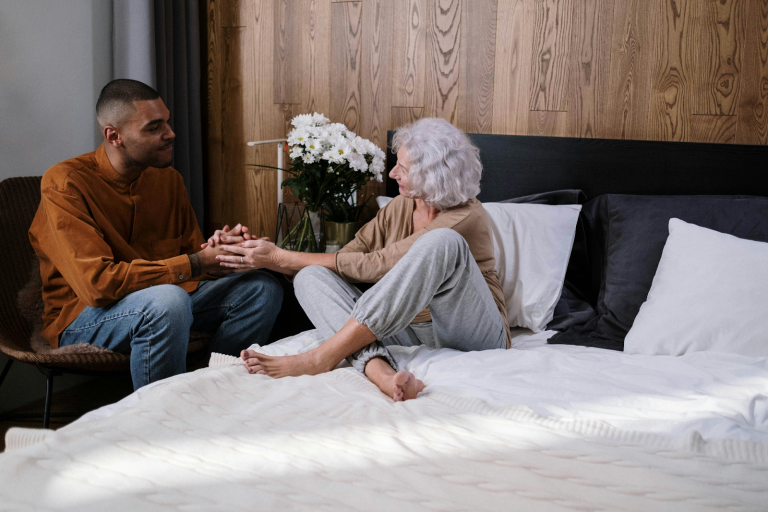
How Caregiving Reflects Cultural Values in Latin American Societies
10 March, 2026Caregiving is not just a healthcare job in many parts of the world. In Latin American and Caribbean countries, people connect caregiving to their culture, time, and ways of life. It often shows strong feelings of kindness, respect, and close family bonds. When you talk about the reasons to become a cna, it’s good to know about these cultural views. It helps you see why taking care of others is seen as so important in these places.
Across Latin America, the way people care for others is often shaped by social values. These values put family first, ask people to help each other, and call for respect for those who are older. Instead of only using care centers or hospitals, many families look after older people and those with health problems at home. Families and professional caregivers often work together to keep these ways going. They also give important health support at the same time.
1. The Importance of Family in Latin American Caregiving
Family is at the center of care in many Latin American homes. People in these places value something called familismo. This idea is about staying loyal to each other, taking care of your family, and giving emotional help when they need it.
People often share caregiving jobs at home because of this cultural belief.
Common family caregiving practices include:
- Helping older family members with things they do every day
- Making food and helping with eating well
- Driving them to see the doctor
- Reminding them to take their medicine
- Giving a company and talking with them
In many homes, people of different ages live with each other under one roof. This way, families get to help each other all the time and stay close emotionally. A professional caregiver can also help by giving needed care and support to the family.
2. Respect for Elders as a Cultural Tradition
Many people in Latin America and the Caribbean think respect for elders is very important. Older people are looked at as ones who have a lot of knowledge and give good advice. They help others in the family by sharing stories from the past and guiding them.
This view changes how people take care of others in many key ways.
Elders are valued because they:
- Keep family traditions and cultural stories
- Give wisdom and life experience
- Keep strong emotional connections with younger people
- Be cultural role models in communities
Caregiving in these cases is not just about giving help with daily tasks. It is also about keeping people’s dignity and making sure they feel good inside. Caregivers work to keep older people talking with others and spending time with family so they do not feel alone. This helps them stay part of their community.
3. Community Support and Collective Responsibility
Another important part of caregiving in Latin American places is the help people get from others around them. In many areas, people feel that looking after those who need help is something everyone should do.
People in a community often help families in many ways.
Examples of community caregiving support include:
- Bringing meals to homes where people have health problems
- Helping older neighbors run errands or shop
- Taking people to their medical appointments
- Spending time with people who live alone
- Helping families when someone is sick or getting better
This way of doing things together makes community ties stronger. It also helps cut down the stress and workload that one caregiver might feel.
4. The Role of Professional Caregivers in Latin American Communities
Families and people in the community give a lot of care. But as people get older and their health needs change, professional healthcare workers become even more important.
Professional caregivers often provide:
- Help with taking care of yourself – help with bathing, dressing, and staying clean
- Help with moving – help people move safely and try to stop them from falling
- Medication reminders – make sure people follow what the doctor has planned
- Watch health signs – keep an eye on how someone is feeling and tell if things change
- Help with feelings – help people feel less alone and feel better
In many homes, professional caregivers work with family members. Together, they make sure that people get steady and kind care.
5. Cultural Sensitivity in Caregiving
Cultural understanding is key to good caregiving in Latin American communities. People feel better when caregivers know and respect their customs and family values.
Culturally sensitive caregiving may involve:
- Respecting the foods that people have always liked to eat and the way they eat
- Knowing about the things people do for their faith and the times they celebrate
- Letting families help decide what kind of care people get
- Helping people follow the things their culture likes to do, and letting them meet with others
- Talking with care and waiting patiently
When caregivers see these cultural factors, they can make better bonds with their patients and the families. This helps everyone feel more at ease and builds trust.
6. Why Cultural Values Influence Caregiving Careers
Many people choose caregiving jobs because they want to help others. They also want to make a real difference in people’s lives. In places where family and kindness are important, caregiving jobs matter even more.
People who work in healthcare support jobs often feel good that they get to:
- Help people keep their dignity and feel independent
- Give comfort when someone is sick or getting better
- Support families going through hard times with care
- Make real connections with patients
- Help make the community a better place
These reasons show some of the deeper reasons to become a cna. This is true for people who care about kindness and helping others. Many people also want to feel close to other people.
Conclusion
Caregiving in Latin American and Caribbean countries is strongly tied to culture. People care a lot about family being together. There is also much respect for older people. These places show how people work as a group to help each other. These values affect the way families look after old family members or people who have health problems.
Professional caregivers have an important job. They work with families and communities to make sure people get care that is kind and respectful. When you understand these cultural views, you can see the good reasons to become a cna. This job lets caregivers help with healthcare needs and also support the strong values of caring and duty that many people have.
FAQ: Caregiving and Cultural Values in Latin America
1. Why is caregiving important in Latin American culture?
Caregiving is important in many families. People want to stay together, and they feel it is good to show respect to their elders. A family may feel it is their job to help when someone gets older, gets sick, or is getting better after an illness.
2. How do families participate in caregiving in Latin America?
Families often help each other with things like making meals, driving to doctor visits, reminding each other to take medicine, and giving support.
3. What role do communities play in caregiving?
Many communities give families help in different ways. They bring meals, offer to spend time with people, and help drive others to places. They also do things to make life simpler for those who need help.
4. How do professional caregivers support families?
Caregivers help with daily care needs. They watch over health, help people move around, and support them emotionally. They also work together with family members.
5. Why do some people choose caregiving careers?
Many people choose to be caregivers because they want to help others. They want to support families and make life better for people.
Follow Sounds and Colours: Facebook / Twitter / Instagram / Mixcloud / Soundcloud / Bandcamp
Subscribe to the Sounds and Colours Newsletter for regular updates, news and competitions bringing the best of Latin American culture direct to your Inbox.