

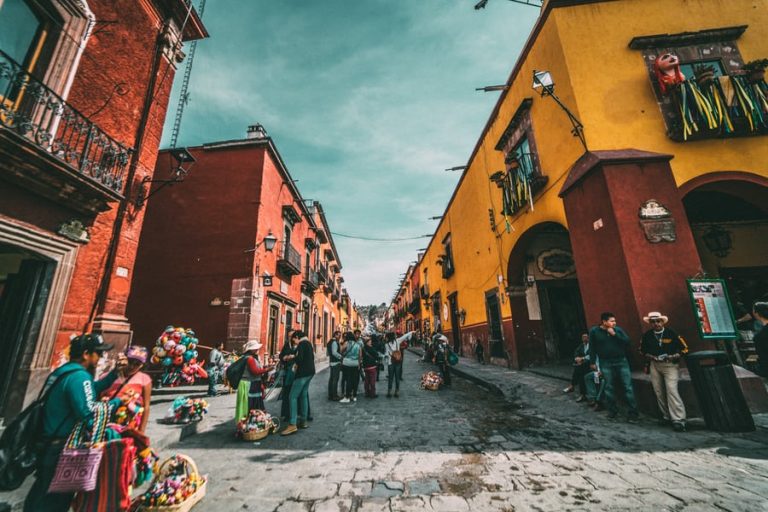
Mapping the Underground Scene in Mexico City’s Amapiano Parties
25 March, 2026Mexico City never sleeps for long. Music moves through the capital in waves, each era shaped by new sounds from distant regions. During recent years another rhythm has found a home in the city after a long journey from southern Africa. That rhythm carries the name amapiano.
Amapiano rose in South African townships during the early 2010s. Producers blended piano chords, deep bass lines, and relaxed drum patterns. The tempo sits slower than traditional house music. The groove feels warm and hypnotic and listeners often remain on the dance floor for hours without fatigue.
Mexico City adopted this sound quietly at first. A few DJs placed amapiano tracks inside late night sets. Curious crowds reacted with interest. Small events followed. Within a few seasons a tight underground network appeared across clubs, warehouses, rooftops, and art spaces.
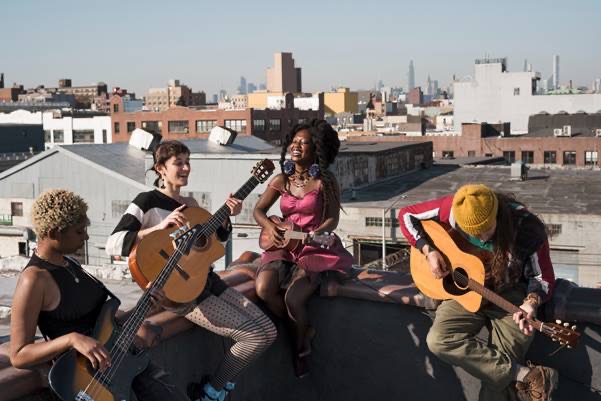
The Arrival of Amapiano in the Mexican Capital
A Global Sound Reaches Latin America
Amapiano began around Pretoria and Johannesburg in South Africa. Early producers experimented with jazz piano tones and slow house rhythms. Artists Kabza De Small and DJ Maphorisa pushed the genre toward global recognition.
Streaming services accelerated that expansion. More than 100 percent rise in global amapiano listening between 2022 and 2023. Latin American listeners formed one of the fastest rising audiences during that period.
Mexico entered the picture soon afterward. DJs in Mexico City began to test amapiano tracks during house and Afrobeat sessions. Crowds responded with curiosity. The rhythm felt different from techno or reggaeton yet still carried a strong dance pulse.
Early Promoters and Community Builders
A small circle of music lovers helped push the type further into the nightlife circuit. Independent collectives organized experimental dance nights inside small venues. Flyers spread across social media channels and private message groups. Attendance numbers grew month after month. By late 2023 several promoters held recurring amapiano events that attracted crowds between 200 and 500 guests. The movement began to form a recognizable identity inside the wider electronic scene of Mexico City.
Neighborhoods Where Amapiano Nights Thrive
Roma Norte
Roma Norte stands among the most active nightlife districts in the capital. Restaurants, cocktail bars, and friendly clubs line the streets. Renovated houses often transform into temporary dance venues.
Amapiano nights appear frequently within these spaces. The environment feels informal yet energetic. Crowds gather close to the DJ booth and respond to each shift in rhythm.
The district also attracts international visitors who follow underground music culture. That global audience strengthens the connection between Mexico City and electronic scenes abroad.
Juarez District
Juarez district hosts another pocket of amapiano activity. Several hidden venues operate inside former warehouses or art studios. Entry normally requires confirmation through social media lists.
Dance floors fill after midnight. Music flows until sunrise. The slower tempo of amapiano allows long sessions without exhaustion. Guests move in relaxed patterns while bass vibrations travel through the room.
Condesa
Condesa presents a slightly different atmosphere. Rooftop bars and boutique clubs dominate the neighborhood. Stylish crowds gather here to explore international music trends.
DJs often mix amapiano with Afro house or deep house selections. This blend creates a smooth transition between genres while still preserving the signature piano rhythm.
Amapiano Artists Every Listener Should Know
Kabza De Small
Kabza De Small stands among the most respected figures in amapiano culture. Born in South Africa, he helped push the genre into international electronic music circles. His production style blends deep bass tones with smooth piano melodies. Many DJs refer to him as the “King of Amapiano.”
DJ Maphorisa
DJ Maphorisa gained recognition long before amapiano became globally popular. His work as a producer and collaborator across multiple genres helped introduce the sound to international audiences. His amapiano projects often combine vocal performances with energetic rhythms.
Focalistic
Focalistic represents a younger generation within the scene. His tracks combine amapiano grooves with rap vocals and strong stage presence. Songs from this artist frequently appear in club playlists because they bring vocal excitement to the dance floor.
Major League DJz
Major League DJs are twin brothers from South Africa who helped promote amapiano around the world. Their international DJ tours introduced the genre to audiences across Europe, Asia, and the Americas. Many DJs in Mexico City credit them for expanding the global reach of the style.
Sha Sha
Sha Sha offers a softer vocal approach within amapiano music. Her songs blend emotional lyrics with the genre’s signature piano rhythm. She won the Best New International Act award at the BET Awards in 2020, a moment that brought significant attention to the genre.
Musical Structure That Defines Amapiano Nights
Rhythm and Tempo
Amapiano relies on a tempo near 110 to 115 beats per minute. That speed sits slower than techno yet maintains strong dance energy. The rhythm structure usually begins with a deep bass foundation.
Above that bass layer producers add airy piano chords. Percussion remains minimal yet precise. Small drum accents guide the rhythm without overwhelming the groove. The result creates a hypnotic atmosphere inside clubs. Dancers follow the rhythm almost subconsciously.
Dance Culture on the Floor
Movement within amapiano spaces tends to appear relaxed and expressive. Many dancers adopt subtle footwork inspired by South African street dance styles.
Unlike aggressive club environments the energy here feels communal. Guests interact with each other rather than simply face the stage. The DJ becomes part of the crowd rather than a distant performer.
Event Design and Night Flow
Lighting and Visual Atmosphere
Promoters treat lighting as an essential part of the experience. Warm tones dominate the dance floor. Amber and violet lights reflect across walls and ceilings.
Visual projections sometimes display abstract patterns inspired by African art traditions. These details honor the cultural origin of the genre while blending naturally with the urban setting of Mexico City nightlife.
DJ Set Structure
Amapiano parties in Mexico City have a unique way of building excitement throughout the night. The DJ opens the night with deep house tracks. The crowd takes time to settle in, talk with friends, and grab a drink or two. As the night goes on, the piano melodies stand out more, the bass sounds heavier, and the crowd begins to feel the rhythm more strongly. By midnight, the dance floor is full, and everyone moves together with the music.
That sense of amapiano music has also begun to appear online. Platforms and digital games that rely on music often borrow visual elements from nightlife culture such as stage lighting, animated sound systems and even rhythmic sound cues that echo the feeling of a Mexico City club set. Players interact with music-themed slots on www.kwikkyslots.com with rhythmic audio effects and experience a night that feels social, and fully immersive, even from home.
While the experience obviously differs from standing in a packed dance floor in Roma Norte or Juárez, the design still reflects a similar idea. Sound, color, and pacing work together to keep attention focused, much like a DJ set that gradually builds tension before releasing it through a heavy bass drop.
DJs Who Shape the Scene
Local Selectors
Mexico City hosts a rising group of DJs who dedicate their work to amapiano discovery. These artists search through global music catalogs in order to locate rare tracks from South African producers.
Their reputation often depends on music selection. Audiences attend events with the expectation of hearing fresh sounds not yet present on mainstream playlists.
International Guests
Occasional visits from international DJs bring new attention to the scene. Promoters sometimes invite performers from Europe or South Africa who specialize in amapiano sets.
One large warehouse event during 2024 welcomed a guest DJ from Johannesburg. Organizers reported attendance near 900 people that night. The number revealed how far the genre had traveled within a short period.
Audience Culture and Social Energy
A Diverse Crowd
The amapiano audience in Mexico City includes students, designers, artists, and travelers. Most guests fall between 21 and 35 years of age.
Language barriers rarely appear. Conversations shift between Spanish and English throughout the night. The environment feels welcoming rather than exclusive.
Fashion and Style Expression
Clothing also contributes to the identity of these events. Streetwear brands mix with vintage jackets and African inspired prints.
Photographers often document the nights for independent magazines or nightlife blogs. Those images help spread awareness of upcoming gatherings across digital channels.
Economics Behind the Underground Scene
Ticket Prices and Venue Capacity
Entry prices usually fall between 200 and 400 Mexican pesos. This amount equals roughly 12 to 24 United States dollars depending on currency exchange.
Smaller venues hold around 150 to 300 guests. Warehouse events can host close to 800 participants. These numbers allow organizers to cover costs related to sound systems, lighting equipment, security teams, and artist fees.
Music Tourism Impact
Mexico City attracts millions of tourists each year. A share of those visitors search for nightlife experiences beyond mainstream clubs.
Independent music events therefore contribute to the urban economy through transport services, hospitality spending, and local food vendors. Cultural tourism studies estimate that nightlife activities generate millions of dollars for the city each year.
Digital Promotion Networks
Social Media Promotion
Promotion rarely relies on traditional advertising. Organizers instead depend on Instagram pages, Telegram channels, and invitation lists. Event flyers often appear only days before the party date. This limited visibility preserves exclusivity and prevents overcrowding.
Streaming Influence
Streaming platforms also play a strong role in music discovery. Amapiano playlists receive millions of monthly streams across Latin America.
Listeners who discover the genre online often search for live experiences afterward. Clubs benefit directly from this digital exposure.
Future of Amapiano in Mexico City
Major music festivals across Mexico have begun to include amapiano artists within their lineups. This step may introduce the genre to larger audiences.
Despite festival exposure many fans believe the genre will remain strongest within intimate venues. Small dance floors preserve the sense of community that defines amapiano culture.
Mexico City continues to evolve as one of the most diverse music capitals in Latin America. The amapiano movement illustrates how global sounds travel across borders and find new life inside urban communities.
Follow Sounds and Colours: Facebook / Twitter / Instagram / Mixcloud / Soundcloud / Bandcamp
Subscribe to the Sounds and Colours Newsletter for regular updates, news and competitions bringing the best of Latin American culture direct to your Inbox.