

Carnival Across the Caribbean: How Festivals Keep History and Community Alive
27 November, 2025In Trinidad’s lively alleys, across Barbados’ golden beaches, or amid the bright villages of the Bahamas, Carnival isn’t just a show—it’s history breathing through people, rhythm, and shared pride. Much like how players get pulled into Tongits War APK with its quick, gripping gameplay, these events explode with sound, motion, and flair—each one a pulse-pounding tribute to roots and joy. Born from old struggles and traditions, they shift with time, staying fresh while holding tight to meaning. Each parade, each beat, gives you a real feel for what makes Caribbean life so layered and alive.
A Celebration Steeped in History
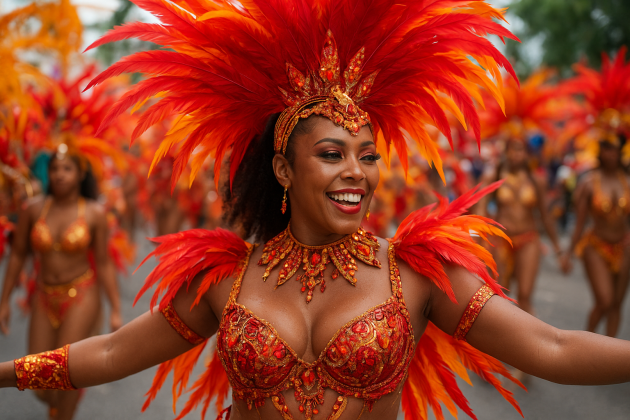
Carnivals across the Caribbean stem from African customs mixed with European influences—rituals, beats, and drama all thrown together. The big one in Trinidad, seen by many as the top event around here, started back when colonizers ruled; folks who were enslaved or recently freed used it to show who they really were. Wearing masks, moving to rhythms, singing loud—they poked at power structures while rejoicing in liberty, something this world once refused them.
Just like that, Junkanoo in the Bahamas started with West African people forced into slavery—they got days off from those holding them, then made music and wore bold outfits to honor where they came from, also strengthening ties among each other. Meanwhile, Crop Over in Barbados began when sugarcane cutting ended; over time it turned lively, showing how farming shaped life on the island, along with strength through hardship, unity, and creative expression.
Music, Dance, and Costume: The Heartbeat of Carnival
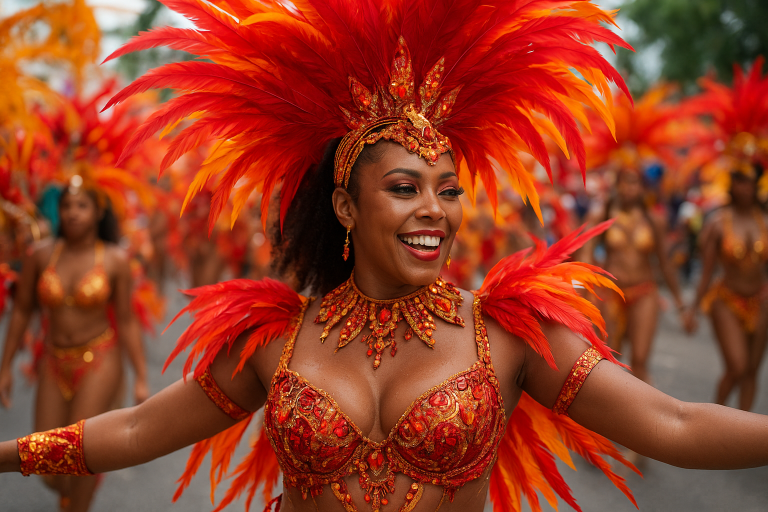
The vibe at Caribbean carnivals hits you right away. From Trinidad’s steelpan bands to Bajan soca beats, tunes drive every moment. Movement, usually made up on the spot and full of feeling, lets people live out legends, memories, or passion; meanwhile, bright outfits dazzle eyes with scenes from old myths, cultural tales, or today’s issues.
Every carnival feels different. In Trinidad, roads fill up with energy during calypso battles and flashy mas processions; meanwhile, in the Bahamas, Junkanoo shows off bold headpieces, detailed paper outfits, and tightly rehearsed moves set to fast goatskin drum rhythms. Over in Barbados, Crop Over mixes deep-rooted African-style music and movement together with today’s island hits like soca, making it old-school yet fresh at once.
Community and Identity
Beyond the beats and flashy parades, Caribbean carnivals show what communities truly value. Festivals let neighborhoods, mass crews, or small artistic circles work together—sharing gifts while reinforcing who they are. To lots of people joining, it’s deeply personal; families stay involved for years, handing down outfits, customs, and also know-how across generations.
Carnivals bring folks together in a big way. The roads turn into lively spots where everyone joins the fun, no matter who they are or how much money they make. Instead of staying apart, neighbors mix and share joy during these events. People show love for their roots while building ties that hold neighborhoods tighter.
Modern Twists and Cultural Resilience
Though tied to old customs, Caribbean carnivals keep changing. As time moves on, they shift and adapt without losing their soul. Instead of staying stuck, they pull in new ideas from today’s world. Creators now use bold statements about politics or nature in outfits and acts. Fresh topics mix with classic rhythms to shape each show.
Online platforms alongside travel trends have boosted Caribbean carnival exposure, linking far-flung cultural groups while giving youth fresh paths to join in—mixing roots with modern flair. Still, deep inside each event lies a steady focus: honoring selfhood, the past, and shared bonds.
Carnival and Tourism
Caribbean carnivals pull crowds from everywhere, transforming roads into lively showcases of culture. Events such as Trinidad Carnival or Crop Over give travelers a deep taste of rhythm, movement, and handmade expression—also revealing stories of strength and survival rooted in everyday life here.
Locals who craft goods, sew outfits, or play music get busier when visitors arrive—this means more eyes on their work and money in their pockets, all while keeping traditions alive. Carnivals turn into lively parties for residents but also act like messengers, carrying local flavor across borders through rhythm, color, and flair.
Carnival as a Cultural Mirror
Caribbean carnivals aren’t just about fun—they show the area’s tangled past, hardships, and also victories. With costumes, rhythms, or movement, these events share tales of strength, imagination, and identity. They let everyone there know tradition isn’t fixed—it breathes, grows, and is shaped by people who keep it alive.
Travelers who love culture find Caribbean carnivals full of life—music, movement, and creativity blend with tradition and people. Locals see it as proof of who they are, a tribute to enduring hardship, and also a way to respect old times while living fully today.
Follow Sounds and Colours: Facebook / Twitter / Instagram / Mixcloud / Soundcloud / Bandcamp
Subscribe to the Sounds and Colours Newsletter for regular updates, news and competitions bringing the best of Latin American culture direct to your Inbox.