

Films about gambling and casinos that left a mark on cinema
03 October, 2025
Gambling and casinos has always been a part of gaming culture. A recent research suggests that, when approached responsibly, gambling can provide psychological and social benefits. Studies indicate that activities like poker, blackjack, or even slot machines can stimulate cognitive functions, offering players a form of mental exercise. The decision-making, strategy, and memory skills involved in certain games may help keep the brain active, particularly for older adults. Gambling is also often described as a recreational outlet that can reduce stress by creating moments of focus and entertainment outside everyday routines.
On screen, the world of gambling and casinos has long inspired filmmakers. The combination of chance, strategy, and high stakes offers fertile ground for stories of power, tension, and character. Over the years, several films have stood out for the way they bring casino culture to life.
Casino (1995): Martin Scorsese’s portrayal of Las Vegas unveils the links between organized crime and the gambling industry. The film explores manipulation, greed, and violence, using the casino floor as the backdrop for a brutal tale of ambition.
Ocean’s Eleven (2001): This remake gave a sleek new spin to the “perfect heist” storyline. With George Clooney and Brad Pitt leading a team plotting simultaneous robberies at three Las Vegas casinos, the film blends glamour and risk, underlining the allure — and the pitfalls — of easy fortune.
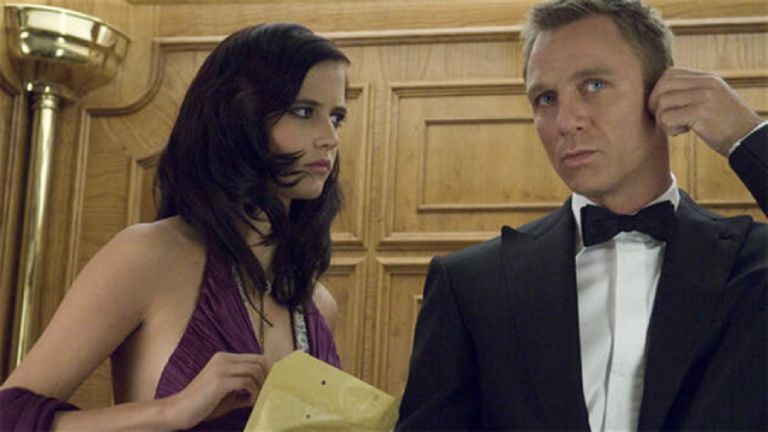
Casino Royale (2006): James Bond’s poker duel against Le Chiffre is one of the most memorable gambling scenes in cinema. Here, cards are not just about money but survival, as intelligence and psychological resilience become decisive weapons.
Rain Man (1988): Though not primarily a gambling movie, its blackjack sequence remains iconic. Dustin Hoffman’s character uses his mathematical skills to tilt the odds at a casino table, cementing the film’s place in cultural memory.
Rounders (1998): Starring Matt Damon and Edward Norton, the film dives into the world of underground poker. It’s a portrait of how skill, addiction, and survival collide in the gambling scene.
21 (2008): Based on real events, it follows MIT students who mastered card counting to beat the house. Strategy and math take center stage, challenging the idea that luck alone rules casino games.
Focus (2015): Will Smith and Margot Robbie headline a story of romance and deception, with casinos serving as one of the key stages. The film underscores how psychology and trust can shape high-risk games.
While these films capture the drama of gambling and casinos, today the landscape extends far beyond Las Vegas. Regulated online markets — such as the emerging Brazilian market — have introduced new tools to protect players and reshape the experience.
In Brazil, preferences lean toward straightforward and fast-paced titles. According to KTO’s casino data, slots dominate, accounting for more than 90% of total activity on the site. Games like Fortune Tiger top the charts, followed by Gates of Olympus, recognized for its high 5,000x multiplier, and themed titles such as Lucky Dog, Lucky Bull, and Lucky Monkey. These patterns suggest a player base attracted to symbols of luck and accessible gameplay.
Unlike the worlds portrayed in 21 or Rain Man, where clever strategies could outwit the odds, online platforms deploy monitoring systems and algorithms that quickly neutralize such tactics. Similarly, elaborate plans like those in Ocean’s Eleven would face digital safeguards that make manipulation far less feasible.
The allure of casino storytelling endures, but the realities of modern gambling — shaped by technology, regulation, and player protection in countries recently regulated such as Brazil — mark a new chapter that cinema itself may one day capture.
Follow Sounds and Colours: Facebook / Twitter / Instagram / Mixcloud / Soundcloud / Bandcamp
Subscribe to the Sounds and Colours Newsletter for regular updates, news and competitions bringing the best of Latin American culture direct to your Inbox.