

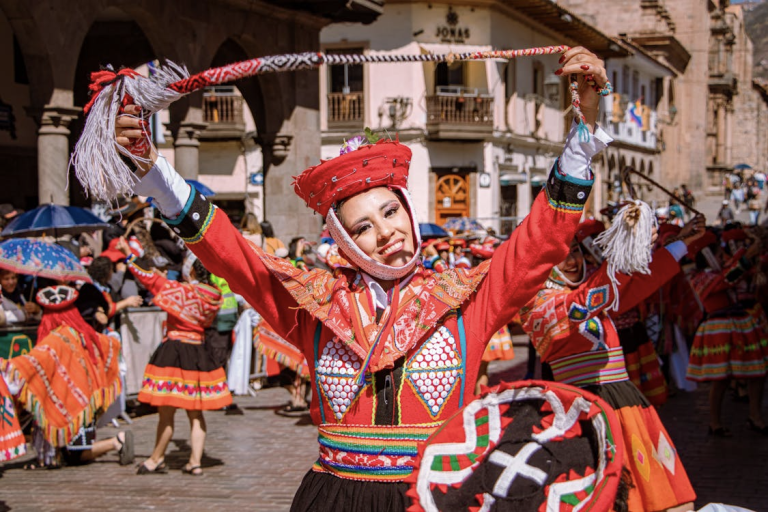
High Andes Sound: Psychedelia, Chicha and Cumbia
06 October, 2025A fuzz guitar cuts through a cumbia groove. A small organ holds a single note like a guide. This is the sound that rose from the Andes in the late 60s and 70s.
In Lima and across Colombia, young bands mixed street dance rhythms with ideas linked to ceremony and plant medicine. Many fans today set up a calm listening night, pick records from this era, and enjoy them with legal products from services like Same Day Cannabis.
Music, plants, and shared space sit side by side. That was true then, and it can be true now when used with care.
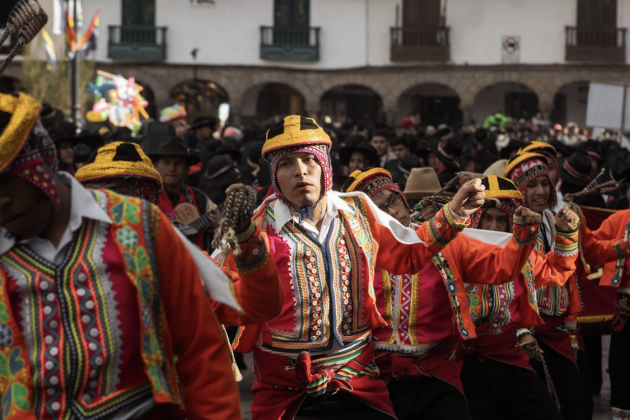
Photo by Roberto Carlos Yarahuaman Layme
Ritual Roots
Before electric gear, Andean communities used music in gatherings for healing and for marking the seasons. Drums and flutes set the beat. People sang in simple lines that the group could answer. Some regions used sacred plants.
In the highlands, San Pedro cactus contains mescaline. In the rainforest, ayahuasca is a tea guided by an experienced healer. People report that time can feel slower, patterns look sharper, and emotions rise and fall like waves.
Modern health sources list similar effects for classic hallucinogens. They mention changes in vision and sound, a looping sense of thought, and strong moods.
These reports match what we hear on Andean psychedelic records. Songs often ride long vamps, steady percussion, and repeating figures that pull the ear toward a light trance.
Huayno to Chicha
In the late 60s, Lima grew fast. People from the Andes moved to the city for work. They brought huayno melodies and a bright, proud dance feel. Young players learned simple guitar parts that followed those old tunes.
They plugged into tiny amps, added reverb and tremolo, and kept the percussion close to cumbia. The sound that formed is known as chicha.
Chicha pairs a clear, high guitar line with a strong, steady beat. The guitar often plays a short figure over and over while the bass and hand percussion stay locked in. The organ adds a soft pad. Vocals are plain and direct.
The gear was cheap, but the feel was sharp. This music was made for streets, markets, and family parties. It was not meant for quiet studios and big budgets, and that is part of its charm.
Writers have tracked chicha’s path from cassette stalls to national radio, linking it to migrant pride and city life.
Colombia’s Psychedelic Cumbia
Colombia already had a strong base in cumbia and porro. Bands there took the dance feel they knew well and opened it up with echo and tape delay.
Guitars used surf-style picking. Small combo organs added a soft drone that sat above the beat. Shakers and the guacharaca filled the space with fine detail. The rhythm kept dancers on track, even when the tones felt far out.
This balance is important. The music points inward without losing the room. At open-air parties, sound systems could play a song with a long organ break and the dance would not stop. That sense of shared focus shows up again and again across the scene.
Sounds of Ceremony
Many records from this era were made with simple tools, yet they feel deep and full. Four habits help explain why:
- Repetition with intent. Short guitar lines repeat for many bars. This steadiness mirrors breathing and drumming used to guide attention in group settings.
- Call and answer. A guitar phrase answers the organ. A small chorus answers the lead voice. The back and forth keeps people connected to each other.
- Slow swells. Players ride the volume knob, push the tape, or pull more sound from organ drawbars. The rise and fall is gentle, like the way sensation can grow and fade during long focus.
- Texture in percussion. Shakers, hand drums, and rasping tools add a grainy layer. On speakers at home, that layer keeps the body relaxed and the mind awake.
You do not need rare gear to feel this. A simple setup is enough. The arrangement and the patience carry the weight.
Lyrics and Daily Life
The words are not about big ideas. They are about love, leaving home, hard work, pride in a block, and the push and pull of city life.
A few songs mention visions or the sky. Most keep their feet on the ground. This mix tells us a lot. You can hear the calm and the long lines that echo a guided session. You also hear jokes, loud joy, and the hustle of a bus line or a corner bar.
A common song shape goes like this. Verse one sets a small scene. A short chorus repeats a simple line. Then the band opens up the middle. The organ holds a note, the guitar circles a figure, and the percussion finds small accents.
When the vocal returns, it lands with more weight, even if the words are the same. Time has stretched, and the listener is ready to hear them again.
Simple Listening Plan
If you use cannabis and want a music night that feels clear and friendly, this era is a good match. Build a small set of five or six tracks.
Start with a bright chicha tune with fast guitar. Move to a slower cumbia with a long organ break. Then pick a piece with a focus on hand percussion. End on a song with a strong chorus that brings people back to the room.
Read labels and start low. Effects and strength vary a lot. Keep water close. Open a window for fresh air. Share your playlist ahead of time so friends know the path of the night.
If you want to widen the frame, add one huayno or a coastal bullerengue song to show the roots. Those tracks reset the ear before you return to electric sounds.
Keep the volume at a level where shakers and small drums are easy to hear. Those details help the mind stay steady. Pause for a minute between songs. Notice how the room feels. If you lose focus, pick a track with a firm bass line and a short guitar loop. That will bring everyone back.
Finding the Records
You can find this music on reissue labels, digital stores, and library playlists. Search for Peruvian chicha from the late 60s and 70s. Look for Colombian sets that feature organ-driven cumbia with guitar fuzz.
Read the short notes inside the albums. The notes often include photos from neighborhood dance halls and quick stories from engineers who pushed old tape machines hard.
When a song title hints at mountains, dreams, or long nights, you are getting close. Try one or two tracks from that set. Then let your music app suggest a few more. Keep a simple list of what works for you. Over a few nights you will build a small map of sound that you and your friends can return to.
The core idea is simple. Presence beats excess. These songs use texture, groove, and clear rhythm to make focus feel easy.
They carry stories of movement and survival. They also show how plant traditions and city life met each other and made something new that still feels strong in a home setting.
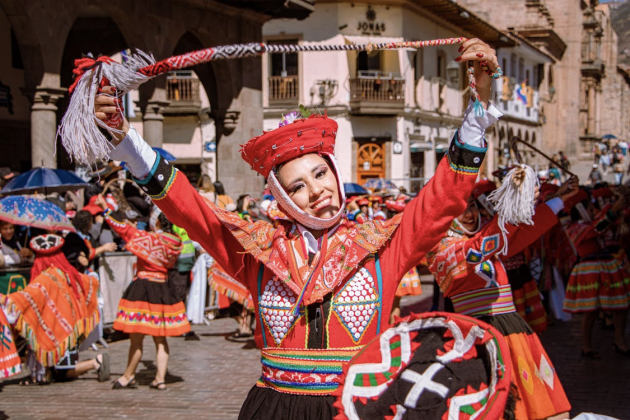
Photo by Cristian Quiñones Ramirez
Takeaway
Take what helps. Leave what does not. Pick records with a beat that holds the room, and give each song time to work. The High Andes gave the world a way to join trance and dance without losing balance. These tracks still show how to do it, one steady groove at a time.
Follow Sounds and Colours: Facebook / Twitter / Instagram / Mixcloud / Soundcloud / Bandcamp
Subscribe to the Sounds and Colours Newsletter for regular updates, news and competitions bringing the best of Latin American culture direct to your Inbox.