

Street Food in the Caribbean
16 September, 2025Walking through a Caribbean town, the smell of food is often the first thing that greets you. Street food is not just about eating quickly; it is part of everyday life. Just like casino games on Azurslot, vendors set up their stalls on busy corners, near beaches, or outside markets, offering flavors that reflect centuries of history. The Caribbean has always been a melting pot of cultures, and its street food tells that story with every bite. From African roots to European influence and Asian touches brought through migration, the streets serve dishes that are both simple and powerful.
Jamaica and the Famous Patties
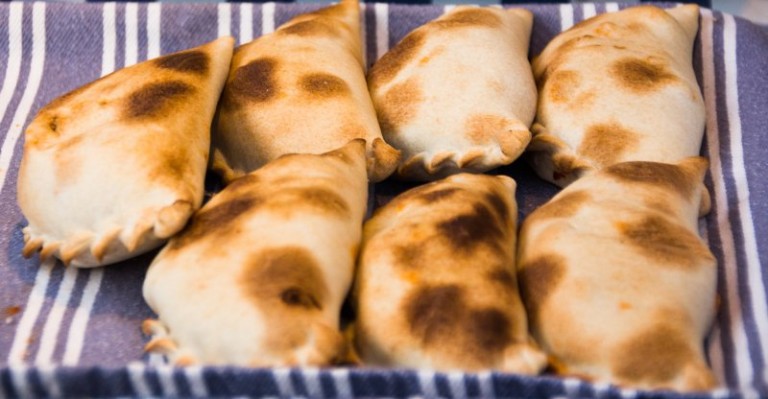
Taste of Jamaica street food is considered one of the top street foods in the Caribbean. These flaky pastries are mostly stuffed with fiery meat, chicken, or even vegetable filling. And the lovely crust is scented with curry powder-a reminder of Indian influence on the island. It’s cheap, easy to carry, and full of flavor; hence, the locals eat it as much as the tourists do. Patties reflect how food becomes an identity issue. Patty shops in many Jamaican communities overseas become homes, keeping cultural roots alive for the succeeding generation.
Doubles from Trinidad and Tobago
Before you even land in Trinidad, everyone will talk about doubles. Doubles are tender fried baras filled with curried chickpeas and drenched with sweet or spicy sauces-the perfect food to be enjoyed with your bare hands. Sold off carts, they’re usually the breakfast choice or quick snack in the islands. Doubles speak to the Indian heritage of these islands, brought over during colonial times. The contrasts of texture and flavor make them extra special-soft, spicy, sweet, and savory all at once. For many Trinidadians, getting a plate of doubles is part of daily life.
The Simplicity of Cuban Street Food
Cuba tells a different story. In fact, street food is often simple yet deeply tied to daily life. Stall vendors sell roasted peanuts wrapped in paper cones, small sandwiches with fresh bread, and fried plantain chips. These are easy street foods but they link culture with community. Food-wise, the adversities in trade and shortages throughout history have always fostered ingenuity in Cuba. Street food—or rather street eating—exemplifies how people transform basic ingredients into meals nourishing to both stomach and soul.
Alcapurrias and Pinchos of Puerto Rico
Puerto Rico adds another facet to the Caribbean street-food story. Alcapurrias, fritters made from green banana or yuca filled with a meat seasoned to taste, are favorites on the beach. Pinchos, on the other hand, consist of marinated meat grilled over an open flame and served with bread or sauce. These foods are more than mere sustenance; they come tied with social occasions. After work, friends meet at pincho stands while, during festivals, allowing families to buy alcapurrias. Here, street food is all about relationships.
Haiti and the Power of Griot
Griot dishes in Haiti are imbued with tradition and pride. The pork is marinated, fried to a golden crisp, and often served with pikliz, a cabbaged-out spicy pickled accompaniment. They are sold off street corners to hungry crowds and during celebratory moments. That is how griot tells the story of the French and African influences that melded to form Haitian Cookery. The dish is rich, bold, and never to be forgotten, just like Haiti itself. So it is not just food really that is packed with tradition when eating griot on the street; it is the sharing of a piece of their cultural strength of the people.”
Street Food as Hospitality
All over the Caribbean, street food is said to offer food for thought. People stand and converse around the stalls, laughing and sharing together. Tourists who dare to try these dishes are thus offered not just the taste of the island but also a vista into the local world. Vendors are often storytellers, recounting the history behind their recipes or telling their family stories. Street food is cheap-to-expensive, but when eaten from a vendor, it often feels more genuine because it is crossed-country by locals for locals.
Why It Matters Today
While fast-food chains disseminate similar tastes throughout the globe, Caribbean street food remains different. It is intimate, cultured, and fresh: freshly laid out before you. The young chefs are engagingly encouraging the old-fashioned recipes and, hence, street food for the old and the young. Ambiguities also show that street food never stands in one place-but continues on transforming without losing its base. This allows street food to be relevant now, binding folks together, conserving pasts, and generating much happiness in the simplest manner.
Follow Sounds and Colours: Facebook / Twitter / Instagram / Mixcloud / Soundcloud / Bandcamp
Subscribe to the Sounds and Colours Newsletter for regular updates, news and competitions bringing the best of Latin American culture direct to your Inbox.