

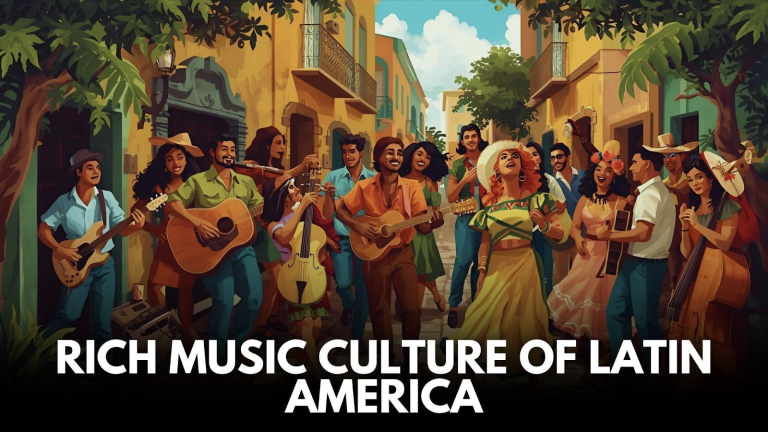
The Rich Music Culture of Latin America
09 September, 2025Latin America is a region bursting with rhythm, melody, and soul. From the pulsating beats of Afro-Caribbean drums to the romantic strums of the Spanish guitar, Latin America’s music culture is one of the most diverse and influential in the world. Rooted in indigenous traditions, enriched by African rhythms, and blended with European harmonies, the music of Latin America tells the story of history, identity, and passion. Today, it continues to evolve, captivating global audiences while staying deeply connected to its roots. In this article, we explore the rich music culture of Latin America, its origins, signature genres, and global impact.
On the other hand, if you are on the lookout for Pusoy Dos games online, visit GameZone!
The Origins of Latin American Music
The music culture of Latin America was born out of a fusion of influences. Before colonization, indigenous peoples across the continent already had vibrant traditions of percussion, chanting, and wind instruments. With the arrival of Europeans in the 16th century, string instruments like the guitar and violin were introduced, bringing new harmonies and melodies. The African slave trade then brought powerful drum-based rhythms, call-and-response patterns, and dances that transformed the musical landscape.
This blending of cultures gave birth to the unique sound of Latin America—a sound defined by its syncopated rhythms, emotional melodies, and expressive movement. Each country and region developed its own styles, yet all carried the mark of this rich cultural fusion.
Iconic Genres of Latin America
Salsa: The Global Dance Phenomenon
Salsa, originating from Cuba and further developed in Puerto Rico and New York, is one of Latin America’s most famous musical exports. With its infectious rhythm, vibrant brass sections, and passionate lyrics, salsa became synonymous with celebration and dance. Legends like Celia Cruz, known as the “Queen of Salsa,” brought the genre to international fame, making it a symbol of Latin joy and resilience.
Samba and Bossa Nova: The Heartbeat of Brazil
Brazil offers two globally recognized genres: samba, known for its upbeat carnival rhythms, and bossa nova, a softer, jazz-influenced style. Samba’s roots are tied to Afro-Brazilian communities and the celebration of Carnival, while bossa nova, pioneered by João Gilberto and Antônio Carlos Jobim, enchanted the world with smooth classics like “The Girl from Ipanema.”
Mariachi: Mexico’s Cultural Soundtrack
No discussion of Latin music is complete without Mexico’s mariachi. Characterized by trumpets, violins, and the guitarrón, mariachi bands are staples of Mexican celebrations. Songs often tell stories of love, patriotism, and rural life. Singers like Vicente Fernández elevated mariachi to international recognition, keeping it alive as a proud cultural tradition.
Tango: Argentina’s Passionate Contribution
From the streets of Buenos Aires emerged tango, a genre of deep emotion and sensual dance. Tango music features dramatic bandoneón melodies and themes of love and longing. Carlos Gardel, Argentina’s legendary tango singer, immortalized the genre, while modern artists continue to blend traditional tango with electronic elements.
Reggaeton: The Modern Latin Wave
In the late 20th century, Puerto Rico gave birth to reggaeton, a genre that combines reggae, dancehall, and hip-hop with Latin rhythms. Artists like Daddy Yankee, Bad Bunny, and J Balvin transformed reggaeton into a global phenomenon, dominating charts and festivals worldwide. Today, reggaeton embodies the modern voice of Latin youth culture.
Music as Cultural Expression
Latin American music is more than just entertainment—it is a powerful form of cultural expression. Throughout history, it has served as a tool for storytelling, protest, and unity. During political struggles, folk music in countries like Chile and Argentina became a voice of resistance, with artists such as Violeta Parra and Mercedes Sosa inspiring hope through song.
Religious traditions also influenced Latin music, blending Catholic hymns with indigenous and African practices to create genres like cumbia and Afro-Peruvian music. Music became a way to honor heritage, preserve traditions, and celebrate community life.
Dance and Movement: The Soul of Latin Music
In Latin America, music and dance are inseparable. Every genre carries its own dance style, from salsa’s spins to tango’s sensual steps. These dances are not only forms of expression but also social traditions passed down through generations. Carnival in Brazil, Día de los Muertos celebrations in Mexico, and fiestas across the region are defined by music and dance, making them central to Latin American identity.
Latin Music’s Global Impact
Today, Latin American music dominates global charts, festivals, and streaming platforms. Genres like reggaeton, bachata, and Latin pop cross borders, resonating with audiences from Asia to Europe. Collaborations between Latin stars and international artists have further amplified its reach—think Shakira and Beyoncé, J Balvin and Beyoncé, or Bad Bunny and Drake.
Latin rhythms also influence other genres, with pop, hip-hop, and electronic music incorporating Latin beats. This global popularity highlights how Latin America’s music culture has become both timeless and universal.
Famous Latin American Artists Who Shaped Music
Latin America has produced countless musical legends whose impact stretches far beyond their home countries:
- Celia Cruz (Cuba): Icon of salsa and Afro-Cuban music.
- Carlos Santana (Mexico): Legendary guitarist blending rock with Latin rhythms.
- Juan Gabriel (Mexico): Beloved for his ballads and flamboyant performances.
- Shakira (Colombia): A global superstar who brought Latin pop and dance to mainstream audiences.
- Bad Bunny (Puerto Rico): The face of modern reggaeton and Latin trap.
Each artist represents a chapter in the evolving story of Latin American music, proving its ability to adapt, innovate, and inspire.
The Future of Latin American Music
As technology advances, Latin American artists continue to experiment with new sounds and platforms. Streaming services and social media have allowed emerging talents to reach audiences without traditional barriers. Genres like reggaeton, Latin trap, and fusion styles are evolving rapidly, ensuring that Latin America remains at the forefront of the global music scene.
Yet, traditional genres like mariachi, tango, and samba remain alive, cherished by both older generations and younger fans who see them as symbols of cultural pride. The future of Latin music lies in this balance—honoring traditions while embracing innovation.
Conclusion
The rich music culture of Latin America is a celebration of diversity, history, and creativity. Rooted in indigenous, African, and European influences, it has blossomed into countless genres that captivate audiences worldwide. From the passionate tango of Argentina to the energetic reggaeton of Puerto Rico, Latin American music reflects the region’s soul—vibrant, resilient, and endlessly expressive.
Whether through the strums of a guitar, the beat of a drum, or the voices of iconic artists, Latin American music continues to inspire joy, unity, and pride. Its rhythms connect people across borders, reminding us that music truly is a universal language.
Follow Sounds and Colours: Facebook / Twitter / Instagram / Mixcloud / Soundcloud / Bandcamp
Subscribe to the Sounds and Colours Newsletter for regular updates, news and competitions bringing the best of Latin American culture direct to your Inbox.