

When Beats Meet Boxing: Muay Thai’s Rhythmical Roots
14 August, 2025Muay Thai is known worldwide for its powerful strikes and disciplined training, but anyone who has been ringside will tell you there is more to it than physical skill. The sport moves to its own soundtrack. From the opening notes of the sarama music to the measured rhythm of footwork, Muay Thai carries a cultural beat that is as much about heritage as it is about winning a fight.
The connection between sound and movement in Muay Thai is not so different from the way music fuels energy in Latin American dance or carnival parades. The instruments, pacing, and even crowd reactions add layers to the experience. Fans who follow live events on sites that track เรตมวย can feel this rhythm even from afar, keeping in step with the flow of each match.

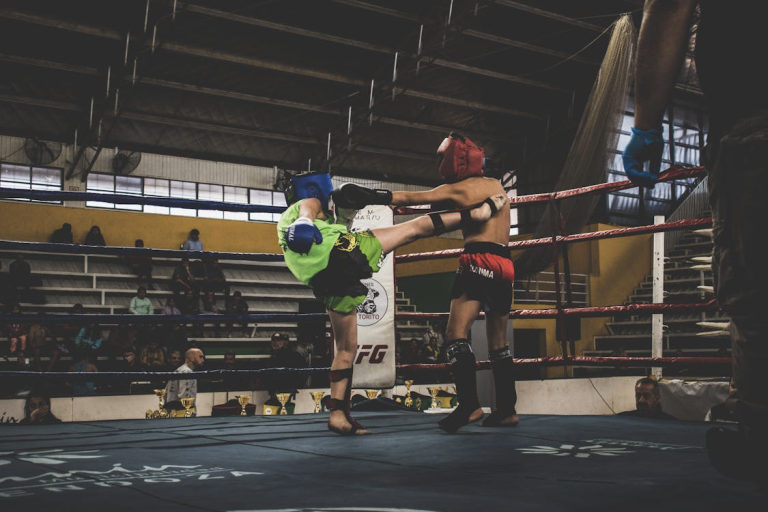
Photo by Franco Monsalvo
The Soundtrack of the Ring
The most distinctive sound in a Muay Thai match is the sarama, a live performance using traditional Thai instruments such as the pi java (a reed oboe), drums, and cymbals. This music is not background noise—it actively guides the fighters. The tempo changes as the fight intensifies, encouraging bursts of energy or moments of careful defense.
In Latin American festivals, percussion drives the flow in a similar way. Drums and brass are not just for listening; they shape how people move, dance, and respond to one another. In both worlds, rhythm is a form of communication that words cannot replace.
Rituals That Speak in Beats
Before the first punch is thrown, fighters perform the wai kru ram muay, a pre-fight dance honoring teachers, family, and tradition. The music during this ritual is steady, almost meditative. It sets a respectful tone and reinforces the deep cultural roots of the sport.
In places like Brazil or Colombia, traditional dances before major events serve a similar purpose. They prepare the mind and body, connect performers to their community, and signal the importance of what is about to happen. The body moves, but it is the beat that leads.
Crowd Energy and Live Rhythm
If you’ve ever been to a live Muay Thai match, you know the crowd is part of the orchestra. Chants rise and fall in time with the fight. The rhythm of clapping and shouting often aligns with flurries of punches or a clever defensive move.
This mirrors how Latin American crowds respond to live music. Whether it’s in a small club or a street performance, the audience participates, shaping the pace and intensity. The interaction between performer and crowd creates an energy loop that drives the moment forward.
Keeping the Beat Beyond the Arena
For those who cannot be there in person, online platforms help bridge the gap. Fight schedules, live updates, and scoreboards act like sheet music for fans. They allow you to follow along, anticipating when the pace will shift or when a high point is coming.
Just as a music fan might follow a live-streamed concert or festival lineup, Muay Thai fans can stay tuned to the ebb and flow of a fight through real-time updates. This keeps the cultural connection alive even when geography keeps you away.
Parallels in Training Rhythms
Training for Muay Thai also has its own tempo. Rounds of pad work, bag drills, and sparring create a cycle of effort and rest. Fighters learn to adjust their breathing and movement in time with these patterns.
Musicians and dancers in Latin America train in much the same way. Rehearsals are broken into segments, with each section focusing on rhythm, precision, or improvisation. Over time, these cycles become second nature, allowing performers—or fighters—to adapt in the moment.
The Universal Language of Percussion
What ties Muay Thai to Latin American music most strongly is percussion. Drums, whether they are temple drums in Bangkok or congas in Havana, speak directly to the body. They bypass logic and tap into instinct. This is why rhythm is such a powerful driver of movement.
In both traditions, the beat can be steady and grounding or fast and exhilarating. It can signal caution or push the pace toward a dramatic finish. And it is this shared language that makes it possible to draw a line between two cultures that seem far apart.
Why the Connection Matters
Seeing Muay Thai through the lens of rhythm changes how you understand it. The sport is not just a contest of strength or technique. It is a live performance where fighters, musicians, and audiences all contribute to the final outcome.
Likewise, music in Latin America is rarely just for listening. It is an active, participatory experience that draws energy from everyone present. Both remind us that rhythm is a bridge between people, places, and traditions.
Bringing the Two Worlds Together
Imagine a cultural event that paired a Muay Thai exhibition with live Latin percussion. The exchange of rhythms could create something entirely new while honoring the roots of both traditions. It would be a celebration of movement, sound, and shared human energy.
In a way, following a fight online or tracking stats is already a version of this exchange. Data and rhythm work together, giving you both the facts and the feeling of the moment. Whether you’re in a stadium or behind a screen, the beat keeps you connected.

Photo by Franco Monsalvo
Final Thoughts
Muay Thai and Latin American music may come from different corners of the world, but they share a core truth. Both are living traditions powered by rhythm, performance, and community. They thrive because they are more than entertainment—they are cultural expressions that speak directly to the human spirit.
For anyone who loves either art form, exploring the other is a way to deepen your appreciation. Once you start listening for the beat, you’ll hear it everywhere.
Follow Sounds and Colours: Facebook / Twitter / Instagram / Mixcloud / Soundcloud / Bandcamp
Subscribe to the Sounds and Colours Newsletter for regular updates, news and competitions bringing the best of Latin American culture direct to your Inbox.