

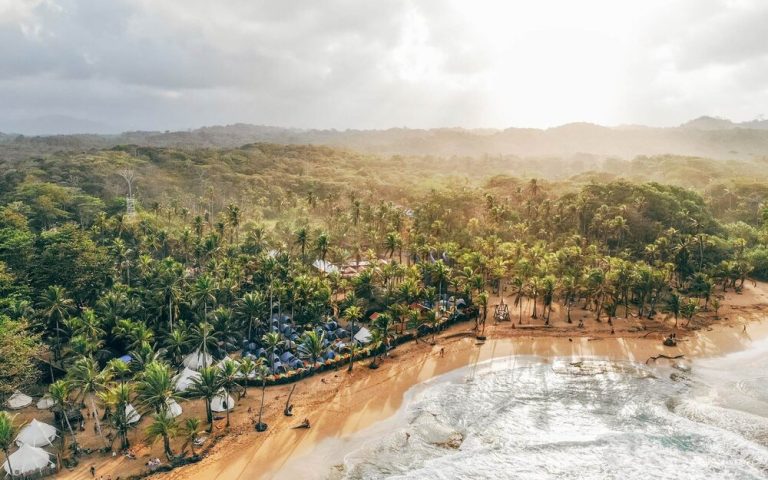
Beyond Reggaetón: The New Wave of Afro-Caribbean Fusion in Panama
29 April, 2026Panama has been a big part of modern Latin music for a long time, even if it doesn’t always get the credit it deserves. Long before reggaetón became popular around the world, the country was already shaping its sound with reggae en español, a style that is very much a part of Afro-Caribbean culture. Just like niche digital spaces, like music blogs and even unexpected places of online entertainment like GZone communities, can bring attention to trends that aren’t getting enough attention, Panama’s influence has quietly shaped global sounds behind the scenes. El General and other artists helped bring Caribbean rhythms into Spanish-language music. This set the stage for what would eventually happen across the region.
Today, a new generation is building on that legacy, but they’re not just keeping it going. They are changing it.
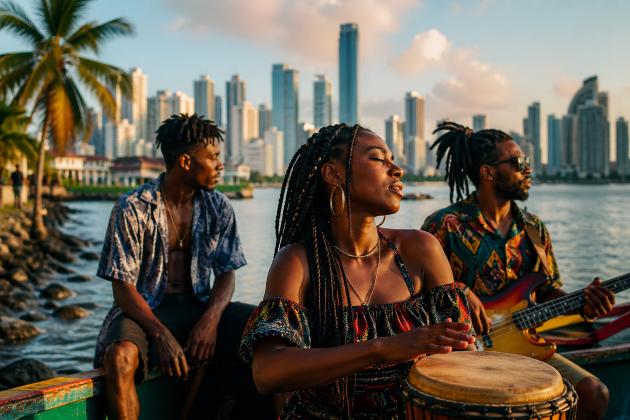
A History That Still Echoes
You need to look at Panama’s past to understand its current musical wave. During the building of the Panama Canal, people from Jamaica and other Caribbean islands moved to Panama. This is how the country got its Afro-Caribbean identity. These groups brought calypso, mento, and reggae music with them, which would later mix with the culture of the area.
By the 1980s and 1990s, reggae en español had become a unique Panamanian form of those influences. It was raw, had a beat, and was very much a part of everyday life. Puerto Rico would later make reggaetón popular all over the world, but Panama’s role as the place where it started is still clear.
That history isn’t just background; it’s the DNA of what’s going on now.
The New Wave Takes Shape
Artists today don’t have to stick to one style. Instead, they mix dancehall, Afrobeat, R&B, and Latin pop in a way that sounds both local and global.
Artists like Sech and Boza have helped Panama get noticed again by mixing smooth melodies with Caribbean rhythms. Their success has brought the country back into the spotlight, but they are only one part of a much larger movement.
More and more up-and-coming artists are pushing the boundaries even further by mixing traditional Afro-Caribbean percussion with electronic production or adding bilingual lyrics that draw on both Spanish and Caribbean patois. This isn’t just mixing genres; it’s identity in motion.
Sound as Identity
It’s not just how this new wave sounds that makes it interesting; it’s what it stands for.
Panama’s Afro-Caribbean communities, especially in places like Colón, have had a big impact on the country’s culture for a long time. But their impact hasn’t always been fully recognized in mainstream stories. One of the clearest ways to get back to and show that identity is through music.
You can hear it in the beats, which are syncopated and sound like dancehall and soca. You can hear it in the way people talk: phrases and flows that sound like Caribbean speech. And you can hear it in the themes: stories about moving, staying strong, living in the city, and feeling like you belong.
This new generation is doing more than just making music. They are still talking about who gets to say what Panamanian culture is.
From Local Scenes to Global Platforms
Artists today don’t have to worry about where they are like they did in the past. Panamanian music can now travel instantly thanks to streaming services and social media. A song made in Panama City or Colón can be heard in Europe, Africa, or North America within hours.
This ease of access has also led to more experimentation. Artists are not only influenced by the sounds around them; they are also listening to sounds from all over the world in real time. The mix includes Afrobeat from West Africa, Caribbean dancehall, and even some trap and electronic music.
At the same time, people are trying hard to stay grounded. Instead of copying trends from around the world, a lot of artists are putting their own unique Panamanian spin on them. The end result is music that sounds both familiar and brand new.
The Role of Space and Community
Geography is still a very important part of this movement. Cities like Panama City are creative centers where artists and producers from different genres work together. Colón is still an important cultural center that has the historical and rhythmic influence of Afro-Caribbean heritage.
The scene stays alive thanks to local studios, informal groups, and events run by the community. These places give artists the freedom to try new things, often without the stress of meeting commercial expectations.
This grassroots energy is what makes the music real. It’s not made in boardrooms; it’s made in neighborhoods, studios, and shared cultural experiences.
More Than a Trend
You could call this just another wave in Latin music, but that misses the point. It’s not about following trends in Panama; it’s about changing them.
Reggaetón is still the most popular music style around the world, but Panama’s new generation is making a space that feels less formulaic and more exploratory. It’s not just about the hits; it’s also about the sound, texture, and story.
This way of thinking also goes against the idea that all Latin music is the same. These artists are reminding listeners that the music of the region is layered, diverse, and always changing by bringing up Afro-Caribbean influences.
Follow Sounds and Colours: Facebook / Twitter / Instagram / Mixcloud / Soundcloud / Bandcamp
Subscribe to the Sounds and Colours Newsletter for regular updates, news and competitions bringing the best of Latin American culture direct to your Inbox.