

Caballos y Cultura: The Deep Equestrian Traditions Woven Into Latin American Identity
11 May, 2026Credits Pexels
Horses are crucially important across the world, with the equines being vital for transportation and services.
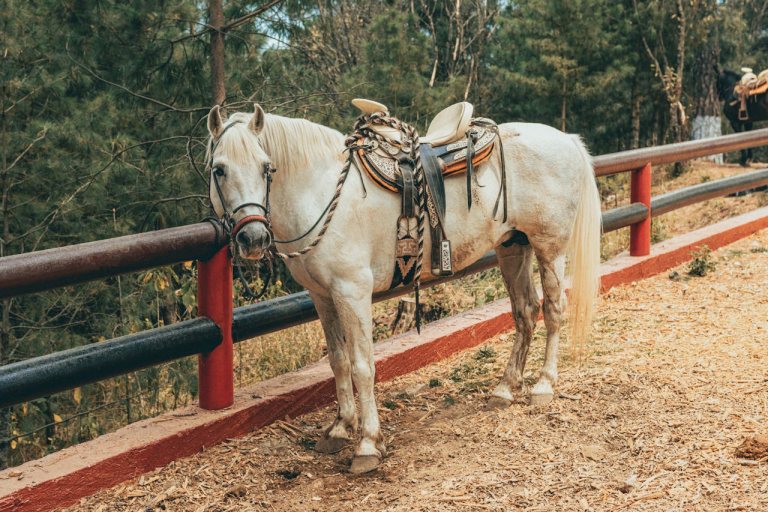
That continues to be a theme in modern life, with horses able to act as a living bridge between colonial history and national pride. Since being introduced to locals in the 16th century, horses have become prominent in Latin America for transportation, warfare, and agriculture.
As well as this, the equines also play a huge role in the economy, which is the same as in the United States.
Races such as the Preakness Stakes and Kentucky Derby brings wealth to the cities that hold the races, attracting international visitors to the area, ensuring big turnovers in hotels, restaurants and local shops. But, what important equine traditions have been woven into the Latin American identity?
Mexico
Horses are a way of life in Mexico, with the Latin American country boasting one of the biggest equine populations on the planet. In total, only the USA houses more than Mexico’s 6.2 million horses.
Therefore, it is little surprise that long standing equine traditions in the country remain as prominent in this modern day as they ever have. The most popular is Charreria, which is recognised as a national sport in Mexico. It is also acknowledged by UNESCO. The activity is closely related to a rodeo, but has evolved since the 19th century.
A total of nine specific events make up a Charreria, including horse reining, roping, and bull tailing. A female version of the event is also prominent in this modern day, with the Escaramuza seeing women compete in traditional adelita dresses.
Argentina/Brazil
South America is also a hot spot for equine activity, with Brazil reportedly being home to over five million horses. One of the longest-standing traditions in both Brazil and Argentina revolves around the Gauchos.
Located in Rio Gande so Sul, this tradition focuses on the pastoral lifestyle, focusing on bravery, freedom and hospitality. As part of their way of life, Gauchos have a close relationship with horses, using equines for riding and cattle ranching. Gauchos will traditionally were bombachas, leather boots and ponchos.
A key part of the South American tradition also revolves around Churrasco and Fogo de Chao, which are authentic barbecues, traditionally slowly roasting meat over open ground fires. However, one of the most synonymous traditions for Gauchos is their passion for equines, forming strong bonds to their animals in rural areas.
Huaso
Horses play a crucial role in traditions in Chile, with Huasos forming close bonds with equines. A Huaso is a traditional Chilean countryman, who are similar to American cowboys and Mexican charros.
They are typically found in the central valley and southern regions of the nation, and the huaso is a symbol of rural culture. They are celebrated due to their traditionally reputation of being exceptional horsemen, as well as dressing in their distinct attire. Huasos are also crucial for major events on the social calendar, as they will be responsible for organising Chilean Rodeos.
This is the national sport in Chile, and it is completely unlike an American rodeo. In Chile, these events are a team sport that is played on a crescent-shaped arena. Each team consists of two huasos and their horses. The main aim of the game isn’t only to catch the calf, but also for the horse to use its skills to steel the calf against the padded walls of the arena.
Colombia
Colombia is another of the most famous Latin American nations with deep rooted equestrian traditions. In Colombia, Paso Fino horses are celebrated, and they typically are at the centre of major festivals throughout the year. The horse breed originates from when horses were imported to the Caribbean from Spain.
Paso Fino’s are reversed for their smooth and natural ambling gait, and they are most popularly used for trail riding. The current breed of Paso Finos can be traced back to Puerto Rico, with a second ground bred to be Criollo Horses founded in Colombia.
The Colombian breed is beginning to outnumber their ancestors, but growing trends have found that preservation breeding to ensure the long-term futures of both breeds has been common.
Honduras
Few Latin American nations are as passionate about their equines than Honduras. The nation regularly has events to celebrate horses, with Cabalgatas seeing organized horseback riding parades.
These not only celebrate the life of horses and acknowledge their importance to a nation, but they also act as an opportunity to celebrate communities and the heritage of the region. These parades are most common during patron saint festivals, regional celebrations, and local fairs.
As well as having the opportunity to share festivities with locals, these parades also present an opportunity to celebrate different horse breeds, with Frisians and Paso Finos typically on display.
Follow Sounds and Colours: Facebook / Twitter / Instagram / Mixcloud / Soundcloud / Bandcamp
Subscribe to the Sounds and Colours Newsletter for regular updates, news and competitions bringing the best of Latin American culture direct to your Inbox.