

Why Latin American Music Communities Still Create Breakout Moments
17 April, 2026Introduction To Latin American Music Communities
In Latin American music communities, momentum rarely appears out of nowhere. Even a phrase like NuxGame sweepstakes software hints at a wider truth about attention. What keeps people coming back after that first spark has faded? Shared moments, memorable rituals, and real belonging usually do the trick. That same pattern drives scenes, from neighborhood parties to niche radio shows.
Latin American Music Communities Start With Trusted Circles
Most movements begin with trusted circles, not glossy campaigns or giant budgets. A local DJ tests a track, and friends pass clips through group chats. Soon, the song carries context, not just sound or surface excitement. Because audiences follow people before they follow algorithms, this context is important. Trust takes time to develop, but once it does, it spreads shockingly far.
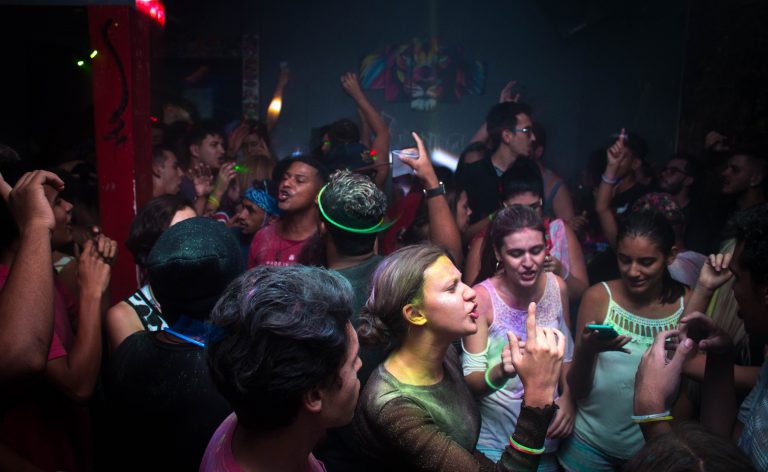
Sounds tied to place often travel further because they already feel grounded. You hear that in coastal brass bands, Bogotá club nights, and apartment sessions. Each scene carries its own codes, references, humor, and social memory. Listeners are not simply consuming tracks; they are entering a living world. That sense of place makes discovery feel intimate rather than generic.
Playlists And Radio Give Latin American Music A Second Life
Playlists help, sure, but they don’t work until a community sparks interest. College radio, independent blogs, tiny labels, and selectors still do heavy lifting. They frame a song, explain its roots, and connect it to a wider mood. Without that framing, even strong releases can drift past unnoticed. Good curation gives listeners a doorway, not just another recommendation.
A few signs usually show when a scene is starting to move:
- A trusted DJ backs the track in public
- Short live clips give the release a face
- Niche playlists turn curiosity into habit
- Local conversation keeps the song circulating
That cycle explains why modest scenes can still punch above their weight. The machinery looks small from the outside, yet it creates repeat attention. Marketers often study how sweepstakes software companies design return visits and lasting habits. Music’s practiced that art for decades, usually with fewer resources and less noise. Great scenes turn curiosity into ritual, and ritual into loyalty.
Digital Music Discovery Still Needs A Human Voice
Still, digital reach alone does not build a durable audience. Metrics can show spikes, but spikes are slippery and don’t explain much. What lasts is recognition: a voice, an image, a venue, and memory. When artists sound rooted in real communities, discovery feels personal to listeners everywhere. That difference can be felt immediately, even before numbers catch up.
This is why premieres, interviews, and scene reports still carry weight. They do more than just provide a link or announce a release date. They explain to audiences why the work is important today, who created it, and where it fits in. In crowded feeds, that editorial touch separates a passing mention from connection. Context gives music a pulse that pure promotion rarely achieves.
Breakout Moments In Latin American Music Start Small
Breakout moments often look sudden only after the story gets retold. Before the headline, there were months of groundwork in bars and rehearsal rooms. Community stations, market stalls, and neighborhood parties kept the songs moving. People kept showing up, listening closely, and passing the names along. By the time outsiders notice, insiders already know the chorus.
Latin American music thrives through that layered movement between tradition and reinvention. A rhythm can hold memory while still sounding fiercely new. That tension draws people back because it rewards close attention. The best songs reveal more with each listen and invite deeper attachment. Strong communities make room for that slow, satisfying kind of discovery.
For editors, promoters, and artists, the lesson is pretty simple. Chase real conversations before chasing scale or temporary reach. Back the voices already doing the patient work inside their communities. When scenes are documented with care, they travel more honestly across borders. That’s how regional sound becomes international without losing its soul.
Conclusion: Latin American Music Communities Keep The Spark Alive
So, yes, breakout culture still depends on timing, luck, and a little mystery. But luck usually meets people who were already moving together. Latin American music communities keep building that motion through trust and repetition. They also keep alive the shared excitement that makes discovery worth chasing. Long before the wider industry notices, the room has made its choice.
Follow Sounds and Colours: Facebook / Twitter / Instagram / Mixcloud / Soundcloud / Bandcamp
Subscribe to the Sounds and Colours Newsletter for regular updates, news and competitions bringing the best of Latin American culture direct to your Inbox.