

Visual Activism in Latin America: Art, Protest, and Graphic Design
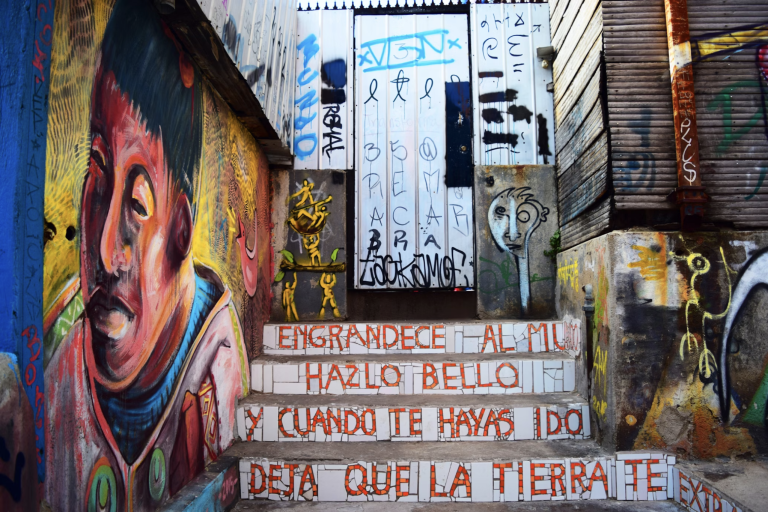
03 June, 2025In Latin America, protests speak not only through slogans and speeches. They scream from the walls of the streets, appear on Instagram feeds, turn into magazine covers, and even “pop up” on Spotify as visual mockups. Visual activism here is not an auxiliary element of political struggle, but its central expressive language. From Mexican murals to digital posters in Argentina, art in this region has always been inseparable from protest.

Graphics born from revolution
The history of visual activism in Latin America began long before Photoshop and social media. As early as the 1920s, Mexican muralists such as Diego Rivera and David Alfaro Siqueiros covered walls with giant frescoes depicting workers, peasants, and revolutionaries. These works were available to everyone – they could not be “turned off” or hidden behind a paid subscription.
In the 1970s and 80s, during the dictatorships in Chile, Argentina and Brazil, artists created protest posters that were distributed underground. The poster became not just a method of communication, but an act of civic courage. Over time, visual protest moved from the printing press to the streets and then to the Internet.
Who speaks through visual language?
Today, visual activism in the region covers a wide range of forms and styles. For example, in Chile, the collective Última Hora creates edgy posters that are distributed digitally. Their images often go viral immediately, as the designers consciously make them easy to print on a regular printer – art here works quickly, boldly and accessible.
In the same 2019 protests, the names of legendary artists from the 70s were heard again on the streets of Chile – the collective La Brigada Ramona Parra, known for its murals in the style of socialist pop art, once again went out to paint on the walls.
And in Argentina, comic artists Liniers and Maitena use illustrations to ridicule politicians and explore the cultural pains of society. Their works regularly appear in newspapers and social networks, remaining accessible to a wide audience.
Instagram as a new street: digital posters and mockups
Modern activist designers are increasingly working in the digital environment. Instagram and TikTok are becoming new galleries, and visual manifestos are part of online culture. This is where mockups come to the rescue – tools that allow you to create a realistic look of the finished product. With their help, an artist can show what an album cover, poster or magazine will look like in real life – on vinyl, a cassette, on a store shelf or in a Spotify playlist.
For example, Argentinian designer Noah Carbonello used mockups to create fake music covers, each of which criticised a specific aspect of urban politics. One of the works featured a fictitious track called “Sube la Renta” (“Raise the Rent”), which “played” on the cover of Spotify. Thanks to the visual precision and recognisable interface style, the work went viral: people shared it as a meme, but also recognised its protest message.
In this way, mockups become not only a design tool, but also part of the visual rhetoric – they give the works realism, credibility, and a touch of vitality.
Women’s struggle as a visual front
One of the most powerful themes of visual activism in Latin America is the struggle of women against gender violence. The statistics are shocking: on average, 12 women die from femicide every day, and this tragedy is reflected in art.
The Ni Una Menos movement has become more than just a street action, but a real visual phenomenon. Its symbols – pink and black colours, burning eyes, harsh slogans – are now recognisable even beyond the region. Posters, illustrations, murals and graffiti inspired by this movement have become part of the public landscape in Argentina, Peru and Uruguay.
What can designers do?
If you’re a designer and want to get involved in visual activism, you don’t have to be part of a large collective or street movement. Here are two simple steps:
Use magazine mockup or other medium to show how your work will look in the real world – this will make it closer to the viewer and more trustworthy.
Make visual templates that people can quickly adapt: change the slogan, insert your photo, translate into another language – this will give the work a chance to become a living, spreadable meme of resistance.
When protest hits museums
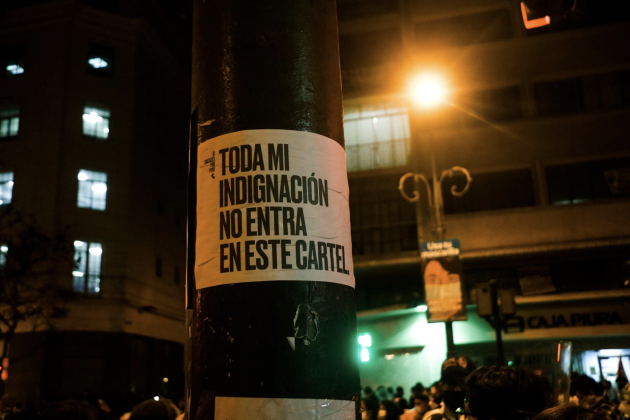
Today, visual activism goes beyond the streets and social networks. In 2022, the MoMA Museum of Modern Art in New York organised an exhibition “Protesta Gráfica”, where it collected more than 150 objects of street art from Latin America. The works of artists who until recently glued their posters on fences at night are now discussed in academic circles and receive international awards.
Art that can’t be ignored
Visual activism in Latin America is not a trend, but a cultural core of resistance. It connects ancient traditions with digital tools, local pains with global issues, the reality of the street with the power of the Internet. And tools like mockups allow activists to speak loudly, convincingly, and clearly – in a language that is heard not only at protests but in every news feed.
Whether it’s a mural, a digital poster, or a magazine mockup, each image becomes not only a work of art, but also an act of civic expression.
Follow Sounds and Colours: Facebook / Twitter / Instagram / Mixcloud / Soundcloud / Bandcamp
Subscribe to the Sounds and Colours Newsletter for regular updates, news and competitions bringing the best of Latin American culture direct to your Inbox.