

Andean Folk Traditions vs. Afro-Caribbean Rhythms: How Two Worlds Shaped Modern Latin Music
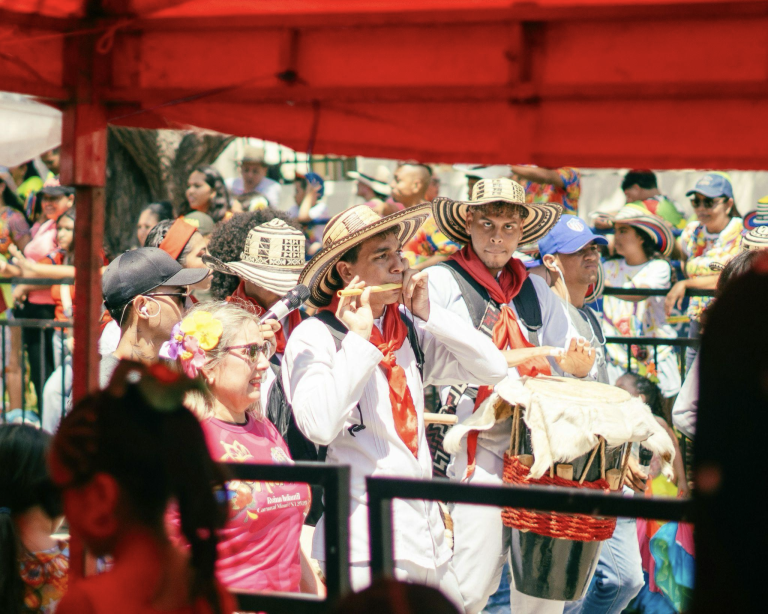
16 July, 2026Two sound worlds sit at the heart of Latin music, and they could hardly feel more different. High in the Andes, the breathy quena flute and the small charango carry melodies shaped by mountain air and Quechua and Aymara song. Along the Caribbean coast, layered hand drums, the clave pattern, and call-and-response singing carry the memory of African diasporas that reshaped the region.
Understanding how these two traditions grew, borrowed, and eventually collided explains a great deal about the music heard across the continent today. Neither tradition developed in isolation, and that is the interesting part. Trade routes, colonial cities, and later the recording industry pushed highland and coastal sounds into contact, producing hybrids that neither community could have predicted on its own.
Where the Andean Sound Comes From
Andean folk music grows out of communities spread across Peru, Bolivia, Ecuador, and northern Chile and Argentina. Its instruments are portable and pastoral: panpipes known as “sikús” or “zampoñas,” the quena, and the charango, a small stringed instrument once built with an armadillo shell. The melodies often move in pentatonic scales, giving them a wistful, open quality that many listeners recognise instantly.
The huayno is the backbone genre here, a dance rhythm that has survived from pre-Columbian roots through Spanish colonial influence. By the twentieth century, groups such as Los Kjarkas from Bolivia carried these forms to a global audience. One melody in particular, popularised through Simon and Garfunkel, traces back to the composer Daniel Alomía Robles and his piece rooted in Andean tradition, as documented in the entry on “El Cóndor Pasa.” That single crossover shows how far a highland tune could travel.
The Afro-Caribbean Engine of Rhythm
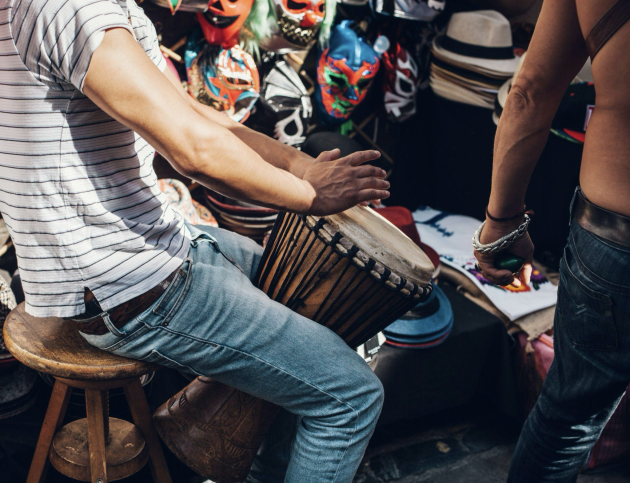
The Caribbean side of the story is built on percussion and syncopation. Enslaved Africans brought drumming languages that survived the transatlantic crossing and settled in Cuba, Puerto Rico, the Dominican Republic, and the coastal fringes of Colombia and Venezuela. The clave, a five-stroke pattern, became the organising pulse behind much of what followed.
From this base came son cubano, rumba, plena, bomba, and eventually salsa and reggaeton. The rhythms prize interlocking parts rather than a single lead melody, so a group of drummers can carry a whole dance floor without any harmony instrument at all. That density is exactly what the Andean tradition tends to strip away.
How the Two Traditions Actually Meet
Comparison is useful, but the real story is contact. Cities like Lima and Buenos Aires drew migrants from both the mountains and the coast, and radio then pushed those sounds together whether or not the musicians intended it. Cumbia is the clearest meeting point: born on Colombia’s Caribbean coast with African-rooted percussion, it travelled inland and picked up Andean melodic phrasing, spawning chicha and Peruvian cumbia that blend both worlds openly.
Readers who follow this music often listen while doing something else. Some adult fans in Canada keep a game or a friendly wager running in the background, often consulting a guide to top-rated online casinos in Canada to check which platforms are properly licensed before signing up.
Contrasting the Core Elements
The table below sets the two traditions against each other on the features that most shape how they sound:
| Feature | Andean Folk | Afro-Caribbean |
| Lead voice | Melodic flutes and charango | Layered percussion |
| Core pattern | Pentatonic huayno | Clave syncopation |
| Feel | Wistful and open | Dense and driving |
| Modern heir | Chicha and folk revival | Salsa and reggaeton |
The takeaway is that melody leads in the highlands while rhythm leads on the coast, and cumbia is where those priorities balance.
Where to Start Listening
For anyone wanting to hear the fusion clearly, a short listening path works better than a long history lesson. Try these entry points in order:
- A Los Kjarkas track for pure Andean melody.
- A classic son cubano recording for Caribbean rhythm.
- A Peruvian chicha number to hear both worlds combined.
Follow that sequence, and the shared DNA between the two traditions becomes obvious within about fifteen minutes of listening.
Why This Fusion Still Matters Today
The blend of highland melody and coastal rhythm continues to feed new genres across the Americas. Reggaeton, the most exported Latin sound of the past decade, sits on Afro-Caribbean rhythmic foundations, while folk revival acts keep the Andean voice alive in festivals from Cusco to Toronto.
For listeners far from the source, the lesson is simple. These are not museum pieces frozen in place. They are living traditions that keep borrowing from each other, and every new hybrid on the radio carries traces of both the mountain flute and the coastal drum.
Follow Sounds and Colours: Facebook / Twitter / Instagram / Mixcloud / Soundcloud / Bandcamp
Subscribe to the Sounds and Colours Newsletter for regular updates, news and competitions bringing the best of Latin American culture direct to your Inbox.