

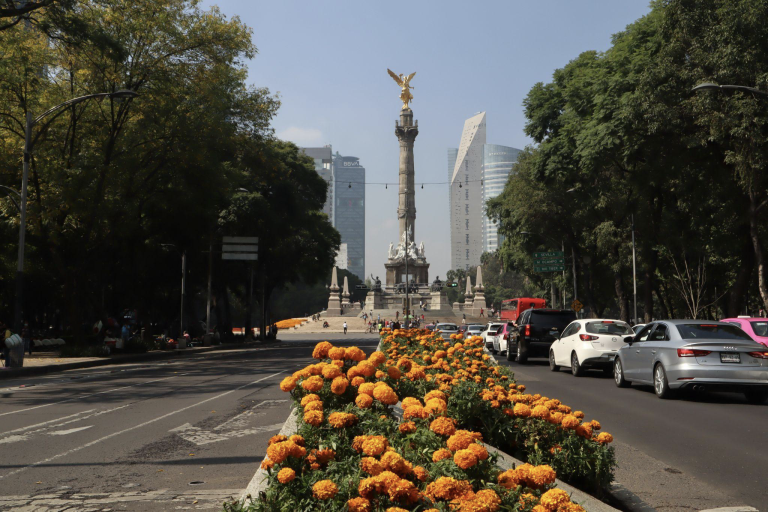
Planning a Latin American City Break? Leave Room for Design, Food, and Local Shopping
08 September, 2026A city break is easy to overpack before it even begins.
You start with a list of landmarks, add a few restaurants you saw online, throw in a market, a museum, a rooftop, and a neighborhood everyone says you “have to” visit, and suddenly the trip looks less like a break and more like a timed challenge.
Latin American cities rarely reward that kind of rushed approach. Some of the best moments come from letting the day open up gradually: wandering into a beautifully designed café, stopping longer than expected over lunch, stepping into a small shop you did not plan to visit, or finding a street that feels more memorable than the attraction you originally marked on the map.
That is why the best city breaks in the region often feel balanced rather than packed. You want enough structure to make the most of the trip, but enough freedom to enjoy what the city is already offering around you.
Start With the Places That Make the City Feel Distinct
A memorable city break usually starts with atmosphere, not logistics.
Before filling the schedule with too many major stops, think about what makes the city feel visually different from somewhere else. In many Latin American destinations, that could be color, tilework, balconies, courtyards, historic facades, boutique hotels, design-led cafés, or interiors that mix old architectural character with more contemporary styling.
That design perspective can shape the whole trip. People who enjoy paying attention to interiors, textures, and decorative details often notice how much a room or public space contributes to the travel experience, whether that means hotel lounges, restaurant dining rooms, or shops selling home pieces such as velvet wallpaper online.
You do not need to turn the trip into a strict architecture tour. It is simply worth leaving room for the visual side of the city, because those details often become part of what you remember most.
A breakfast spot with beautiful walls, a courtyard with patterned floors, or a small concept store with a distinctive interior can give the day just as much character as a famous landmark.
Build the Day Around One Neighborhood at a Time
Trying to cross a large city multiple times in one day is one of the quickest ways to make a trip feel tiring.
A better approach is choosing one neighborhood or one connected area and letting the day grow from there. Start with coffee, then walk, then stop for lunch, then browse a few shops, then decide whether the afternoon calls for a museum, a rooftop drink, or simply more wandering.
This works especially well in Latin American cities because many neighborhoods have strong personalities of their own. One area may feel historic and elegant, another creative and independent, another food-focused, and another more polished or fashion-led.
By slowing down in one part of the city, you notice more. You are not just checking off locations. You start noticing storefronts, side streets, hidden courtyards, local routines, and the way the area changes from morning into evening.
It also makes the trip feel more relaxed. Instead of constantly thinking about where you need to go next, you can pay attention to where you already are.
Let Local Shopping Be Part of the Experience, Not an Errand
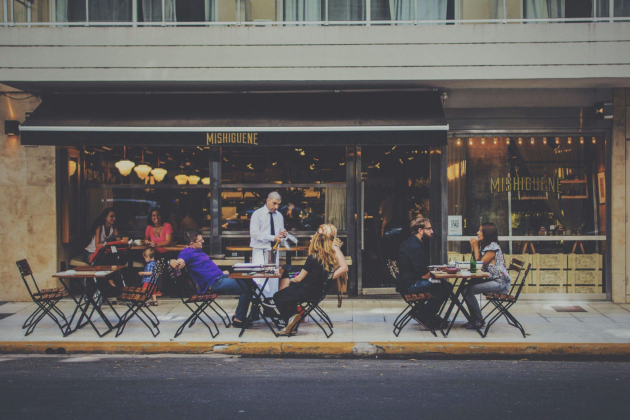
Shopping on a city break is often treated as something to fit in at the end, but in the right city it can shape the day in a much more enjoyable way.
The best local shopping usually tells you something about the place. It might be a compact fashion boutique, a watch shop, a design store, a market stall with handmade goods, or a well-curated retail space that reflects local taste more clearly than any guidebook summary could.
That is why it can be worth making time for more intentional browsing rather than only rushing into shops when you need something. Travellers who appreciate accessories and classic pieces may enjoy exploring options through stores such as Watch Connection alongside whatever local finds the trip brings into view.
What matters is the rhythm of it. Shopping works best when it is woven naturally into a day of walking, eating, and exploring rather than treated like a separate mission.
A few carefully chosen stops can give the afternoon more variety, especially if you are traveling with someone who enjoys style, design, or collecting pieces that feel connected to the trip.
Use Food Stops to Slow the Trip Down
Food is often one of the main reasons people choose a Latin American city break in the first place, and rightly so.
The challenge is not finding somewhere to eat. It is resisting the urge to turn every meal into another rushed reservation between activities.
Leave enough room for one longer lunch or one dinner that becomes the event of the evening. A city feels very different when you give yourself time to sit, order properly, share dishes, and enjoy the setting instead of treating meals as practical fuel between stops.
This also makes it easier to follow local recommendations as the day unfolds. You might discover a bakery in the morning and return later, or hear about a restaurant from a shop owner and decide to go that evening.
Street food, small cafés, casual lunch spots, and more polished dining rooms can all have their place in the same trip. The point is not to chase the longest list. It is to build a day where meals actually help define the experience.
When food is given enough space, the whole city break tends to feel less hurried and more memorable.
Leave Time for Unplanned Design and Cultural Stops
Some of the best travel decisions happen because you did not overplan.
You pass a gallery and decide to go in. You see a bookstore with a beautiful interior and spend twenty minutes there. A courtyard restaurant catches your eye. A local market turns out to be worth more time than expected. A hotel lobby bar becomes the perfect late-afternoon stop before dinner.
These moments only happen when the itinerary leaves room for them.
That flexibility is especially important in cities where design, culture, and daily life overlap so naturally. You may not always know in advance which stop will become your favorite part of the day. Sometimes it is not the museum itself, but the street leading to it. Sometimes it is not the planned dinner, but the place where you stopped for a drink beforehand.
Overplanning can flatten those possibilities.
A city break should still have shape, of course. But it should not be so full that there is no space for the city to surprise you.
End the Day Somewhere That Feels Worth Lingering In
A good city day deserves a proper ending.
That does not necessarily mean the most expensive dinner reservation or the busiest rooftop in town. It simply means finishing somewhere that suits the tone of the day. After exploring, eating well, and browsing local shops, the evening should feel like a continuation of the experience rather than a race to squeeze in one last attraction.
Maybe that means a quiet dinner in a beautiful neighborhood. Maybe it is a terrace drink and a late meal. Maybe it is a restaurant chosen as much for its atmosphere as its menu.
The best Latin American city breaks rarely come from doing the most. They come from getting the balance right: a little design, enough good food, time to explore local shopping, and enough flexibility to enjoy whatever the day becomes.
When you leave room for those things, the city starts to feel less like a checklist and more like a place you actually got to experience.
Follow Sounds and Colours: Facebook / Twitter / Instagram / Mixcloud / Soundcloud / Bandcamp
Subscribe to the Sounds and Colours Newsletter for regular updates, news and competitions bringing the best of Latin American culture direct to your Inbox.