

The Details Worth Paying Attention to When You Travel Through Latin America
08 September, 2026Latin America rewards travellers who notice more than the major attractions. The famous beaches, archaeological sites, historic centres, and dramatic landscapes may determine the route, but much of what makes a trip memorable happens between those headline experiences.
Architecture changes from one neighborhood to another. Breakfast varies as you cross a border. A bus journey that looks straightforward on a map may take most of the day. Even the rhythm of an evening can be completely different from what you expected.
Paying attention to those smaller details can make traveling through the region easier, richer, and much more interesting.
Look Beyond the Facade When Exploring Historic Buildings
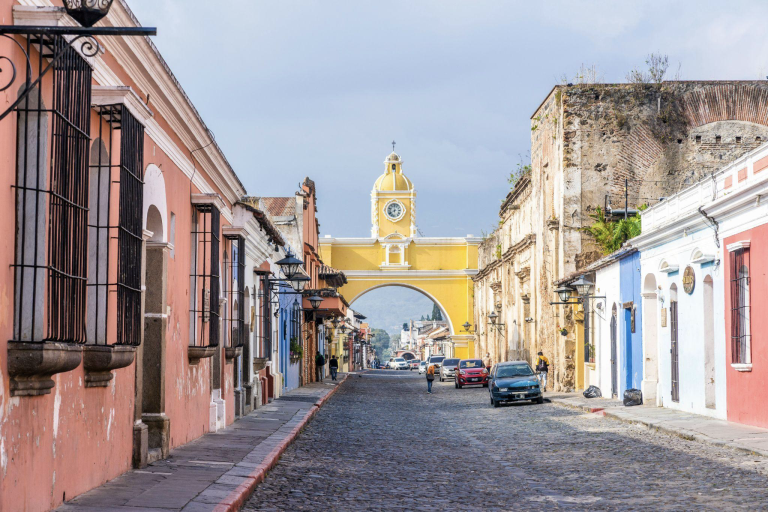
Latin America’s architectural character is not limited to grand cathedrals and famous government buildings. Some of the most interesting details are found inside older homes, hotels, restaurants, cafés, and converted colonial properties.
Look at tiled floors, internal courtyards, carved doors, shutters, textiles, painted walls, and the patterns used throughout the interiors. Decorative styles often reveal how different periods and influences have accumulated rather than replacing one another completely.
If those interiors inspire ideas for your own home, patterns such as vintage floral wallpaper can capture some of the layered, expressive character that makes older spaces so enjoyable to explore.
Instead of photographing only the exterior of an interesting building, pay attention to the smaller design choices inside. They can tell you just as much about the atmosphere of a place.
Learn the Local Rhythm Before Planning Every Hour
A schedule that works perfectly in one destination may feel completely wrong in another.
Meal times, opening hours, nightlife, afternoon breaks, weekend activity, and the general pace of a city can vary considerably. Rather than forcing your normal daily schedule onto every destination, observe how the place operates.
This is particularly helpful with food.
Markets may be at their liveliest early in the morning, while certain restaurants become busy much later than you expect. A town that feels quiet during the afternoon may suddenly become lively once temperatures fall and people return to plazas, restaurants, and streets in the evening.
Leave some flexibility during your first day somewhere new. Once you understand the local rhythm, planning the remaining days becomes much easier.
Pay Attention to What People Actually Eat Between Meals
Restaurant meals provide only one view of a destination’s food culture.
Markets, bakeries, roadside stands, small shops, and neighborhood vendors can reveal what people eat during ordinary days. Fruit, nuts, pastries, breads, sweets, and regional snacks are particularly easy to explore while traveling because you do not need to organize an entire meal around them.
Travel can also make you appreciate familiar ingredients differently. A company such as Millican Pecan reflects how a single ingredient can become closely associated with regional food traditions, and throughout Latin America you will encounter similar connections involving cacao, coffee, corn, tropical fruits, nuts, chilies, and countless local specialties.
Try things you recognize as well as things you do not. Comparing familiar ingredients prepared differently can be just as interesting as discovering something entirely new.
Don’t Underestimate Travel Time Between Stops
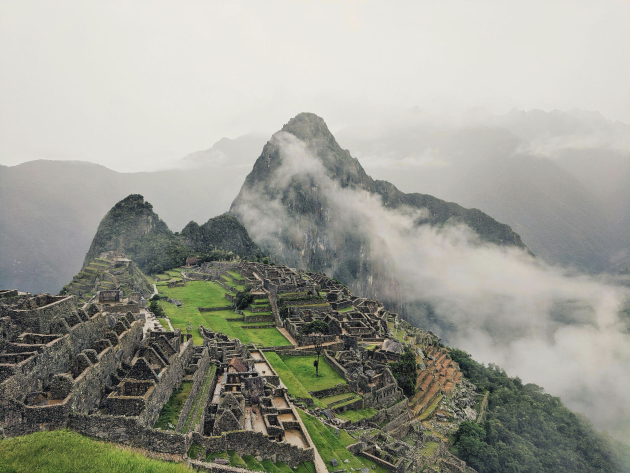
Latin America looks deceptively manageable when you plan a route by looking only at distances on a map.
Mountains, border crossings, road conditions, ferry schedules, traffic, and limited transport connections can turn a relatively short distance into a long travel day.
Avoid building an itinerary that depends on every transfer going perfectly.
If you arrive in a new city late at night and leave again early the following morning, you have technically added another destination without really experiencing it. Fewer stops with more time in each place often produce a better trip.
This matters even more when combining countries. Flights can save time on longer routes, while buses may make much more sense regionally. Research the actual journey rather than assuming distance alone will tell you which option is easiest.
A spare afternoon in the schedule can be far more valuable than squeezing in another rushed destination.
Notice How Quickly the Climate Can Change
Packing for “Latin America” is almost meaningless because the region contains an enormous range of climates.
A trip can move from humid tropical heat to cool high-altitude evenings surprisingly quickly. Coastal conditions may bear little resemblance to those in the mountains, even within the same country.
Altitude deserves particular attention.
Places such as Mexico City, Bogotá, Quito, Cusco, and La Paz can feel very different from lower destinations. Give yourself time to adjust when necessary and avoid planning your most demanding activities immediately after arriving at significant elevation.
Layers are often more useful than packing only for the warmest weather you expect.
Also check conditions for the specific region rather than relying on broad seasonal assumptions. Rainy periods, dry seasons, temperatures, and local weather patterns can differ significantly across relatively short distances.
Use Local Recommendations for the Smaller Stops
Guidebooks and travel sites are excellent for identifying major attractions, but local conversations often improve the spaces between them.
Ask where someone would go for breakfast, which nearby neighborhood is enjoyable for an evening walk, or whether there is a market worth visiting. Hotel staff, café owners, guides, drivers, and other people you meet can point you toward places that would never have made your original itinerary.
Keep the questions specific.
“What should I do here?” is difficult to answer. “Where would you go for lunch around here?” or “Is there somewhere good to watch the sunset that isn’t too far away?” usually produces much more useful suggestions.
You do not need to abandon your planned itinerary. Just leave enough room for recommendations to change a morning or afternoon occasionally.
Those unplanned detours often become the stories you tell afterward.
Let Each Destination Feel Different
When traveling through several Latin American countries, it is easy to begin treating the trip as one continuous experience.
Resist that.
Mexico is not Colombia. Colombia is not Peru. Peru is not Argentina. Even within individual countries, regions can differ dramatically in food, language, climate, architecture, music, and everyday life.
Avoid constantly judging each new place against the previous one.
Instead, notice what changes. Listen for different accents and vocabulary. Look at how public spaces are used. Try regional dishes rather than repeatedly ordering something familiar. Pay attention to what people wear, when streets become busy, and what appears on local menus.
The more destinations you visit, the more valuable these small observations become.
Major attractions may provide the photographs everyone recognizes, but the details give a journey its texture. Slow down enough to notice them, and traveling through Latin America becomes much more than moving from one famous place to the next.
Follow Sounds and Colours: Facebook / Twitter / Instagram / Mixcloud / Soundcloud / Bandcamp
Subscribe to the Sounds and Colours Newsletter for regular updates, news and competitions bringing the best of Latin American culture direct to your Inbox.