

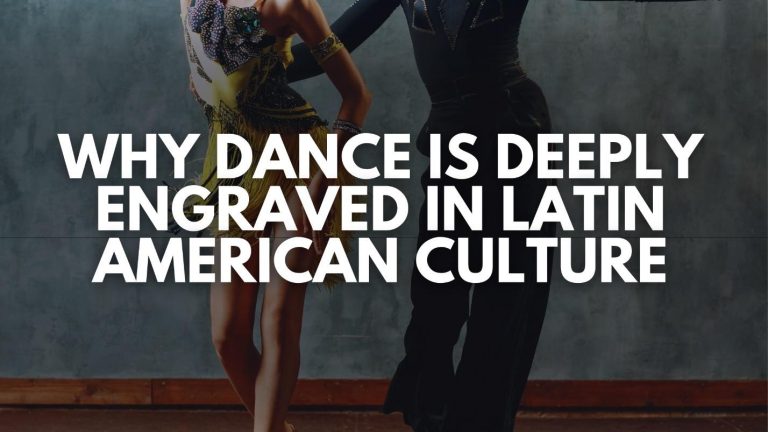
Why Dance Is Deeply Engraved in Latin American Culture
05 June, 2026Latin America is a region known for its vibrant traditions, colourful celebrations, and strong sense of community. Among its many cultural treasures, dance stands out as one of the most recognizable and influential expressions of identity. From the energetic rhythms of salsa in Cuba to the passionate movements of tango in Argentina and the lively beats of samba in Brazil, dance is woven into everyday life across the region.
But why is dance so deeply engraved in Latin American culture? The answer lies in a rich blend of history, heritage, music, and social connection that has evolved over centuries. Much like how communities gather around shared entertainment platforms such as GameZone and Jili today, dance has long served as a unifying force that brings people together across generations.
The Historical Roots of Latin American Dance
The origins of Latin American dance can be traced back to a unique mixture of Indigenous, African, and European influences. Before European colonization, Indigenous communities throughout Central and South America used dance as part of religious ceremonies, storytelling traditions, and communal gatherings.
When Spanish and Portuguese colonizers arrived, they brought their own musical styles, instruments, and social dances. At the same time, millions of Africans were forcibly brought to the Americas through the transatlantic slave trade. These African communities preserved many of their rhythmic traditions and movement styles despite immense hardship.
Over time, these diverse influences blended together, creating entirely new dance forms. Salsa, samba, merengue, bachata, cumbia, and tango all emerged from this cultural fusion. Each dance tells a story of resilience, adaptation, and cultural exchange.
Today, these dance traditions remain an important part of national identities throughout Latin America.
Dance as a Form of Cultural Expression
Dance in Latin America goes far beyond entertainment. It serves as a powerful form of cultural expression that allows people to communicate emotions, values, and traditions.
Many dances reflect local histories and social experiences. Tango, for example, emerged from the working-class neighborhoods of Buenos Aires and became a symbol of passion, longing, and romance. Samba reflects Brazil’s African heritage and serves as a centerpiece of the country’s famous Carnival celebrations.
Unlike many cultures where dance may be reserved for professional performers, Latin American societies often view dance as something everyone can participate in. Family gatherings, community festivals, weddings, and public celebrations frequently feature dancing as a central activity.
This accessibility helps preserve cultural traditions and ensures that younger generations continue learning the dances of their ancestors.
Music and Dance Are Inseparable
One of the reasons dance remains so prominent in Latin American culture is the region’s deep connection to music. Rhythmic expression is a fundamental aspect of daily life, and dance naturally accompanies musical traditions.
Whether it’s the upbeat tempo of salsa, the sensual rhythms of bachata, or the powerful percussion of samba, music encourages movement and participation. In many Latin American countries, children grow up surrounded by music at home, in schools, and during community events.
This constant exposure creates a natural relationship between music and dance. People often learn dance informally through observation and participation rather than through structured lessons.
In a similar way that modern entertainment platforms such as GameZone and Jili engage users through interactive experiences, traditional Latin American music invites people to become active participants rather than passive observers.
Strengthening Community Bonds
Community plays a vital role in Latin American societies, and dance serves as an important tool for building and maintaining social connections.
Dance events create opportunities for people to interact, celebrate milestones, and strengthen relationships. Whether it is a neighborhood festival, a religious celebration, or a national holiday, dancing often brings entire communities together.
Group dances encourage cooperation, communication, and shared experiences. They help foster a sense of belonging and collective identity. Even in large cities, dance remains a powerful way for individuals to connect with their cultural roots and local communities.
This social aspect helps explain why dance continues to thrive despite changing lifestyles and technological advancements.
Dance During Festivals and Celebrations
Many of Latin America’s most famous festivals revolve around dance. Events such as Carnival in Brazil, Feria de Cali in Colombia, and numerous local fiestas throughout the region showcase dance as a central cultural attraction.
These celebrations often feature elaborate costumes, live music, and performances that highlight regional traditions. Participants spend months preparing routines, rehearsing choreography, and creating visual displays that honor their cultural heritage.
The enthusiasm surrounding these events demonstrates how deeply dance is embedded in the region’s collective identity. For many communities, festivals are not simply entertainment—they are opportunities to celebrate history, culture, and shared values.
The same spirit of excitement and engagement that attracts users to entertainment experiences on platforms like Jili and GameZone can also be seen in the anticipation surrounding major dance festivals.
Preserving Heritage Across Generations
Dance serves as a living connection between past and present. Parents teach their children traditional dances, ensuring that cultural knowledge continues to be passed down through generations.
Unlike written records, dance provides an experiential form of learning. Young people gain an understanding of their heritage through movement, music, and participation. This creates a stronger emotional connection to cultural traditions.
Schools, community centers, and cultural organizations throughout Latin America often offer dance programs specifically designed to preserve traditional styles. These efforts help safeguard important aspects of national and regional identity in an increasingly globalized world.
As a result, many dance forms that originated centuries ago remain vibrant and relevant today.
Dance as a Source of National Pride
Many Latin American countries view their traditional dances as symbols of national pride. Tango is closely associated with Argentina, samba is synonymous with Brazil, and salsa has become a global ambassador for Cuban culture.
These dance styles have achieved international recognition while maintaining strong ties to their places of origin. Cultural ambassadors, performers, and dance schools help introduce these traditions to audiences around the world.
The global popularity of Latin American dance has contributed to tourism, cultural exchange, and increased appreciation for the region’s artistic heritage.
Despite their international success, these dances remain deeply rooted in local communities where they continue to evolve while preserving their cultural significance.
The Enduring Legacy of Dance in Latin America
Dance is deeply engraved in Latin American culture because it represents far more than movement. It embodies history, identity, community, celebration, and resilience. Through centuries of cultural blending and adaptation, dance has become one of the region’s most powerful forms of expression.
Whether performed during grand festivals, family gatherings, or everyday celebrations, dance continues to unite people and strengthen cultural bonds. Its ability to connect generations and preserve traditions ensures that it remains a cornerstone of Latin American life.
Just as modern entertainment platforms like GameZone and Jili create spaces for people to connect and engage, dance has long served as a cultural gathering point that brings communities together. As Latin America continues to evolve, its rich dance traditions will undoubtedly remain an enduring symbol of the region’s vibrant spirit and cultural heritage.
Follow Sounds and Colours: Facebook / Twitter / Instagram / Mixcloud / Soundcloud / Bandcamp
Subscribe to the Sounds and Colours Newsletter for regular updates, news and competitions bringing the best of Latin American culture direct to your Inbox.