

Beyond the Music, The Visual Identity of Latin American Performers
22 October, 2026Latin American music has become a powerful influence on global entertainment, with performers reaching international audiences through distinctive sounds, unforgettable performances, and carefully developed visual identities. From reggaeton and Latin pop to regional Mexican music and contemporary urban genres, artists increasingly use fashion, beauty, and personal styling to communicate who they are.
The relationship between music and appearance is particularly important in an industry shaped by social media, music videos, and live performances. A recognizable hairstyle, dramatic makeup look, or signature outfit can become closely associated with an artist’s public image.
For Latin American performers, visual presentation often reflects a combination of cultural heritage, individual creativity, and international fashion influences. Understanding these choices reveals how appearance contributes to storytelling, strengthens audience connections, and helps musicians establish lasting identities in an increasingly competitive entertainment industry.
Stage Makeup Helps Artists Create Recognizable Identities
Makeup has become an important part of visual storytelling for many Latin American performers. From elaborate concert looks to carefully styled music video appearances, beauty choices help artists communicate different aspects of their personalities.
Performers such as Karol G and Becky G have embraced distinctive beauty aesthetics that complement their musical identities. Changes in eye makeup, hairstyles, and color palettes can also signal new creative chapters.
Eye makeup is particularly effective under dramatic stage lighting. False eyelashes, eyeliner, and carefully selected eyeshadow can emphasize facial expressions and create a recognizable appearance during performances.
Beauty platforms such as TAD Beauty explore practical considerations when selecting false eyelashes, including options for sensitive eyes. These details illustrate how choosing suitable beauty accessories can support both comfort and visual impact during extended performances.
Professional makeup artists often adapt products and application techniques to the demands of photography, television, and live entertainment. Their work helps create consistent visual identities across different promotional settings.
Haircare and Hairstyles Reflect Personal Expression
Hairstyles frequently become defining elements of a musician’s public image. A dramatic color change, distinctive haircut, or recognizable texture can attract attention and contribute to an artist’s evolving identity.
Latin American performers regularly experiment with different styling approaches, drawing inspiration from cultural traditions, international fashion, and contemporary streetwear.
Maintaining hair between performances is another important consideration. Touring schedules, frequent styling, and appearances under stage lighting encourage many artists to develop consistent personal care routines.
Interest in different cleansing ingredients has also introduced questions such as is goat milk soap good for your hair. Exploring traditional ingredients and their applications in haircare reflects the wider interest in personalized beauty routines and the relationship between grooming products and individual preferences.
For performers, haircare is closely connected to styling versatility. Maintaining familiar routines makes it easier to prepare for promotional appearances, photo shoots, and concerts.
A distinctive hairstyle can become a powerful form of recognition, allowing audiences to identify an artist even before hearing a song.
Fashion Connects Latin American Music With Global Culture
Fashion has always played an important role in popular music, but Latin American performers have expanded its influence through international collaborations and distinctive personal styles.
Bad Bunny, for example, has attracted attention for experimenting with unconventional silhouettes, bold accessories, and clothing that challenges traditional expectations of men’s fashion.
Other artists combine luxury designer pieces with streetwear, sportswear, or clothing inspired by regional cultural traditions.
These choices help musicians establish identities that extend beyond their recordings.
Fashion also provides opportunities to communicate artistic themes. A performer might adopt futuristic clothing for an electronic-inspired project or emphasize nostalgic styles when exploring earlier musical influences.
As Latin American music continues reaching international audiences, the relationship between performers and fashion brands has become an increasingly visible part of the entertainment industry.
Music Videos Turn Visual Style Into Storytelling
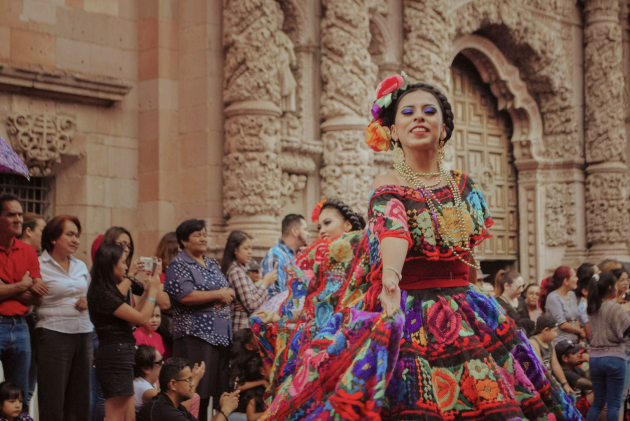
Music videos provide an opportunity for performers to develop visual concepts that complement their songs.
Costumes, makeup, hairstyles, lighting, and locations all contribute to the atmosphere of a production. These elements can communicate emotions and narratives that extend beyond the lyrics.
Latin American artists frequently incorporate vibrant colors, elaborate choreography, and cinematic imagery into their videos.
Some productions draw inspiration from urban environments, while others emphasize landscapes, architectural traditions, or imaginative studio settings.
Creative directors and stylists work with musicians to establish consistent visual themes throughout these projects.
A successful music video can introduce signature looks that audiences later associate with an album or a particular period in an artist’s career.
Visual storytelling therefore becomes part of how music is remembered, discussed, and shared across digital platforms.
Cultural Heritage Influences Modern Performance Aesthetics
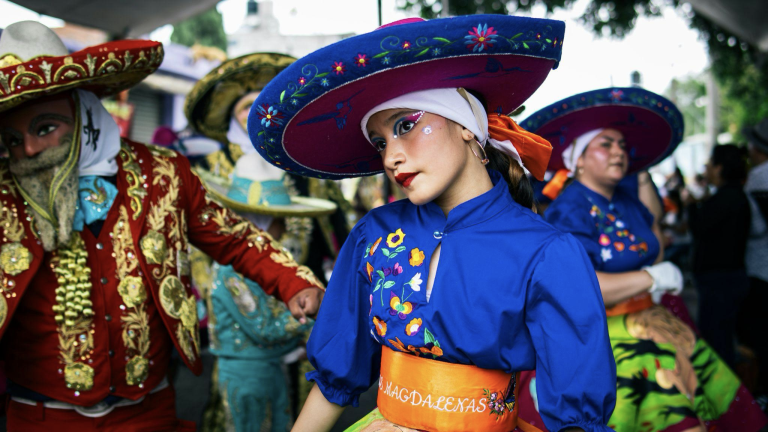
Latin America encompasses a wide variety of cultural traditions, artistic movements, and regional identities. These influences frequently appear in performers’ clothing, accessories, hairstyles, and stage designs.
Traditional textiles, embroidery, jewelry, and distinctive color combinations can provide inspiration for contemporary fashion.
Regional Mexican performers, for example, may incorporate cowboy boots, hats, and tailored stage outfits that reflect recognizable elements of their musical heritage.
Artists working in urban genres may combine international fashion influences with visual references to their hometowns and communities.
These creative choices allow performers to celebrate cultural connections while developing individual styles.
The result is a diverse visual landscape that reflects both regional identity and the increasingly international character of Latin American entertainment.
Social Media Makes Artist Style More Influential
Social media has expanded the impact of musicians’ visual identities by making their appearances accessible far beyond concerts and music videos.
Instagram, TikTok, and other platforms allow performers to share backstage photographs, everyday outfits, beauty preparations, and glimpses of their personal lives.
Fans can discover styling details almost immediately and recreate looks inspired by their favorite artists.
A particular hairstyle or makeup technique may gain recognition through a brief video before appearing in wider fashion and beauty discussions.
This interaction also encourages performers to maintain recognizable aesthetics across different digital platforms.
However, social media gives artists opportunities to experiment with more casual presentations alongside their professionally styled appearances.
The combination of polished imagery and spontaneous content helps audiences develop a broader understanding of an artist’s personality.
Visual Identity Has Become Part of Musical Success
A strong visual identity can help performers distinguish themselves in an entertainment industry where audiences encounter enormous amounts of content every day.
Recognizable styling makes promotional photographs, album artwork, stage performances, and social media content feel connected.
For Latin American artists reaching audiences across different countries, visual presentation can communicate personality and cultural influences even when listeners speak different languages.
Creative teams increasingly coordinate fashion, beauty, photography, and stage design to develop consistent artistic concepts.
These decisions also create opportunities for collaborations with designers, beauty professionals, and international brands.
Ultimately, the success of Latin American performers reflects a combination of musical talent, cultural expression, and thoughtful presentation. Makeup, hairstyles, clothing, and visual storytelling allow artists to communicate identities that audiences recognize and remember.
As Latin American music continues influencing global popular culture, the visual creativity surrounding its performers will remain an important part of how their artistic stories are shared with the world.
Follow Sounds and Colours: Facebook / Twitter / Instagram / Mixcloud / Soundcloud / Bandcamp
Subscribe to the Sounds and Colours Newsletter for regular updates, news and competitions bringing the best of Latin American culture direct to your Inbox.