


Football, Cricket, and Baseball: Mapping the Dominant Sport in Every Latin American and Caribbean Country
20 July, 2026Travel from Mexico City to Havana and then on to Kingston, and you will notice something remarkable long before landing. The flags change, the food changes, and so does the sport that dominates radio broadcasts, schoolyard debates, bets, and Sunday afternoons. Across a region often treated as a single cultural bloc, three very different games have each claimed their own territory.
Football rules the mainland almost without exception. Baseball has built a fortress across parts of the northern Caribbean and Central America. Cricket, meanwhile, still commands deep loyalty across the English-speaking islands, even as football chips away at its audience among younger fans.
Understanding why these divisions exist requires looking past modern league tables and into a history shaped by colonization, migration, and decades of grassroots investment. The pattern that emerged centuries ago still shapes what children play in the street today.
Football’s Overwhelming Grip on the Mainland
Anyone following results across Brazil, Argentina, Colombia, or Mexico and tracking odds through online sports betting quickly notices how completely football dominates conversation in these countries. National leagues draw enormous television audiences, and success at continental tournaments like the Copa America can shape a country’s mood for weeks. This dominance extends from Chile and Peru through Ecuador and Bolivia as well.
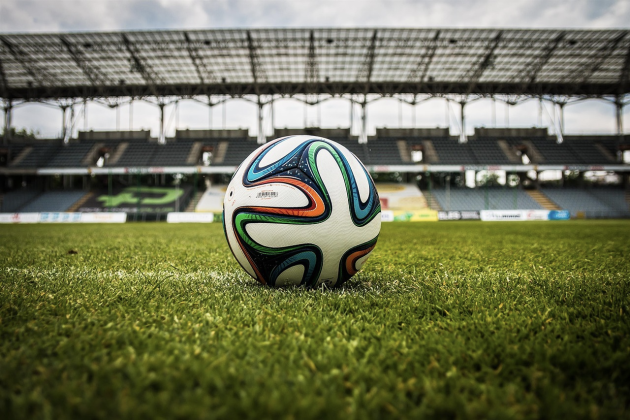
Uruguay and Paraguay follow the same pattern, with football woven into national identity through World Cup history and continental club competitions. Venezuela sits closer to the border between football and baseball, a point worth revisiting later.
Where Football Reigns Without Question
Honduras, El Salvador, Guatemala, and Costa Rica all treat football as their primary national sport, with domestic leagues and World Cup qualification campaigns generating intense public interest. Haiti follows this same pattern despite its distinct colonial and linguistic history within the Caribbean.
The Exceptions Within Football-Dominated Territory
Panama and Nicaragua break from their Central American neighbors, favoring baseball as their leading sport due to strong historical ties to American workers and Cuban migration. Football is growing quickly in both countries, but baseball still holds the deeper cultural roots for now.
Mexico offers its own internal exception worth noting. While football dominates nationally beyond any real challenge, northern states such as Sonora and Sinaloa have long maintained passionate baseball followings tied to winter league play and proximity to the United States. These regional pockets rarely threaten football’s national grip, but they show how sporting loyalty can shift even within a single country.
Baseball’s Stronghold in the Northern Caribbean
Baseball tells a very different story, one closely tied to American economic and military presence throughout the twentieth century. Cuba adopted the sport in the nineteenth century, and it later spread through Cuban migration, American occupation, and shared professional leagues across several neighboring nations.
Cuba, the Dominican Republic, and Venezuela
Cuba and the Dominican Republic remain the clearest examples of baseball as a genuine national obsession. Venezuela shares the heritage as well, even though football has gained significant ground there in recent decades. Many Venezuelans still consider the sport closest to their national identity, particularly in regions with strong oil industry ties to earlier American influence.
Puerto Rico and Central America’s Pockets
Puerto Rico maintains a similar tradition, shaped by decades of American governance and shared league structures. Nicaragua and Panama round out this baseball cluster as each have developed the sport through comparable historical channels rather than through Spanish colonial football culture.
The Dutch Caribbean’s Baseball Connection
Curacao and Aruba complicate the picture further. Dutch colonial ties combined with American cultural influence and shared professional pathways have produced a steady stream of talent from these islands into top-level baseball abroad. Their sporting identity leans firmly toward baseball rather than the cricket found on nearby English-speaking islands.
Cricket’s Home in the English-Speaking Caribbean
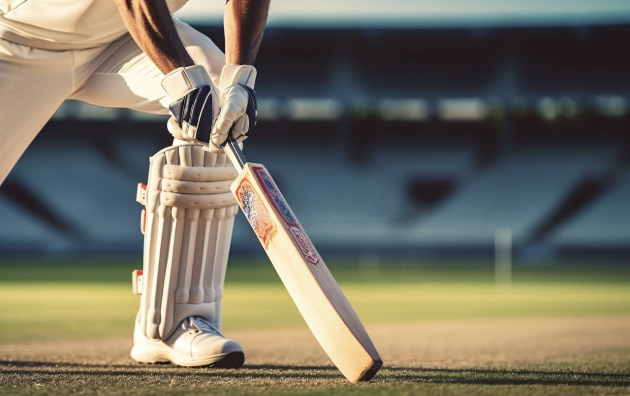
Cricket occupies a category entirely of its own, tied almost exclusively to islands that were once part of the British Empire. Jamaica, Trinidad and Tobago, Barbados, and Guyana have all produced cricket talent recognized well beyond the region.
These nations famously compete together under a single regional team known as the West Indies, one of cricket’s most historically successful sides. Shared stadiums, shared broadcasts, and a shared cricketing calendar have kept the sport central to daily life across these islands for generations, even as individual countries maintain separate identities in almost every other respect.
What the Betting Markets Reveal
Betting coverage across the region mirrors these sporting divides almost exactly. Football generates the deepest and most liquid markets, with odds available on nearly every domestic match across Brazil, Argentina, and Mexico. Baseball draws a smaller yet dedicated betting audience in Cuba, the Dominican Republic, and Venezuela, especially during winter league playoffs and the Caribbean Series.
Cricket sits at the opposite end of that scale, with attention concentrated almost entirely around West Indies test matches and major limited overs tournaments. Wherever a sport commands a nation’s daily attention, the betting markets built around it tend to follow and grow heaviest whenever the stakes rise highest.
Follow Sounds and Colours: Facebook / Twitter / Instagram / Mixcloud / Soundcloud / Bandcamp
Subscribe to the Sounds and Colours Newsletter for regular updates, news and competitions bringing the best of Latin American culture direct to your Inbox.