

How Caribbean Filmmakers Are Challenging the Tourism Industry’s Idealized Image of Island Life
24 July, 2026Tourism advertising often presents the Caribbean as a permanent holiday scene. That image sells trips, but it removes much of everyday life. Local filmmakers answer with stories about work, housing, politics, migration, environmental damage, and coastal access.
The World Bank says tourism contributes more than 22% of regional GDP and supports nearly 2.75 million jobs, while the Caribbean Tourism Organization estimated 34.2 million international arrivals in 2024. On the same digital feeds, users may search for the best online slots, consider real money games, press a view here, and then encounter a glossy island trailer built around beaches, cocktails, and smiling service workers. Filmmakers interrupt that sequence by asking viewers to see islands as homes rather than products.
Replacing the Tourist Gaze with Resident Viewpoints
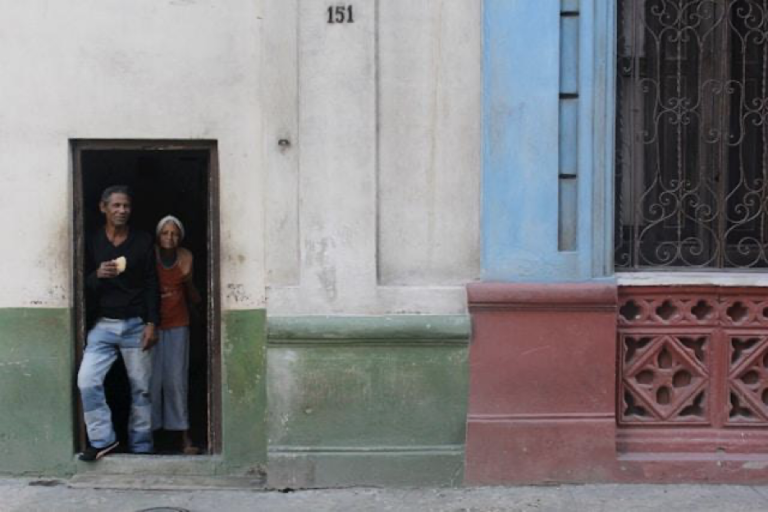
The tourist gaze means seeing a place mainly through what visitors expect to enjoy. In Caribbean advertising, that often means scenery without history and service without visible labour. Resident filmmakers reverse the viewpoint. Their cameras enter neighbourhoods, kitchens, buses, farms, and crowded streets shaped by local priorities.
- Freda, directed by Haitian filmmaker Géssica Généus, follows a young woman in a working-class area of Port-au-Prince as she faces insecurity, family conflict, and questions about remaining in Haiti.
- Bantú Mama, directed by Dominican filmmaker Ivan Herrera, moves through Capotillo in Santo Domingo and treats the neighbourhood as a living community rather than an anonymous zone of poverty.
- Kingston Paradise, directed by Jamaican filmmaker Mary Wells, places a painted beach scene inside a difficult urban story, turning paradise into a symbol of distance and frustrated hope.
Showing Who Pays for Paradise
Esther Figueroa’s documentary Jamaica for Sale offers one of the clearest challenges to resort marketing. The film examines large tourism developments through hotel workers, fishermen, small operators, environmental campaigners, and residents losing access to beaches. Instead of treating every resort as progress, it asks what happens to wages, land, reefs, mangroves, and nearby communities.
This approach changes the main questions surrounding tourism:
- Who can still reach a beach after construction?
- Who owns the land and controls development decisions?
- Which jobs are stable, well paid, and locally managed?
- Where do profits go after visitors leave?
The Barbadian short Guttaperc explores a related conflict. Its village faces plans for a tourist resort on local land. By telling the issue through a child and an older resident, the film connects development with memory, folklore, and belonging. The land already carries history.
Making Beauty and Harm Share the Same Frame
Some filmmakers keep the attractive landscape visible while placing difficult experiences inside it. Gibrey Allen’s Right Near the Beach uses striking Jamaican scenery while exploring grief, secrecy, and homophobia after the killing of a celebrated athlete. The setting cannot protect the characters from social prejudice.
Vashti Anderson’s Moko Jumbie uses a Trinidadian coconut estate, a fishing community, political tension, and ancestral spirits. The landscape remains attractive, but it is also shaped by family authority, race, history, and unresolved divisions.
The experimental work Islands makes the argument more directly. It deconstructs an older John Huston film and asks whether audiences can truly see the Caribbean when tourism and outside lenses already shape their vision. That question also applies to advertising and social media clips.
Using Language, Memory, and Ordinary Time
Tourism campaigns prefer images that can be understood immediately. Local cinema often slows the viewer down. It allows conversations to unfold in Creole, Spanish, French, English, or local speech patterns. It gives space to family jokes, religious practices, music, traffic, and waiting.
These details return complexity to people often shown as cheerful workers, entertainers, or background figures. A hotel advertisement may show a bartender for a few seconds, and a local film can show that person as a parent, voter, tenant, musician, or migrant with conflicting responsibilities.
Films like Freda also question the idea that leaving the island is the only serious response to hardship. Characters can move, stay, come back or migrate to places. Caribbean life seems linked to diaspora networks, colonial history and global economics rather than closed in an island paradise.
Creating a More Honest Tourism Conversation
These films are not necessarily arguments against tourism. Many examine an industry that provides essential income while questioning who receives its benefits and who absorbs its costs.
A more credible tourism message would include three changes:
- Hire local directors and writers from the beginning.
- Show towns, public beaches, cultural spaces, and working communities alongside resorts.
- Pay communities fairly for access, labour, stories, performances, and location knowledge.
Regional festivals and platforms are helping these stories to circulate, without waiting for foreign studios. The Trinidad and Tobago Film Festival promotes regional storytelling and CaribbeanTales provides production, training and distribution throughout the region and its diaspora.
Caribbean filmmakers are enlarging the frame to contest the idealised island image. They show nice streets, then follow residents to their homes and workplaces. Above all, they enable Caribbean people to be seen as complete characters, with memories, arguments, ambitions and control of their own stories.
Follow Sounds and Colours: Facebook / Twitter / Instagram / Mixcloud / Soundcloud / Bandcamp
Subscribe to the Sounds and Colours Newsletter for regular updates, news and competitions bringing the best of Latin American culture direct to your Inbox.