

How Latin American Fashion Turns Personal Style Into Cultural Expression
12 October, 2026Fashion in Latin America is rarely only about following trends. Across a region shaped by Indigenous traditions, European influence, African heritage, migration and strong local identities, clothing often carries meaning far beyond appearance.
That does not mean there is one recognisable “Latin American style.” Mexico, Brazil, Argentina, Colombia, Peru and the Caribbean all have very different histories, climates and visual traditions. What connects them is the way fashion often becomes a tool for showing where someone comes from, what communities they belong to and how they interpret tradition in a modern setting.
Personal style can therefore work on several levels at once. A colour, fabric, accessory or formal outfit may reflect individual taste while also carrying family, regional or cultural associations.
Accessories Can Carry Meaning Without Dominating the Outfit
Jewellery often plays a particularly useful role because it can communicate personality without requiring an entire outfit to be built around one idea. A small piece can connect contemporary clothing with family traditions, symbolic motifs or a preference for more expressive styling.
That makes accessories an easy place to combine modern fashion with personal significance. For example, https://kuverajewelry.com/ offers jewellery that can add a more individual finishing touch to an outfit, especially for people who prefer pieces with stronger character over accessories chosen simply because they are currently fashionable.
What matters is how the piece fits the person wearing it. Jewellery becomes more interesting when it feels chosen for a reason rather than added automatically.
Formal Clothing Often Reflects Community as Much as Taste
Special occasions show another side of cultural expression.
Church services, weddings, family celebrations and community gatherings often create opportunities for more deliberate dressing. In these settings, clothing can communicate respect for the occasion while still leaving room for colour, tailoring and individual personality.
For people who want formalwear that reflects both occasion and personal style, designerchurchsuits.com offers church suits and coordinated looks designed for settings where polished presentation carries social and cultural meaning.
The clothing is therefore not simply decorative. It helps define the mood and significance of the event.
Colour Is Often Used With Confidence
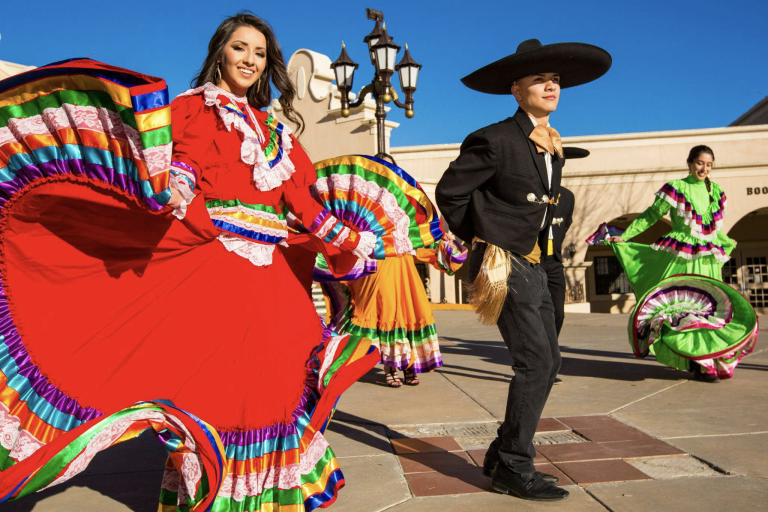
One of the most visible characteristics associated with many Latin American fashion traditions is a willingness to use strong colour.
Bright reds, greens, yellows, blues and patterned textiles can appear in everything from traditional garments to contemporary streetwear. Their impact comes from confidence rather than complexity.
Colour can also carry regional associations. Textile traditions in parts of Mexico, Guatemala, Peru and Bolivia, for example, use combinations and patterns that developed long before modern fashion cycles.
Contemporary designers often reinterpret that visual language rather than reproducing it directly.
The result is clothing that can feel modern while still acknowledging a much longer design history.
Traditional Craft Can Enter Modern Wardrobes
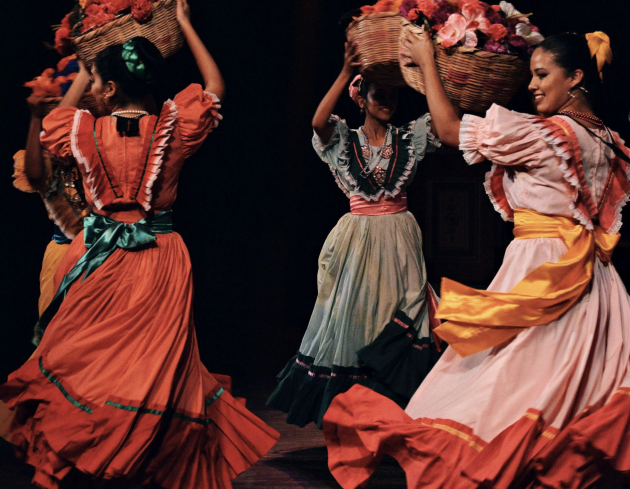
Cultural expression becomes especially visible when older techniques survive inside contemporary fashion.
Embroidery, weaving, leatherwork and handmade accessories can appear alongside modern silhouettes, denim, sneakers or minimalist basics. This allows traditional craft to remain visible without forcing the wearer into a fully traditional outfit.
That balance matters.
Heritage stays relevant when people can incorporate it into the clothes they genuinely want to wear. A handcrafted textile used as one element of a modern outfit may have more everyday cultural presence than something reserved entirely for ceremonial occasions.
Fashion becomes a bridge between preservation and change.
Climate Shapes Style More Than Trends Alone
Latin America covers everything from tropical coastlines to high-altitude cities and cooler southern regions, so practical conditions have always influenced fashion.
Lightweight fabrics, open silhouettes and breathable clothing make sense in hot climates, while mountain regions create very different demands.
This produces strong regional variation even within individual countries.
Modern fashion may circulate globally through social media, but people still adapt trends to local weather and everyday routines. A look that works in Bogotá may need to change considerably for Cartagena or Rio de Janeiro.
That adaptation helps prevent style from becoming completely uniform. Global influences arrive, but local conditions reshape them.
Fashion Can Show Both Belonging and Individuality
Clothing has an interesting dual role.
It can help someone identify with a community while also allowing them to stand apart from it.
A person may wear traditional materials in a contemporary way, combine family jewellery with modern clothing or choose formal outfits that respect an occasion while still reflecting personal taste.
This is where cultural expression becomes most dynamic.
Style is not simply inherited unchanged. Each generation decides which elements to preserve, modify or leave behind.
That ongoing reinterpretation is one reason fashion can reveal so much about cultural identity.
Personal Style Keeps Culture Moving
The most interesting fashion cultures are rarely static.
They survive because people continue using them.
Latin American style demonstrates how cultural influence can remain visible without requiring everyone to dress according to one fixed tradition. Heritage can appear through colour, craftsmanship, jewellery, formalwear or the way different elements are combined.
Personal style gives those influences room to evolve.
A garment or accessory can simultaneously reflect family history, regional identity and contemporary taste. That makes fashion more than a surface-level choice.
It becomes one of the everyday ways people decide what parts of culture they want to carry forward and how they want those traditions to look in the present.
Follow Sounds and Colours: Facebook / Twitter / Instagram / Mixcloud / Soundcloud / Bandcamp
Subscribe to the Sounds and Colours Newsletter for regular updates, news and competitions bringing the best of Latin American culture direct to your Inbox.