

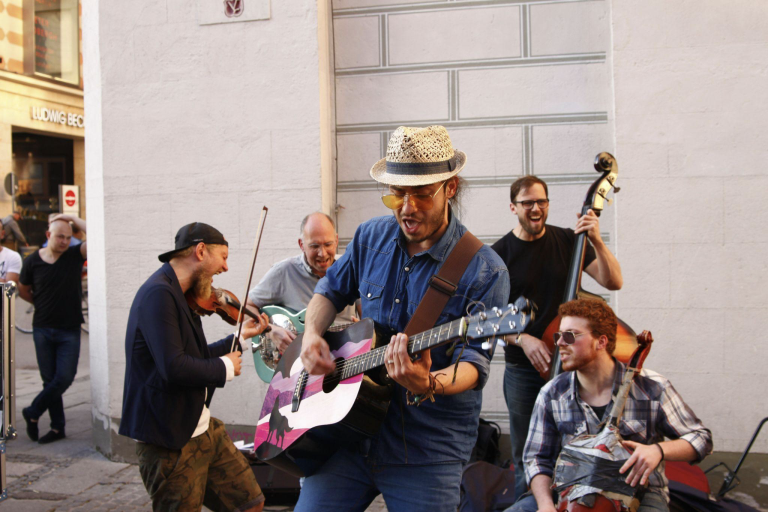
How Musicians Across Latin America Use Fashion to Build Their Identity
04 August, 2026Music has always been about more than sound. Throughout Latin America, artists use clothing to communicate culture, confidence, heritage, and individuality before a single note is played. From regional folk performers to contemporary pop stars, reggaeton artists, rock bands, and indie musicians, fashion has become an extension of artistic identity that evolves alongside musical expression.
While trends constantly change, the strongest stage wardrobes are built around authenticity rather than imitation. The clothing performers choose influences not only how audiences perceive them but also how confidently they move and perform on stage.
Knitwear Brings Heritage Into Modern Performance Style
Many musicians draw inspiration from traditional textiles and regional craftsmanship when building their stage wardrobes. Rather than relying exclusively on flashy costumes, some artists incorporate timeless knitwear and natural materials that reflect cultural influences while remaining practical for travel and changing climates.
Classic pieces such as the Aran ribbed knit sweater demonstrate how traditional craftsmanship can be adapted for contemporary fashion. Made from natural wool and inspired by generations of Irish knitting techniques, ribbed knitwear offers warmth, texture, and versatility that work equally well for acoustic performances, television appearances, or casual media interviews. Authentic wool garments are also valued for their durability and ability to maintain their shape through repeated wear.
Blending heritage-inspired garments with modern styling allows performers to create wardrobes that feel distinctive without depending entirely on seasonal fashion trends.
Fit Shapes a Performer’s Stage Presence
No matter how striking a garment looks on a hanger, poor fit quickly becomes noticeable under stage lighting. Musicians spend hours moving, playing instruments, interacting with audiences, and performing under physically demanding conditions, making comfort just as important as appearance.
Stylists frequently emphasise garments that complement natural body proportions while allowing unrestricted movement. Resources discussing best fitting t shirts often explain how thoughtful tailoring, balanced proportions, and quality construction create cleaner silhouettes that remain comfortable throughout long rehearsals and performances. Athletic-fit designs, for example, are intended to provide more room through the chest and shoulders while maintaining a tapered shape through the waist.
A properly fitted T-shirt or knit can become the foundation of an entire performance wardrobe without competing for attention.
Local Influences Keep Personal Style Authentic
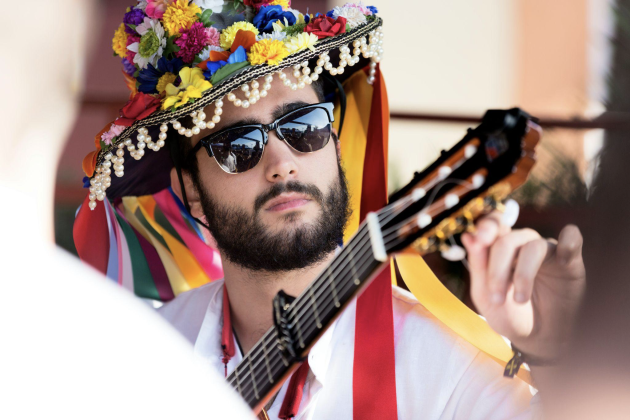
One reason Latin American artists develop memorable personal styles is their willingness to embrace local influences rather than copying international fashion outright. Traditional weaving techniques, handmade jewellery, embroidered textiles, leather craftsmanship, and regional fabrics frequently appear alongside contemporary streetwear and luxury fashion.
This balance allows musicians to create a visual identity that feels connected to their own cultural background while remaining relevant to modern audiences. Even subtle references to local craftsmanship often communicate more authenticity than wearing the latest global fashion trend without personal meaning.
Fashion becomes another creative language through which artists express where they come from and how they see themselves.
Practical Clothing Supports Better Performances
Touring places unique demands on clothing. Outfits must survive repeated packing, long travel days, changing climates, backstage quick changes, and multiple performances each week.
For this reason, experienced performers often prioritise garments that combine durability with versatility. High-quality knitwear, structured jackets, comfortable trousers, and well-made footwear can be styled differently across multiple appearances without feeling repetitive.
Breathable natural fibres also improve comfort under stage lighting, while layering pieces help musicians adapt quickly between outdoor festivals, air-conditioned venues, and overnight travel.
Building a wardrobe around adaptable essentials often proves more practical than constantly purchasing trend-driven statement pieces.
Personal Style Evolves Alongside Musical Growth
Few successful musicians keep exactly the same visual identity throughout their careers. As artists mature, experiment with new genres, or reach different audiences, their wardrobes naturally evolve as well.
The strongest style transformations tend to feel gradual because they reflect genuine artistic development rather than abrupt attempts to follow fashion trends. A performer may begin with casual streetwear, later introduce tailored garments, incorporate heritage-inspired knitwear, or experiment with bolder textures and silhouettes as their confidence grows.
Ultimately, clothing should support the music rather than overshadow it. Across Latin America, many of the most recognisable performers have shown that memorable fashion isn’t defined by expensive labels alone. It comes from understanding craftsmanship, choosing garments that fit well, respecting cultural influences, and developing a personal style that grows naturally alongside artistic expression.
Follow Sounds and Colours: Facebook / Twitter / Instagram / Mixcloud / Soundcloud / Bandcamp
Subscribe to the Sounds and Colours Newsletter for regular updates, news and competitions bringing the best of Latin American culture direct to your Inbox.