

The Cultural Importance Of Growing Your Own Plants In Latin American Communities
28 October, 2026Across Latin America, growing plants has long been more than a practical way to produce food or decorate a home. Gardening connects people to their cultural heritage, strengthens community relationships, and preserves traditions that have been passed down through generations. From small urban gardens in Mexico to family farms in the Andes, cultivating plants remains an important part of everyday life.
The region’s diverse landscapes and climates have encouraged communities to develop unique approaches to agriculture and gardening. These practices reflect local histories, environmental knowledge, and cultural values that still shape modern lifestyles. Understanding the importance of growing plants offers valuable insight into how Latin American communities relate to the natural world.
The Historical Roots Of Plant Cultivation In Latin America
Plant cultivation has played a central role in Latin American societies for thousands of years. Indigenous civilizations developed sophisticated agricultural systems that supported growing populations while adapting to challenging environmental conditions. Many of these traditional methods continue to influence farming and gardening practices today.
The Maya cultivated crops such as corn, beans, and squash using agricultural systems designed around local environmental conditions. In the Andes, Inca communities developed agricultural terraces that made farming possible on steep mountain slopes. These innovations demonstrated an understanding of soil management, water conservation, and seasonal growing patterns.
Agriculture also became closely connected to cultural identity and spiritual traditions. Certain plants were associated with ceremonies, celebrations, and traditional beliefs, making their cultivation an important part of community life. These connections helped establish a lasting respect for the relationship between people and nature.
How Gardening Helps Preserve Cultural Traditions
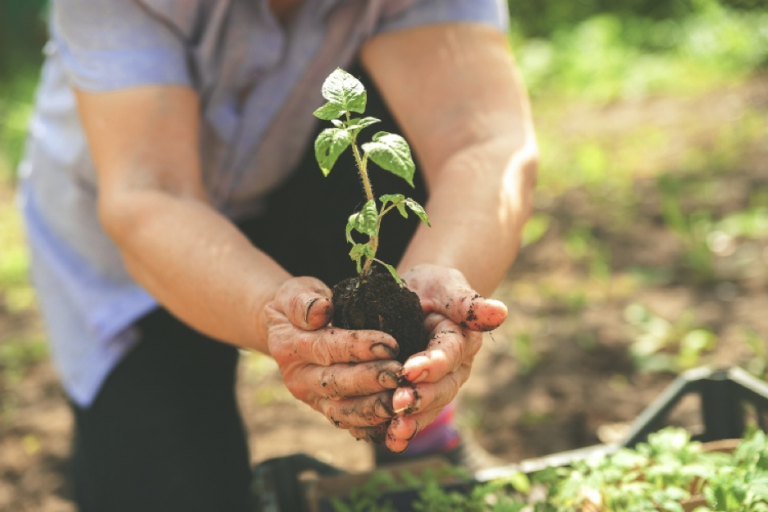
Gardening offers a meaningful way for families to stay connected to their cultural heritage. In many Latin American households, grandparents pass knowledge of planting, harvesting, and caring for crops to younger generations. These shared experiences help preserve traditional skills that might otherwise disappear.
Home gardens often include plants tied to regional cooking, traditional remedies, and family celebrations. Growing familiar ingredients allows families to maintain culinary traditions even when they move away from their hometowns. A small collection of herbs, vegetables, or fruit trees can become a powerful reminder of cultural identity.
Gardening also creates opportunities for storytelling and learning. Older family members can explain the origins of particular plants, describe traditional growing methods, and share memories connected to seasonal harvests. These conversations strengthen family relationships while keeping cultural knowledge alive.
The Role Of Community Gardens In Bringing People Together
Community gardens have become valuable gathering spaces in many Latin American cities and neighborhoods. They give residents opportunities to grow food, share resources, and build stronger relationships with their neighbors. In densely populated urban environments, these green spaces can also offer a welcome escape from busy streets.
Gardening projects often encourage cooperation between people of different ages and backgrounds. Participants exchange seeds, share tools, and offer advice on keeping plants healthy. This collaborative approach reflects the importance of collective responsibility within many communities.
Community gardens can also support educational initiatives and local food programs. Children learn where food comes from, while adults gain practical experience with sustainable growing techniques. These shared activities help create a stronger sense of belonging and neighborhood pride.
The Connection Between Plants And Latin American Cuisine
Food is one of the strongest expressions of cultural identity throughout Latin America. Many traditional dishes rely on ingredients cultivated locally for generations, including corn, peppers, beans, tomatoes, and aromatic herbs. Growing these ingredients helps communities maintain authentic flavors and traditional cooking techniques.
In Mexico, the milpa agricultural system brings together crops such as corn, beans, and squash. This traditional approach supports biodiversity while providing ingredients used in everyday meals. The Food and Agriculture Organization recognizes these agricultural practices as important to preserving Mexico’s food heritage.
Homegrown ingredients also play an important role in Caribbean cooking traditions. Fresh herbs, peppers, and tropical produce contribute distinctive flavors to regional dishes. Maintaining small gardens lets households enjoy seasonal ingredients while preserving recipes tied to their cultural backgrounds.
Growing Plants As A Form Of Personal Expression
Beyond food production, gardening offers opportunities for creativity and personal expression. People can experiment with different plant varieties, design attractive outdoor spaces, and create environments that reflect their individual preferences. This creative process appeals to people with different interests and lifestyles.
For some enthusiasts, exploring different seeds and plant varieties becomes an important part of the experience. Resources such as Liberty Seed Bank reflect the wider interest in discovering and collecting different plant genetics. Regardless of the plants involved, responsible cultivation requires understanding local regulations and environmental conditions.
Gardening can also provide a peaceful break from demanding daily routines. Caring for plants encourages patience, observation, and a deeper appreciation for natural processes. These experiences can make even a small home garden personally meaningful.
The Importance Of Protecting Traditional Seeds
Seeds represent an important connection between past and future generations. Throughout Latin America, farmers have preserved locally adapted plant varieties through careful selection, cultivation, and seed sharing. These practices protect agricultural diversity while maintaining crops tied to particular communities.
Traditional seed preservation is especially important as commercial agriculture increasingly relies on standardized crop varieties. Locally adapted seeds may have characteristics that make them suited to specific climates, soils, and growing conditions. Protecting this diversity gives future generations access to a broader range of agricultural resources.
Community seed exchanges also strengthen relationships between growers. Sharing seeds often involves exchanging knowledge about their origins, cultural significance, and traditional uses. This makes seed preservation both an environmental responsibility and a form of cultural conservation.
How Younger Generations Are Rediscovering Gardening
Gardening can give younger generations a practical way to reconnect with their heritage. Urban gardening, school projects, and family growing activities introduce traditional cultivation practices to people with limited agricultural experience. These activities make cultural knowledge accessible within modern lifestyles.
Digital platforms also give gardeners opportunities to exchange ideas and document their experiences. Younger growers can share information about traditional crops, sustainable techniques, and creative small-space gardening approaches. This exchange helps traditional knowledge remain relevant while encouraging new interpretations.
The Future Of Plant Cultivation In Latin America
As Latin American communities face environmental and economic changes, traditional gardening knowledge remains valuable. Practices that emphasize biodiversity, careful resource management, and local food production can contribute to more resilient communities. Combining established techniques with modern environmental knowledge offers opportunities for sustainable development.
Growing plants also provides a meaningful connection between cultural identity and everyday life. Whether through family gardens, community projects, or traditional farming, cultivation helps preserve knowledge that has shaped the region for centuries. By continuing these practices, Latin American communities can celebrate their heritage while creating a greener future.
Follow Sounds and Colours: Facebook / Twitter / Instagram / Mixcloud / Soundcloud / Bandcamp
Subscribe to the Sounds and Colours Newsletter for regular updates, news and competitions bringing the best of Latin American culture direct to your Inbox.