

The Healing Power of Music Across Different Cultures
26 June, 2026We often view music as simple entertainment, but history shows it is deeply wired into our psychological survival. Every human culture has used melody and rhythm as emotional medicine. Sound does more than entertain; it actively changes our brain chemistry, shifts our hormones, and calms our overactive nervous systems. By exploring global musical traditions, we can learn to use sound as a powerful tool for self-discovery, allowing us to lower daily anxiety and heal emotional pain naturally.
Shamanic Drumming: Finding Calm in a Steady Rhythm
For thousands of years, indigenous cultures across the Americas, Africa, and Siberia have used the steady, repetitive beat of a handheld drum as a primary tool for emotional and spiritual healing. In these traditional ceremonies, the drum is often referred to as the heartbeat of the community.
From a psychological perspective, this continuous acoustic repetition triggers a process called brainwave entrainment. When your brain hears a steady, unchanging rhythm over a long period, your internal electrical activity naturally slows down to match that exact speed. This shift pulls the mind out of its active, frantic thinking state and guides it into a deep, meditative calm.
For individuals who struggle constantly with severe restlessness, racing thoughts, or winding down at night due to nervous system liven people have, listening to a steady acoustic beat can offer a comforting sensory anchor that calms the nervous system and encourages deep relaxation. By focusing entirely on a single physical sound, you allow your body to release stored physical tension, clear out trapped mental clutter, and let go of chronic daily stress.
Classical Ragas: Indian Music Designed for Emotional Balance
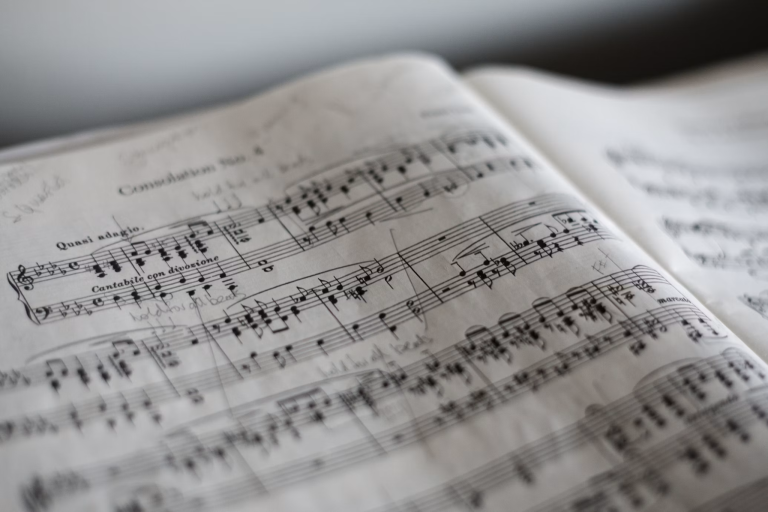
In ancient India, musicians and scholars took a highly scientific approach to the psychology of sound by creating Indian Classical music, which revolves around melodic structures known as Ragas. Unlike western music, which can be played at any time, specific Ragas are strictly tied to different times of the day or changing seasons.
Musicians believe that the natural world changes its energetic rhythm as the sun moves across the sky, and human emotions change right along with it. These precise combinations of notes are meticulously engineered to trigger specific emotional responses in the listener, ranging from deep morning peace to joyful afternoon energy and quiet evening relaxation.
Reading through recent Liven app reviews shows that many modern people actively seek out structured audio tracks, guided meditations, and mood diaries to help them navigate their daily feelings, and Indian Classical music serves as a beautiful, historic version of that exact same emotional management tool. Listening mindfully to the evolving, intricate patterns of a Raga gives your brain a complex puzzle to follow, which naturally pulls your focus away from stubborn real-world worries.
Celtic Melodies: Processing Grief Through Sad Songs
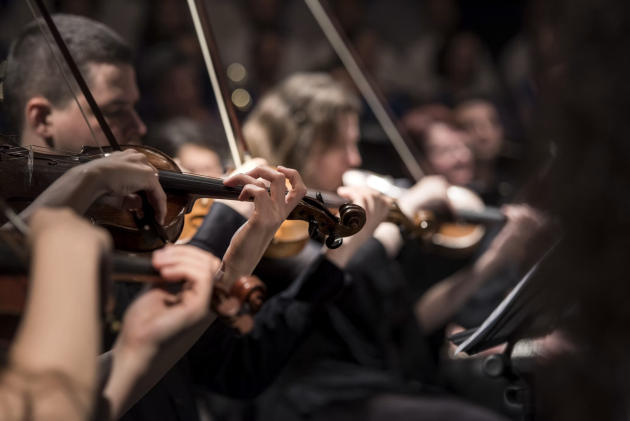
While some musical traditions focus on creating immediate calm or joy, traditional Gaelic and Celtic cultures in Ireland and Scotland took a completely different approach to emotional wellness. They recognized that true psychological healing requires looking directly at our darkest feelings rather than hiding them away. These communities developed traditional laments, which are deeply sorrowful songs and melancholic fiddle or pipe tunes designed specifically to express heavy grief, loss, and historical tragedy.
Psychologists call the benefit of this practice catharsis, which means an intentional emotional release. When you listen to a beautifully sad song, your brain releases a hormone called prolactin, which is the exact same chemical produced when a mother comforts a child, leaving you feeling deeply supported and relieved. Singing or listening to these tragic historical stories together reminds the individual that suffering is a universal human experience. It helps people process their heaviest personal grief in a safe space, proving that we do not always have to listen to happy music to feel comforted.
Creating Your Own Healing Playlist
The most incredible aspect of global music is how diverse cultural traditions point to the same psychological truth: music is a natural shortcut to emotional wellness for everyone. Our ancestors discovered that sound mends what is broken inside us, whether through a primal drumbeat, a precise Indian melody, or a raw Celtic song.
We can easily borrow this ancient wisdom to design healing playlists that manage our moods, lower anxiety, and improve sleep. Close your eyes, breathe deeply, and let global rhythms guide your mind back into perfect balance.
Follow Sounds and Colours: Facebook / Twitter / Instagram / Mixcloud / Soundcloud / Bandcamp
Subscribe to the Sounds and Colours Newsletter for regular updates, news and competitions bringing the best of Latin American culture direct to your Inbox.