

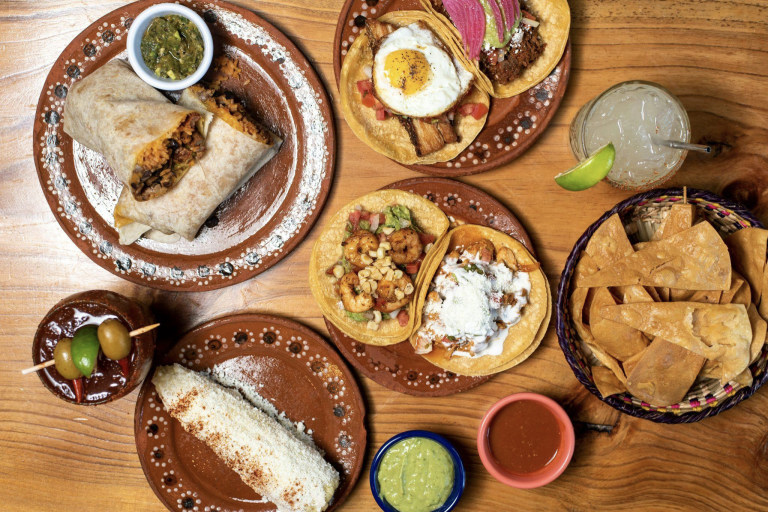
The Ingredients and Food Traditions Shaping Modern Latin American Cuisine
12 October, 2026Latin American cuisine is often discussed as though it were one single tradition, but the reality is far more diverse. The food of Mexico, Peru, Argentina, Brazil, Colombia, the Caribbean and Central America reflects different climates, Indigenous cultures, migration patterns and local ingredients.
What connects many of these traditions is the importance of food as part of everyday social life. Meals are often tied to family, regional identity and celebrations, while familiar ingredients are continually adapted to new tastes and lifestyles.
Modern Latin American cooking therefore does not represent a break from tradition. In many cases, it is an extension of it, combining long-established techniques with new ingredients, international influences and changing ideas about health and convenience.
Traditional Staples Still Provide the Foundation
Many of the most recognisable dishes across Latin America begin with relatively simple ingredients.
Corn, beans, rice, potatoes, cassava and plantains appear in countless regional forms. They may become tortillas, arepas, tamales, stews, side dishes or street foods depending on the country and local tradition.
These staples have remained important partly because they are adaptable.
The same ingredient can support an inexpensive everyday meal or become part of a more elaborate celebration dish.
That flexibility also makes traditional foods easy to reinterpret without losing their identity. Modern chefs may change presentation, seasoning or technique while keeping the ingredients that make the dish immediately recognisable.
New Ingredients Are Expanding Familiar Cooking Styles
Contemporary kitchens are also incorporating ingredients that were previously less common in particular regions.
Global food culture has made different vegetables, spices and specialty ingredients much easier to discover, encouraging cooks to experiment while still using familiar techniques.
Mushrooms are one example. Interest in varieties beyond the most familiar supermarket options has grown, and people exploring topics such as king trumpet mushroom benefits may also discover how their firm texture makes them suitable for grilling, roasting or incorporating into vegetable-focused dishes.
That does not mean traditional ingredients are being replaced.
More often, modern cooking simply expands the number of options available, allowing older recipes and techniques to evolve naturally.
Regional Sauces Carry Enormous Cultural Importance
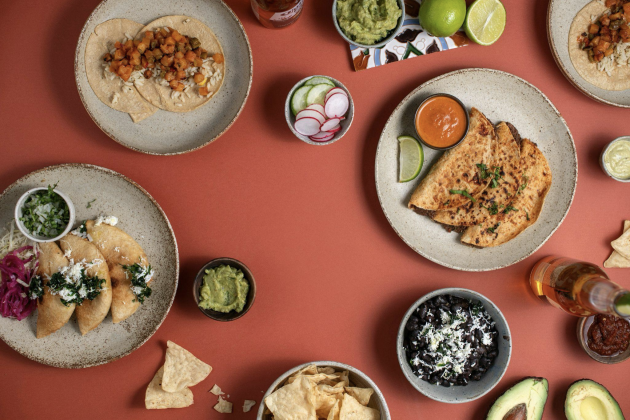
A sauce can define an entire dish.
Across Latin America, combinations of chillies, herbs, tomatoes, citrus, onions and spices create flavours that vary dramatically from one region to another.
Mexican salsas alone demonstrate how much variation can come from changing the type of chilli, cooking method or balance of acidity.
Elsewhere, herb-heavy sauces, marinades and condiments play similarly important roles.
These preparations often carry strong family traditions.
Recipes may be learned through observation rather than formal instructions, with quantities adjusted by taste instead of precise measurement.
That creates subtle differences from one household to another and helps food remain deeply personal even when the basic dish is widely known.
Street Food Continues to Influence Modern Restaurants
Street food is one of the clearest examples of how tradition and innovation can coexist.
Tacos, empanadas, sandwiches, grilled meats and fried snacks often begin as accessible everyday food before influencing restaurant menus far beyond their original locations.
Modern chefs frequently borrow the flavours and formats of street dishes while changing ingredients or presentation.
The appeal is easy to understand.
Street foods are usually built around strong flavours, convenient portions and combinations that have already been refined through years of popularity.
Even when the setting becomes more sophisticated, successful interpretations tend to preserve the directness that made the original food appealing.
Family Meals Keep Food Traditions Alive
Culinary traditions survive because people continue preparing them.
Family gatherings provide one of the strongest environments for passing recipes and techniques between generations.
Children may learn how dough should feel, when a sauce is ready or how a particular dish is assembled simply by spending time in the kitchen.
These details are difficult to capture in written recipes.
They depend on repetition and experience.
Modern schedules may make large family meals less frequent in some households, but special occasions still provide opportunities to maintain traditional foods.
Birthdays, religious celebrations and national holidays often bring older recipes back to the centre of the table, even for people whose everyday diets have become much more international.
Modern Latin American Cuisine Keeps Moving Forward
Food culture changes whenever people move, travel or encounter new ingredients.
Latin American cuisine has always reflected that process.
Indigenous food traditions interacted with European, African, Asian and Middle Eastern influences over centuries, creating many dishes that are now considered deeply traditional.
Current culinary change is simply another stage of the same story.
Chefs and home cooks continue to experiment with plant-based dishes, alternative proteins, new vegetables and different preparation methods while maintaining familiar flavours and techniques.
That balance is what keeps the cuisine dynamic.
Modern Latin American food does not need to choose between tradition and experimentation. Its strength comes from allowing both to exist at the same table, with long-established ingredients and family recipes continuing to shape the way newer ideas are understood.
Follow Sounds and Colours: Facebook / Twitter / Instagram / Mixcloud / Soundcloud / Bandcamp
Subscribe to the Sounds and Colours Newsletter for regular updates, news and competitions bringing the best of Latin American culture direct to your Inbox.