

The Show Is the Easy Part of a Multi-City Tour
29 October, 2026Four musicians walk onto a stage, a lighting cue hits, and the audience sees the end of a chain that started months earlier in an email to a promoter in a city nobody on the bus has been to. The performance is the visible sliver. Underneath it sit routing decisions, customs stamps, truck rules and a technical team that gets hired, briefed and paid off in every town the production stops in.
The Crew a Tour Hires and Loses in Every City
A tour’s route isn’t drawn on a map so much as assembled out of relationships. A booking agent puts the dates together with local promoters, who are frequently the venue owners or club operators themselves, and who then take on the job of selling the show inside their own city. That means the people with the most riding on a given night often aren’t on the bus at all. They live there.
The same holds for the crew. A production travels with a small permanent team and fills out its technical roster city by city, hiring local stagehands and venue staff to get the load-in done and the load-out finished before curfew. A routing plan, a local fixer, a crew booked for two days and released: that layer carries experiential roadshows through the same venues and plazas, which is why a promoter’s calendar and a stagehand crew’s availability are contested resources rather than guaranteed ones. A tour is bidding for the same hands as everyone else.
Which is the part that gets underestimated. The show is rehearsed and fixed. The infrastructure under it gets rebuilt from nothing at every stop.
Paperwork That Keeps Instruments From Becoming Imports
Gear crossing a border is a legal event, not a travel detail. Get it wrong and customs authorities can treat touring instruments, DJ equipment, props and wardrobe as permanent imports, which opens the door to duties, inspections or seizure. A trunk of costumes stuck at a border post is a cancelled date.
The instrument built to prevent that is the ATA Carnet. According to FestivalPro, a Carnet stays valid for twelve months and is accepted for temporary equipment import in more than 85 countries. It isn’t a one-time clearance, though. As Daysheets sets out, the document has to be presented and stamped by customs officers every single time the equipment enters or leaves a country along the route. Carnets cover three specific categories of goods moving temporarily into other participating countries, per IMRO’s touring guidance.
Scale decides which route you’re on. IMRO notes that under EU customs rules a musician with one portable instrument, a guitar being the obvious case, can clear a border on a simple oral declaration, while a van or lorry hauling non-portable gear still needs a full Carnet. That threshold sorts touring acts into two very different administrative lives. Readers tracking the artists on the heavier side of it will find plenty in our coverage of Latin American and Caribbean music.
Trucks, Load Limits and the Shape of a Route
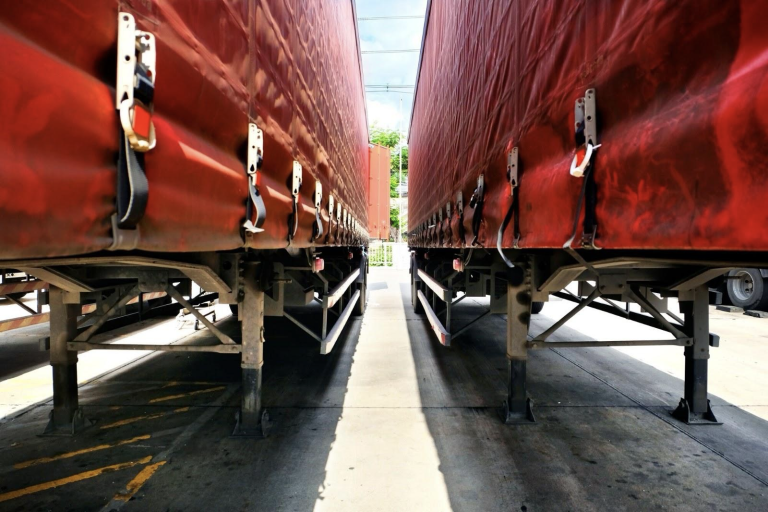
Once the paperwork clears, the vehicle becomes the constraint. FestivalPro points out that the EU caps how many times a truck registered outside the bloc can load and unload cargo within it, a rule that frequently pushes international tours into hiring EU-registered vehicles and local drivers instead. A regulation about cargo movements quietly rewrites the touring party.
Length is the other variable. An international tour commonly runs about a month across several countries, with longer-running artists sometimes stretching one to six months or more, and a tour manager holding the transport, venue, accommodation and support bookings for every stop. That job is the spine of the operation. Each city on the sheet means another set of bookings, another arrival window, another crew call, and a vehicle that has to be legal where it’s parked.
Mas Bands Working Against a Date That Won’t Move
Carnival troupes run a version of the same problem with one brutal extra condition. They function like small production outfits, sourcing costume materials and components from abroad and assembling them against a timeline fixed to a festival date that cannot be pushed back. A tour can shift a date. Carnival cannot.
So a shipping delay on wire, beads or fabric isn’t an inconvenience, it’s a design change. The visual spectacle readers associate with carnival traditions rests on a procurement calendar every bit as unforgiving as a tour routing sheet, and the work of meeting it happens months before anyone sees a feather.
That’s the honest shape of all of it. A rule about how many times a foreign-registered truck can unload inside the EU can determine which vehicles a tour uses and who drives them, no matter how good the band is. The performance isn’t what decides whether a multi-city production happens. The stamps, the trucks and the crew who show up at eight in the morning in a city the band is seeing for the first time are.
Follow Sounds and Colours: Facebook / Twitter / Instagram / Mixcloud / Soundcloud / Bandcamp
Subscribe to the Sounds and Colours Newsletter for regular updates, news and competitions bringing the best of Latin American culture direct to your Inbox.