

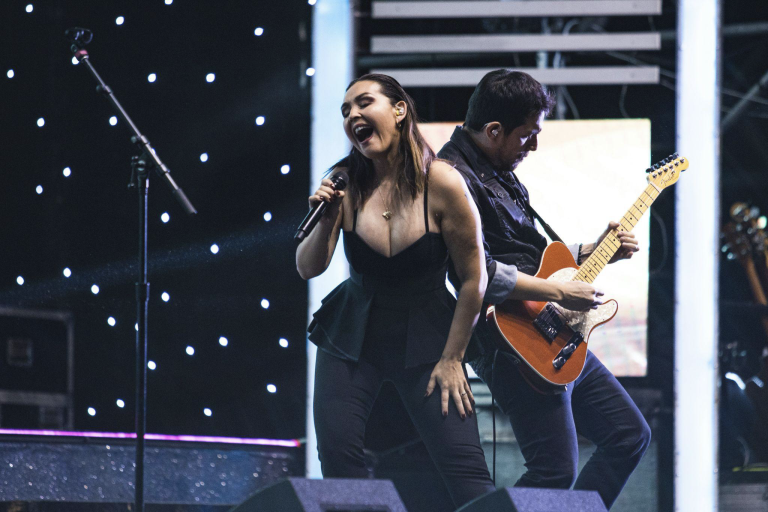
The Signature Looks That Defined Latin Music’s Biggest Icons
01 September, 2026Music creates stars through sound, but the artists who become true cultural icons often develop an equally memorable visual identity. A silhouette, hairstyle, hat, jacket, color palette, or stage costume can become recognizable before a song even starts.
Latin music offers countless examples. Across salsa, Latin pop, reggaeton, rock, regional Mexican music, and other genres, artists have used clothing not simply as decoration but as part of the way audiences understand their music and personality. Their looks have influenced fans, fashion, and later generations of performers while helping define entire musical eras.
Celia Cruz Turned Exuberance Into a Visual Signature
Celia Cruz possessed a voice that could never be mistaken for anyone else’s, and her visual presentation followed the same philosophy. Bold colors, elaborate dresses, dramatic wigs, sequins, and towering shoes made restraint almost irrelevant to her stage persona.
Her clothing complemented the energy of her performances. Salsa was not presented as something visually quiet while the music supplied all the excitement. Instead, Cruz’s appearance became another expression of movement, celebration, and theatricality.
That approach demonstrates why accessories can become so important to an artist’s identity. A relatively ordinary item can become memorable through repetition, color, or the way it is worn. Modern accessory specialists such as www.diehardscarves.com reflect the continuing possibilities of scarves, hats, and other customizable pieces as tools for creating a distinctive visual identity.
For Cruz, however, the complete effect was unmistakably personal. Her style did not merely accompany the performance. It seemed to perform alongside her.
Selena Made Stage Glamour Feel Effortless
Selena Quintanilla’s influence on fashion remains remarkable because many of her most recognizable looks still feel immediately wearable. High-waisted pants, embellished jackets, cropped tops, dramatic stage pieces, and her famous bustiers created an aesthetic that combined performance glamour with an approachable sense of personal style.
Some of that impact came from Selena’s direct involvement in fashion. Clothing was not simply something selected after the music had been decided; it was another creative interest.
Her stage outfits also understood the demands of performance. They needed enough visual impact to work in large venues while allowing movement and maintaining a clear connection to her personality.
Decades later, Selena-inspired fashion remains visible at concerts, celebrations, costume events, and in contemporary pop styling. Few artists achieve that level of visual longevity.
Juan Gabriel Used Clothing to Challenge Expectations
Juan Gabriel understood the theatrical possibilities of clothing exceptionally well. His performances could feature colorful suits, sparkling embellishments, flowing silhouettes, and expressive details that matched the emotional openness of his music.
His wardrobe mattered because it rejected the idea that a male Latin music superstar needed to present himself within a narrow visual template. The clothes could be glamorous, playful, elegant, dramatic, and unapologetically expressive.
That confidence strengthened his performances rather than distracting from them. When he moved across a stage, the clothing amplified the movement and contributed to the sense that the audience was watching something larger than an ordinary concert.
His visual identity ultimately became inseparable from the freedom and personality audiences associated with him.
Shakira Built Different Looks for Different Musical Eras
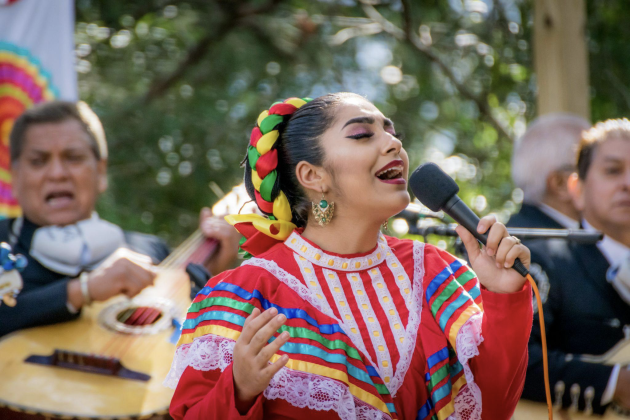
Shakira’s style evolution provides an interesting example of how an artist can change visually without losing recognizability.
Her earlier rock-oriented years established a different image from the international pop superstar who later emerged. Hair color, stage costumes, performance clothing, and styling evolved alongside changes in her music and audience.
Rather than maintaining one fixed uniform for decades, Shakira’s visual identity has repeatedly adapted to the particular era she is occupying. Elements of rock, bohemian styling, glamorous performance wear, and dance-oriented clothing have all appeared at different points.
What remains consistent is movement. Her clothing usually makes sense in relation to the physicality of her performances, which is especially important for an artist whose stage presence is so closely associated with dance.
Daddy Yankee Helped Define the Early Reggaeton Look
When reggaeton expanded from Puerto Rico into a global commercial force, its artists brought a recognizable visual language with them. Daddy Yankee became one of the central figures in establishing that image for international audiences.
Oversized shirts, baggy jeans, baseball caps, sunglasses, sneakers, jewelry, and streetwear influences were closely connected with the genre’s rise during the 2000s. These choices communicated something very different from the polished suits or theatrical costumes associated with other traditions in Latin popular music.
As both fashion and reggaeton evolved, Daddy Yankee’s wardrobe became more refined, but the connection between streetwear and the genre remained influential.
The broader impact can still be seen in the way contemporary Latin artists treat fashion as part of genre identity while increasingly mixing streetwear with luxury pieces and highly individualized styling.
Bad Bunny Made Fashion Part of the Conversation
Bad Bunny has pushed the relationship between Latin music and fashion into a particularly experimental direction. His wardrobe can move between streetwear, tailoring, sportswear, unexpected accessories, bold sunglasses, skirts, and pieces that deliberately resist conventional expectations.
The unpredictability is part of the identity. Audiences do not necessarily expect one specific uniform; they expect him to do something worth noticing.
This approach reflects a wider shift in celebrity style. Social media means an artist’s appearance at an awards show, sporting event, fashion show, or casual public outing can circulate almost as widely as a performance. Clothing therefore contributes to the ongoing cultural conversation surrounding the artist.
Bad Bunny has used that environment effectively, making fashion another place where experimentation and personality can be expressed.
Vicente Fernández Made the Charro Look Iconic
Some musical styles are connected to clothing traditions that existed long before any individual performer. The challenge for an artist is making that established visual language feel personally identifiable.
Vicente Fernández accomplished this with the charro suit. Elaborate embroidery, fitted jackets, decorative trousers, boots, broad sombreros, and carefully coordinated colors became inseparable from his public image and his association with ranchera music.
The clothing carried cultural history, but Fernández’s decades of performances gave it another layer of popular recognition. For audiences around the world, the silhouette could immediately signal both the artist and the musical tradition he represented.
His example also shows that iconic style does not always require inventing something entirely new. Sometimes it comes from embracing an existing tradition so consistently and convincingly that the performer becomes one of its most recognizable modern representatives.
Fashion and music have always influenced each other, but the most memorable artists go beyond simply wearing fashionable clothes. They develop a visual language that strengthens what their music already communicates. Whether through Celia Cruz’s exuberance, Selena’s stage glamour, Juan Gabriel’s theatrical freedom, Daddy Yankee’s streetwear, or Vicente Fernández’s charro elegance, the clothing becomes another part of the performance, and eventually another part of the legacy.
Follow Sounds and Colours: Facebook / Twitter / Instagram / Mixcloud / Soundcloud / Bandcamp
Subscribe to the Sounds and Colours Newsletter for regular updates, news and competitions bringing the best of Latin American culture direct to your Inbox.