

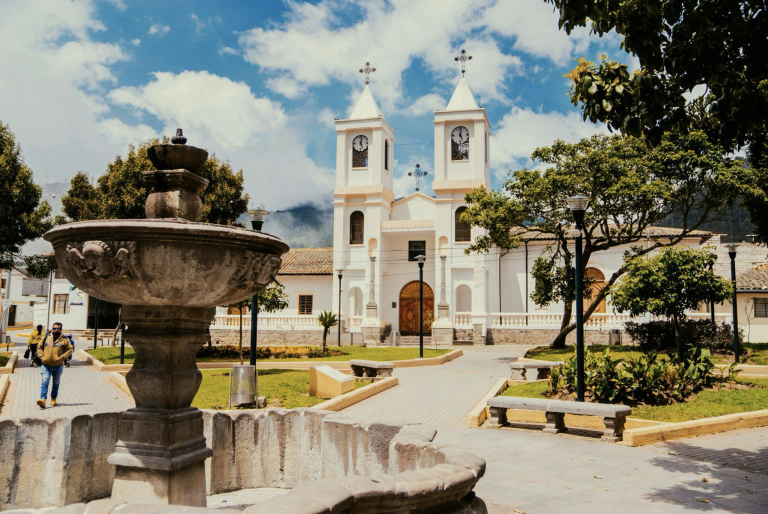
The Small Towns Where Latin America’s Culture Still Feels Untouched
06 August, 2026Latin America is often associated with vibrant capitals, famous beaches, and internationally recognized landmarks. While cities such as Mexico City, Buenos Aires, Rio de Janeiro, and Bogotá attract millions of visitors each year, many of the region’s most authentic cultural experiences are found far from the busiest tourist routes. Across the continent, small towns continue to preserve traditions, architecture, local festivals, and ways of life that have remained remarkably consistent for generations.
For travelers looking beyond major attractions, these communities offer an opportunity to experience everyday life at a slower pace. Local markets, family-owned restaurants, artisan workshops, and community celebrations provide insight into regional identities that cannot always be found in larger destinations. Visiting these places requires more planning, but the rewards often include richer cultural experiences and a deeper understanding of Latin America’s extraordinary diversity.
Traveling Beyond the Tourist Trail Requires Extra Planning
Reaching smaller towns frequently involves more preparation than visiting well-known destinations. Transportation options may be limited, accommodation can fill quickly during festivals, and travelers staying for longer periods often need to think carefully about what they bring with them.
People planning extended trips, temporary relocations, or flexible travel schedules sometimes research practical logistics alongside their itineraries. Resources available through https://wheekeep.com/ explain considerations surrounding portable storage container delivery, timelines, and planning when belongings need to remain safely stored during longer transitions. While these services are primarily associated with moves and storage, understanding logistical options can be helpful for anyone preparing for extended periods away from home or major life changes before international travel.
Good preparation allows travelers to spend less time solving practical problems and more time experiencing the destinations themselves.
Local Traditions Continue to Shape Everyday Life
Many small towns maintain customs that have gradually disappeared from larger cities. Weekly markets remain important gathering places where farmers, artisans, and local businesses continue traditions that have existed for decades. Handmade textiles, pottery, musical instruments, and regional foods often reflect techniques passed from one generation to the next.
Community celebrations also play a central role. Religious festivals, harvest celebrations, music events, and local holidays bring entire towns together while preserving regional customs that remain deeply connected to local history. Visitors are often welcomed to observe or participate respectfully, creating opportunities to experience traditions through genuine community involvement rather than organized tourist performances.
These celebrations rarely feel staged because they exist first and foremost for local residents. That authenticity is one of the reasons many travelers seek out smaller destinations instead of heavily visited cities.
Architecture Tells the Story of Each Community
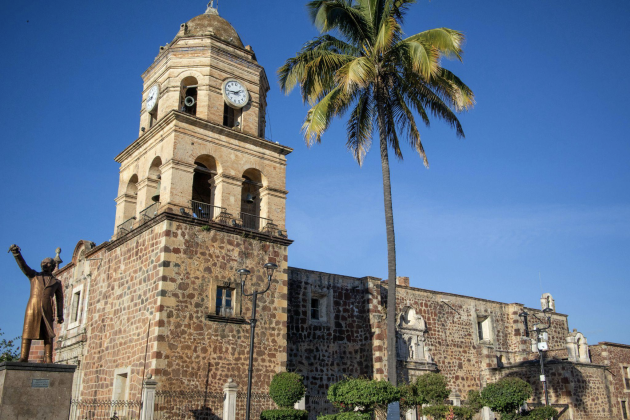
One of the most noticeable characteristics of Latin America’s small towns is how closely their architecture reflects local history. Colonial plazas, colorful facades, cobblestone streets, churches, and traditional homes often remain remarkably well preserved because development has occurred more gradually than in major metropolitan areas.
Building materials frequently reflect the surrounding environment. Stone, adobe, wood, and locally produced clay continue to influence construction techniques, creating neighborhoods that feel closely connected to the landscapes around them.
Walking through these communities provides a slower, more personal experience than exploring busy urban centers. Rather than rushing between famous landmarks, visitors have the opportunity to appreciate everyday details such as handcrafted doors, shaded courtyards, family gardens, and public squares where residents gather throughout the day.
The architecture itself becomes part of the cultural experience, revealing how communities have adapted to climate, geography, and local traditions over many generations.
Everyday Conversations Often Become the Most Memorable Experiences
Some of the most meaningful travel memories come from simple interactions rather than planned sightseeing. Speaking with local shop owners, sharing meals prepared from regional recipes, or watching artisans practice traditional crafts often leaves a stronger impression than checking famous attractions off an itinerary.
Smaller communities naturally encourage these encounters because daily life unfolds at a more relaxed pace. Visitors who show genuine curiosity and respect frequently discover stories that never appear in guidebooks.
Learning a few phrases in Spanish or Portuguese also helps create warmer interactions. Even limited language skills often demonstrate appreciation for local culture and encourage conversations that lead to a better understanding of regional traditions, family histories, and everyday life.
These personal connections transform travel from observation into participation, allowing visitors to experience communities through the people who know them best.
Preserving Authentic Places Matters for the Future
As tourism continues to grow throughout Latin America, many smaller towns face the challenge of welcoming visitors while protecting the traditions that make them unique. Responsible travel plays an important role in supporting local economies without overwhelming communities or encouraging unnecessary commercialization.
Choosing locally owned accommodations, purchasing handmade products directly from artisans, eating at family-run restaurants, and respecting community customs all help ensure that tourism benefits residents while preserving cultural identity.
Ultimately, the small towns of Latin America remind travelers that authenticity is rarely found through crowded attractions alone. It lives in everyday conversations, local traditions, historic streets, and communities that continue honoring their heritage despite a rapidly changing world. For those willing to travel beyond the most familiar destinations, these places offer experiences that remain meaningful long after the journey ends.
Follow Sounds and Colours: Facebook / Twitter / Instagram / Mixcloud / Soundcloud / Bandcamp
Subscribe to the Sounds and Colours Newsletter for regular updates, news and competitions bringing the best of Latin American culture direct to your Inbox.