


What Latin American Wellness Culture Gets Right About Everyday Self-Care
12 October, 2026Wellness is often presented as something that requires expensive routines, specialist products or major lifestyle changes. In many Latin American cultures, however, everyday self-care has traditionally been much more closely tied to ordinary life.
Meals shared with family, time outdoors, personal grooming, rest, conversation and small daily rituals can all contribute to a sense of wellbeing without being treated as separate “wellness activities.”
That does not mean every tradition is automatically healthy or that one region has a perfect approach. Latin America is far too diverse for that kind of generalisation. Still, there are useful ideas in the way many communities place value on social connection, personal presentation and routines that are repeated consistently rather than pursued only when something feels wrong.
Sometimes the most sustainable form of self-care is simply the one that fits naturally into everyday life.
Wellness Works Better When It Is Not Built Around Quick Fixes
Modern wellness culture often encourages people to search for one product or intervention that will solve a larger problem.
Weight management is a good example. For people trying to understand how individual nutrients are discussed in relation to body weight, resources on chromium for weight loss can help explain why chromium is often included in conversations about metabolism and supplementation.
A more grounded approach looks at the bigger routine.
Regular meals, movement, sleep, stress and social habits tend to matter more than constantly moving from one short-term solution to another.
That mindset is useful because it makes self-care feel less reactive. Instead of waiting until something feels wrong, people can build ordinary habits that support how they want to feel over time.
Personal Care Can Be Simple and Consistent
Self-care does not always need to look like a spa day.
Small routines carried out every day are often more practical.
Oral care is a good example because it is easy to overlook precisely because it is so ordinary. Products from brands such as LivFresh can sit within that everyday routine, where consistency matters more than turning basic personal care into a complicated ritual.
The same principle applies to skincare, grooming and other forms of hygiene.
When these habits are treated as normal parts of the day, they require less motivation.
That can make them easier to maintain than occasional bursts of intensive self-care.
Food Is Often About More Than Nutrition
Meals play an important social role across many Latin American households.
Food is not simply fuel.
It can be a reason to sit together, slow down and maintain family connections.
That social side of eating is easy to lose in busy routines where meals are rushed or eaten alone in front of a screen.
Sharing food can create a natural pause in the day.
It encourages conversation and gives people time away from work or other responsibilities.
The specific dishes differ enormously across countries and regions, but the broader idea remains useful: meals can support emotional wellbeing as well as physical needs.
Self-care sometimes means protecting the time around food, not just analysing what is on the plate.
Social Connection Is Part of Wellbeing
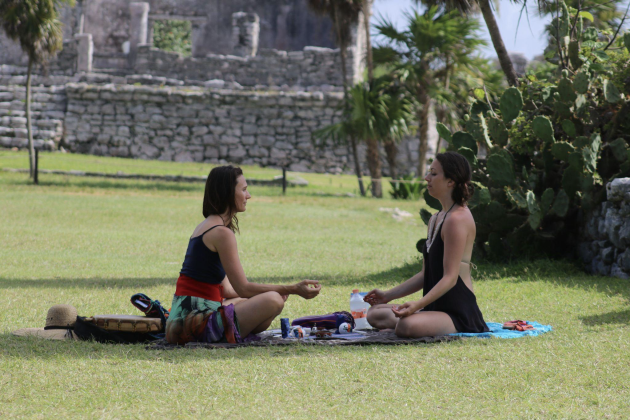
Wellness advice often focuses heavily on individual behaviour.
Exercise more. Sleep better. Drink more water.
Those things matter, but people do not experience wellbeing in isolation.
Strong relationships can make stressful periods easier and create regular opportunities to talk, laugh and feel supported.
Many Latin American communities place strong emphasis on family and social life, although the exact expression varies between households and cultures.
That reminder is valuable in a world where self-care is frequently marketed as something people should do alone.
Calling a friend, spending time with relatives or joining a community activity may be just as meaningful as purchasing another wellness product.
Looking After Yourself Does Not Have to Feel Self-Indulgent
One reason people neglect self-care is that it can feel like time taken away from more important responsibilities.
A healthier interpretation is to see basic care as maintenance.
Resting when needed, keeping up with personal hygiene, eating properly and taking a little time to reset are not extravagant choices.
They are ordinary needs.
This mindset can be particularly useful for people balancing work, family and other responsibilities.
Self-care becomes easier to justify when it is not framed as an escape from daily life.
Instead, it becomes part of what makes daily life manageable.
Enjoyment Has a Place in a Healthy Routine
Wellness does not need to be entirely functional.
Music, dancing, conversation, outdoor gatherings and food can all contribute to quality of life simply because they are enjoyable.
That matters.
A routine built only around discipline can become difficult to maintain.
People are more likely to continue habits that make life feel better rather than turning every choice into another obligation.
Finding room for pleasure can also prevent self-care from becoming overly focused on optimisation.
Not every walk needs to track steps. Not every meal needs to be evaluated. Not every evening needs to be productive.
Sometimes enjoyment is enough.
The Strongest Habits Usually Fit Into Real Life
The most useful lesson is not to copy any one culture’s routine.
It is to make self-care realistic.
Habits work better when they fit around work, family, food and social life rather than competing with them.
That might mean eating more meals with other people, taking personal care seriously without overcomplicating it or protecting a little time each day to slow down.
None of these choices is dramatic.
That is exactly why they can work.
Sustainable wellbeing is often built from small actions repeated often enough that they stop feeling like special effort.
Latin American wellness culture, in its many different forms, offers a useful reminder that caring for yourself does not always need to be separated from ordinary life.
Sometimes everyday life itself provides the best place to start.
Follow Sounds and Colours: Facebook / Twitter / Instagram / Mixcloud / Soundcloud / Bandcamp
Subscribe to the Sounds and Colours Newsletter for regular updates, news and competitions bringing the best of Latin American culture direct to your Inbox.