

What Makes Latin American Interiors Feel So Distinctive and Full of Life
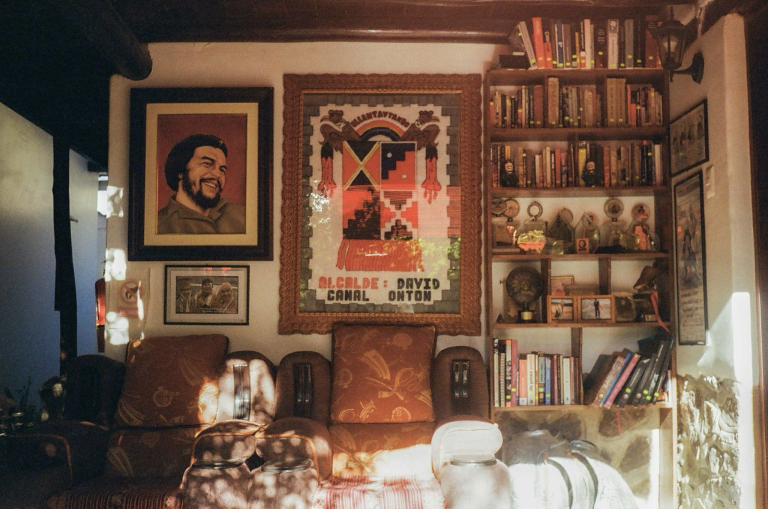
12 October, 2026Latin American interiors are often immediately recognisable, even when they do not follow one strict design formula. Warm colours, handcrafted details, natural materials and an easy relationship between indoor and outdoor spaces can make rooms feel expressive without appearing overly styled.
Part of their appeal comes from contrast. Rustic wood may sit beside brightly patterned textiles, while simple plaster walls provide a calm background for ceramics, plants and artwork. The result often feels collected over time rather than purchased as a complete matching set.
That sense of personality is difficult to create through decoration alone. It comes from combining practical living with materials and objects that have texture, history and cultural character. Although styles vary greatly across Mexico, Central America, South America and the Caribbean, several recurring ideas help explain why these interiors can feel so warm, distinctive and full of life.
Comfort Matters as Much as Appearance
A successful Latin American-inspired interior rarely feels like a room that exists only to be photographed. Furniture is usually arranged for conversation, gathering and everyday use, while terraces, courtyards and open doors can extend living areas beyond four walls.
That focus on how a space feels also leaves room for modern ideas around wellness and recovery. A household interested in creating areas dedicated to rest might encounter brands such as Oxify while thinking about wellbeing at home, showing how contemporary lifestyle choices can sit alongside a warmer, more traditional design language.
The strongest interiors balance these two sides naturally. A room can contain expressive colour and decorative objects while still providing comfortable seating, good circulation and quieter areas for relaxing.
Function does not weaken the visual impact. It often makes the space feel more authentic.
Natural Wood Adds Warmth and Texture
Wood is one of the easiest materials to use when trying to introduce depth into an interior.
Rather than relying entirely on smooth, highly polished surfaces, many Latin American-inspired spaces benefit from timber with visible grain and natural variation. Flooring, ceiling beams, cabinets and tables can all introduce warmth while giving brighter colours something more grounded to sit against.
Materials and ideas available through https://woodplank.com/ fit naturally into this approach, particularly when wood is being used as a prominent surface rather than a minor decorative detail.
The exact finish matters. Lighter woods can make a room feel open and relaxed, while darker tones create stronger contrast against white plaster, terracotta and colourful fabrics.
Mixing different wood tones can also work well when the room is intended to feel layered rather than perfectly coordinated.
Colour Is Used With Confidence
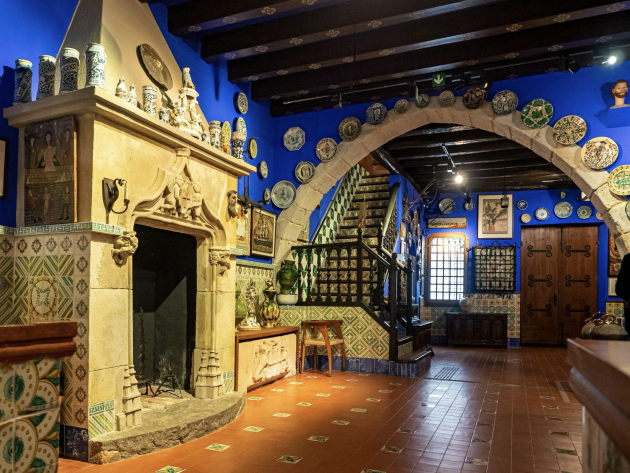
Colour is one of the most visible features associated with Latin American interiors, but the most successful rooms do not necessarily use every bright shade at once.
Often, a strong colour appears against a more restrained background.
Deep blue doors, green tiles, red textiles or mustard cushions can become focal points without overwhelming the entire space. Earthier tones such as terracotta, sand and clay provide another important part of the palette.
The combination creates energy while still feeling connected to natural materials.
People recreating the look at home do not need to repaint every wall. Introducing colour through cushions, ceramics, rugs or artwork can achieve much of the same effect and makes the room easier to adapt later.
Handmade Pieces Prevent Rooms From Feeling Generic
Craftsmanship plays a major role in giving these interiors their personality.
Woven baskets, embroidered fabrics, hand-painted ceramics and carved furniture introduce small variations that factory-made objects often lack. Those imperfections can make a room feel more personal rather than less refined.
The most convincing spaces also avoid treating handcrafted objects as themed decorations.
Instead, they are incorporated because they are useful, beautiful or meaningful. A ceramic bowl can sit on a dining table because it is used regularly. A woven textile can provide warmth while also adding pattern.
This approach creates rooms that feel lived in rather than staged.
Indoor and Outdoor Spaces Often Work Together
Climate has influenced architecture across much of Latin America, encouraging homes that make use of courtyards, terraces, balconies and shaded outdoor areas.
That relationship with the outdoors has become an important part of the visual style as well.
Plants are frequently used indoors, while large doors or windows can make greenery outside feel like part of the room. Natural stone, wood and terracotta help strengthen the transition between exterior and interior spaces.
Even homes without a courtyard can borrow the idea.
A collection of large plants near a window, natural materials and seating positioned to make better use of daylight can create a stronger connection with the outdoors.
Personality Matters More Than Perfect Coordination
Perhaps the most distinctive quality of Latin American interiors is that they rarely depend on everything matching.
Furniture may come from different periods. Patterns can coexist. Artwork, family objects and handmade pieces may gradually accumulate rather than being selected according to one rigid design scheme.
That freedom is what gives many spaces their energy.
Creating a similar feeling is less about copying a particular room and more about becoming comfortable with contrast. Old and new pieces can work together. Bright colours can sit beside neutral walls. Decorative objects can be useful at the same time.
The result should still feel balanced, but not overly controlled.
Latin American interiors stand out because they combine practicality with expression. Natural materials provide warmth, colour brings energy and handcrafted objects add a sense of individuality.
More than anything, these spaces tend to reflect the people using them. That is why they often feel so alive: the design supports daily life instead of trying to separate itself from it.
Follow Sounds and Colours: Facebook / Twitter / Instagram / Mixcloud / Soundcloud / Bandcamp
Subscribe to the Sounds and Colours Newsletter for regular updates, news and competitions bringing the best of Latin American culture direct to your Inbox.