

Why Music Is the Heartbeat of Latin American Culture
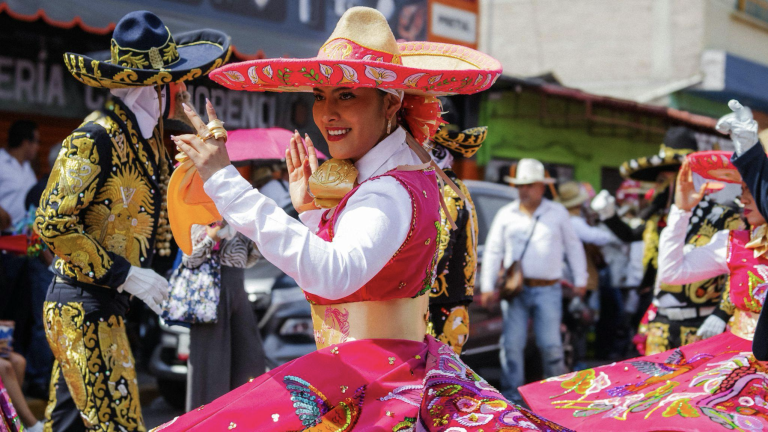
06 August, 2026Music is woven into everyday life across Latin America. It accompanies family celebrations, religious traditions, neighbourhood festivals, political movements, and cultural milestones, serving as both entertainment and a powerful expression of identity. Every region has developed distinctive rhythms shaped by Indigenous traditions, African influences, European heritage, and generations of local creativity.
Rather than existing separately from daily life, music reflects the history, values, and experiences of the communities that create it. This deep cultural connection explains why it continues to play such an important role throughout the region.
Music Shapes Public Spaces Beyond the Stage
In many Latin American communities, music is not confined to concert halls. Streets, public squares, neighbourhood festivals, and community gatherings often become performance spaces where live music brings people together across generations. The atmosphere surrounding these events is carefully designed to encourage participation, making visual presentation just as important as the performances themselves.
Businesses such as LiveTrends Design Group demonstrate how nature-inspired design can transform public and commercial spaces into more welcoming environments through creative décor and thoughtful visual presentation. Their work reflects a broader principle that applies to cultural festivals as well: carefully designed surroundings enhance shared experiences and encourage stronger community engagement.
Festivals Keep Musical Traditions Alive
Many of Latin America’s best-known festivals serve as living museums of musical heritage. Annual celebrations provide opportunities for traditional genres to be passed from one generation to the next while also creating space for contemporary artists to reinterpret familiar sounds.
These festivals are carefully organised, balancing entertainment with public safety, logistics, and local regulations. Organisers planning events that include fireworks often consult educational resources explaining firework laws because legal requirements vary between jurisdictions and safe operation depends on following local rules. Access to accurate information helps communities celebrate responsibly while preserving the festive atmosphere these events are known for.
Music and celebration therefore remain closely connected, supported by thoughtful planning that allows traditions to continue safely.
Every Region Has Developed Its Own Musical Identity
Latin America cannot be defined by a single musical style. Samba in Brazil, tango in Argentina, mariachi in Mexico, salsa throughout the Caribbean, vallenato in Colombia, and Cumbia across multiple countries each reflect unique historical influences and local traditions.
Migration, trade, and cultural exchange have allowed these genres to evolve while maintaining strong regional identities. Instruments, rhythms, and vocal styles differ from one community to another, creating remarkable musical diversity across the continent.
This variety allows local traditions to remain vibrant while continuing to inspire new generations of performers who blend historical influences with modern sounds.
Music Preserves Stories That History Books Cannot
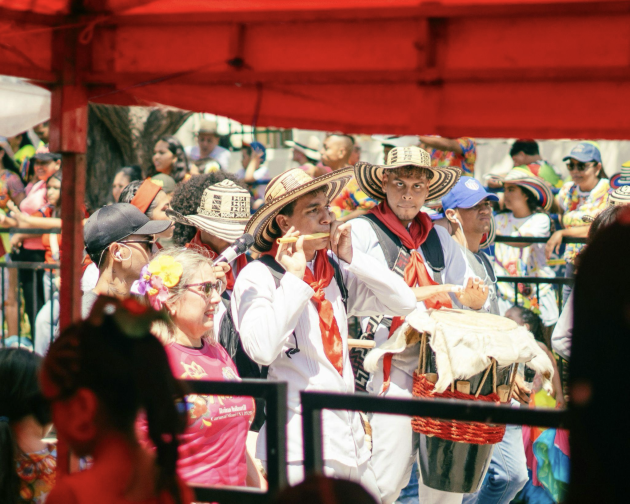
Songs often preserve memories that formal historical records overlook. Lyrics tell stories about migration, social change, family life, political movements, love, hardship, and community resilience. In many cases, music becomes an oral record that captures emotions and perspectives difficult to express through traditional historical accounts.
Folk musicians and contemporary artists alike continue documenting everyday experiences, ensuring cultural traditions remain relevant even as societies evolve. This storytelling function explains why many classic songs remain meaningful decades after they were first performed.
As musical traditions continue developing, they carry both historical memory and contemporary voices into the future.
Music Strengthens Cultural Identity Across Generations
One of music’s greatest strengths is its ability to connect generations. Grandparents, parents, and children often share songs that become part of family traditions, community celebrations, and national identity. Even people living far from their country of origin frequently maintain strong cultural connections through familiar rhythms and performances.
Modern technology has expanded access to Latin American music worldwide, but its deepest significance remains rooted in local communities where traditions continue to be celebrated through festivals, public performances, and everyday life.
Ultimately, music remains the heartbeat of Latin American culture because it does far more than entertain. It preserves history, strengthens community ties, celebrates regional identity, and brings people together through shared experiences that continue resonating across generations.
Music Continues to Influence Art, Film, and Fashion
The impact of Latin American music extends far beyond concert stages. Filmmakers use traditional rhythms to establish a sense of place, visual artists draw inspiration from musical movements, and fashion designers often incorporate colours, textiles, and patterns associated with regional festivals and performances. Music frequently serves as the cultural thread connecting multiple forms of creative expression.
This influence also helps preserve local identity in contemporary culture. New generations reinterpret traditional sounds through modern media while maintaining connections to the communities where those musical traditions began. As a result, music continues to shape not only what people hear but also how they experience art, storytelling, and design throughout Latin America.
Global Recognition Has Strengthened Local Traditions
Latin American music now reaches audiences around the world through streaming platforms, international festivals, and cultural collaborations. While this global exposure has introduced regional genres to millions of new listeners, it has also encouraged renewed appreciation for local traditions within their countries of origin.
Many communities continue investing in music education, youth orchestras, cultural festivals, and traditional performance groups to ensure these artistic traditions remain accessible for future generations. By balancing international recognition with local preservation, Latin American music continues evolving without losing the cultural heritage that makes it distinctive.
Follow Sounds and Colours: Facebook / Twitter / Instagram / Mixcloud / Soundcloud / Bandcamp
Subscribe to the Sounds and Colours Newsletter for regular updates, news and competitions bringing the best of Latin American culture direct to your Inbox.