

Why Seed Diversity Matters for Sustainable Agriculture
28 October, 2026Imagine walking through a Caribbean market filled with colorful peppers, fresh tropical fruits, beans, and vegetables. Behind every crop is a story of farming traditions, local knowledge, and seeds passed down through generations.
Yet the crops farmers grow can change as agricultural practices evolve. When growers concentrate on a limited selection of commercially popular varieties, other plants may gradually disappear from local fields.
Seed diversity helps protect this agricultural heritage while preparing for an uncertain future. Across Latin America and the Caribbean, where farming supports local communities and food traditions, maintaining different crop varieties is particularly important.
Understanding seed diversity can help farmers, home gardeners, and consumers make choices that support healthier agricultural systems and more resilient food supplies.
What Is Seed Diversity and Why Does It Matter?
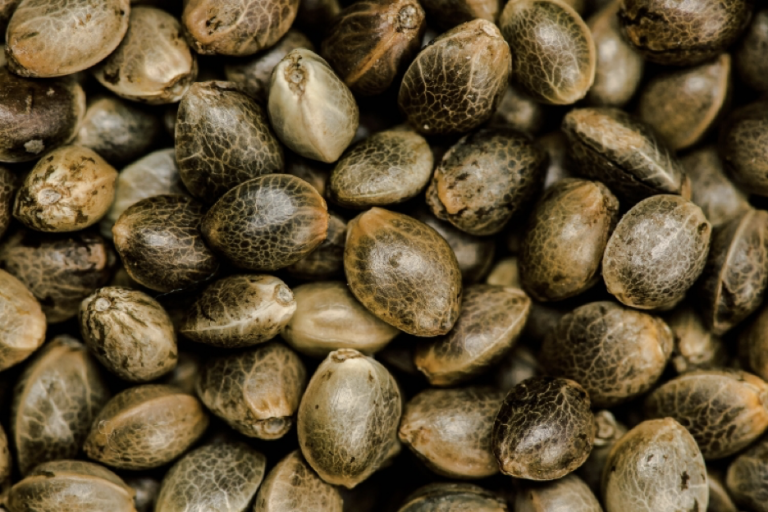
Seed diversity refers to the range of plant varieties available for cultivation. These varieties may differ in their genetic characteristics, growing requirements, flavors, and responses to environmental conditions.
Consider tomatoes. Some varieties grow well in hot weather, while others perform better in cooler conditions. Some plants produce small, sweet fruits, while others yield larger tomatoes suited for cooking.
The same principle applies to crops throughout Latin America, including corn, beans, squash, and peppers.
Maintaining this variety gives farmers more options when growing conditions change. Instead of relying on a single crop variety, they can choose plants suited to their environment and farming methods.
Seed diversity also contributes to agricultural resilience. If one variety struggles with a particular disease or weather pattern, another may possess characteristics that help it survive.
However, diversity doesn’t automatically guarantee protection. Successful farming still depends on healthy soil, appropriate growing practices, and careful crop management.
How Seed Diversity Supports Sustainable Farming
Sustainable agriculture aims to produce food while protecting the resources that future generations will need. Seed diversity contributes to this goal in several practical ways.
Helping Crops Adapt to Different Climates
Latin America and the Caribbean experience varied growing conditions, from humid tropical environments to dry regions and mountainous landscapes.
A variety that thrives in one location may struggle elsewhere.
Farmers who maintain access to different seeds have greater flexibility when choosing crops for their land. They can experiment with varieties that tolerate local temperatures, rainfall patterns, or soil conditions.
This flexibility becomes especially useful when growing seasons are unpredictable.
Reducing Dependence on a Single Variety
Growing one variety across a large area can create shared vulnerabilities. If the plants respond similarly to a particular disease, a significant portion of the harvest may be affected.
Introducing suitable varieties with different characteristics can reduce some of that risk.
Farmers must still consider crop compatibility, disease management, and market demand. Diversity works best as part of a broader farming strategy, not as a substitute for good agricultural practices.
Supporting Long-Term Food Security
Communities benefit when farmers can grow crops under different environmental conditions.
Preserving a wide selection of seeds helps maintain options for future planting, breeding, and local food production.
It also protects crops that may be less commercially popular but remain important to traditional diets.
The Importance of Preserving Traditional and Heirloom Seeds
Across Latin America, traditional crops are closely connected to cultural identity. Corn, for example, holds particular significance in Mexico and Central America, where communities have cultivated different varieties for generations.
Many traditional seed varieties survive because farmers continue planting, selecting, and sharing them.
These practices help preserve agricultural knowledge alongside the plants themselves.
Seed preservation also extends beyond conventional food crops. Specialized plant collections, including those associated with cannabis, show how growers and collectors distinguish varieties by inherited traits and intended uses.
For example, Pacific Seed Bank operates in the specialized cannabis seed market, distinct from agricultural food seed suppliers. This distinction matters because seed diversity covers many plant types, but their intended uses and legal requirements vary.
Readers interested in this specialized category can visit www.pacificseedbank.com to learn more.
Regardless of the crop, preserving genetic diversity requires more than collecting seeds. Plants must remain viable, their characteristics must be documented, and appropriate storage or cultivation methods are necessary.
Challenges Facing Seed Diversity in Latin America and the Caribbean
Farmers often face financial pressures that influence which crops they grow. Commercial markets may favor varieties that produce consistent harvests, survive transportation, or meet specific appearance standards.
Traditional varieties sometimes struggle to compete when buyers prioritize uniform products.
Environmental challenges create additional difficulties. Hurricanes, prolonged droughts, flooding, and changing rainfall patterns can damage crops and disrupt local seed supplies.
Small-scale farmers may also lack access to suitable storage facilities or resources for testing unfamiliar varieties.
Several approaches can help address these problems:
- Community seed banks: Local groups can collect, document, and store seeds for future growing seasons.
- Farmer knowledge sharing: Experienced growers can explain which varieties perform well under local conditions.
- Seed exchanges: Organized exchanges can provide access to different crops while encouraging cooperation.
- Educational programs: Agricultural workshops can teach growers about seed selection, storage, and preservation.
Practical Ways to Protect Seed Diversity
Start by learning which plant varieties are native to your region or have a long history of local cultivation.
If you have space for a garden, consider growing different varieties of suitable vegetables, herbs, or fruits. Choose plants based on climate, available space, and their growing requirements.
Gardeners interested in saving seeds should learn whether their plants are open-pollinated or hybrid varieties. Seeds from some hybrids may produce plants with characteristics different from the parent crop.
Proper storage matters, too. Many seeds stay viable longer when kept dry, cool, and protected from pests, though each species has different requirements.
Consumers can support diversity by purchasing seasonal produce from farmers who grow traditional varieties.
Community groups may also organize seed-sharing events, educational gardens, or workshops on local agricultural heritage.
Conclusion
Seed diversity is about more than growing different plants. It preserves agricultural knowledge, supports food security, and gives farmers more choices as environmental conditions change.
For Latin America and the Caribbean, protecting traditional varieties also means safeguarding an important part of regional culture and identity.
Farmers can contribute through thoughtful crop selection and seed preservation. Home gardeners can experiment with locally suitable varieties, while consumers can support producers who maintain traditional crops.
Small actions, from saving seeds correctly to learning about regional farming traditions, can help protect agricultural diversity.
As climate challenges and food production needs continue to evolve, maintaining access to different plant varieties will remain an important part of building sustainable agricultural systems for future generations.
Follow Sounds and Colours: Facebook / Twitter / Instagram / Mixcloud / Soundcloud / Bandcamp
Subscribe to the Sounds and Colours Newsletter for regular updates, news and competitions bringing the best of Latin American culture direct to your Inbox.